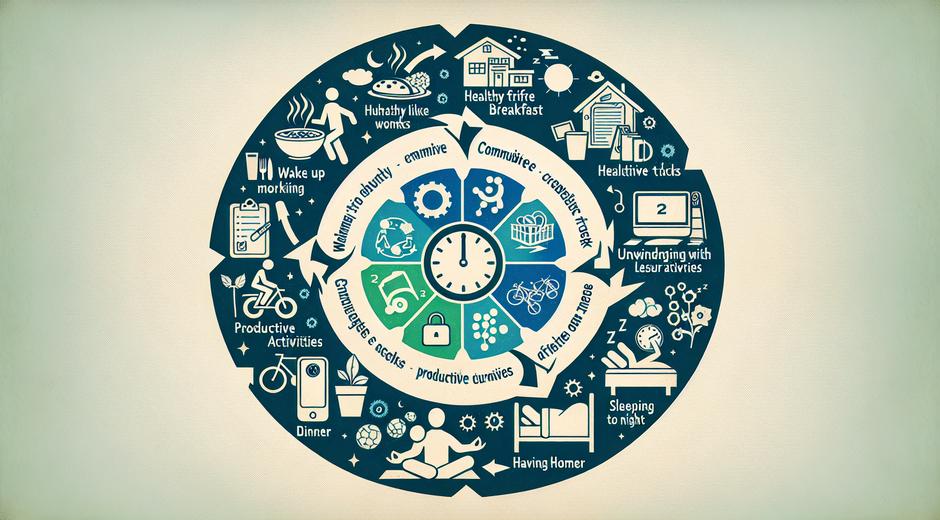


Daily Structure That Helps Families Thrive
Creating a consistent Daily Structure can transform hectic mornings into calm starts and chaotic evenings into peaceful wind downs. Whether you are caring for infants toddlers school age children or teenagers a clear routine supports emotional health learning and family connection. This guide shares practical strategies that work in real life and can be adapted for any household.
Why Daily Structure Matters
A good Daily Structure gives children a sense of predictability and safety. It reduces power struggles and helps kids learn responsibility. For adults a clear routine lowers stress and frees up time for activities that matter most. Research and common experience show that routines boost sleep quality improve eating habits and support academic and social skills. When families are intentional about their day to day flow everyone benefits.
Core Elements of an Effective Daily Structure
Your Daily Structure should include repeatable elements that cover key needs. These include wake time and sleep time consistent meal patterns dedicated learning or creative time active play and a calm evening routine. Here are core elements to consider:
- Predictable morning Start the day with a few consistent steps like a wake up time a hygiene routine and a simple breakfast that suits your family.
- Learning or focused time Build in blocks for school work reading or creative projects. Short frequent sessions often work better than one long block.
- Active time Include outdoor play exercise or movement breaks to help kids burn energy and concentrate better later.
- Family meals Eating together builds connection and models healthy habits.
- Evening wind down A predictable sequence helps children transition to sleep with less resistance.
How to Build a Flexible Daily Structure
Flexibility is the secret to success. A rigid plan can backfire when real life events occur. Create a simple framework that leaves room for change. Start by mapping the day into three or four broad blocks rather than minute by minute lists. For example morning afternoon and evening are easy to follow and easy to adjust. Within each block list two or three key goals rather than a long to do list.
Involve children in designing the structure. When kids help choose the order of tasks they are more likely to cooperate. Use visual schedules for younger children and shared digital calendars for older kids. When the family understands the plan everyone can self manage better.
Sample Daily Structure for Different Ages
Below are sample templates you can tailor for your home. Adjust times and activities to match your child and household needs.
- For toddlers Wake up hygiene breakfast play time nap lunch exploration family snack short activity evening bath story time bed
- For school age children Wake up breakfast travel to school or homeschool block focused homework snack active play family meal reading or creative time tech free wind down sleep
- For teenagers Flexible wake time school or study blocks exercise social time chores family meal focused hobby or job prep light screen time calm down sleep
Managing Screen Time Within Your Daily Structure
Screens are part of modern life and they can be used in meaningful ways. The key is to place screen time inside the Daily Structure rather than leaving it open ended. Decide on clear windows for entertainment gaming and social use and stick to those limits. Use content based choices and teach kids to balance passive consumption with active creation and physical play. For families who enjoy gaming as a way to connect or to learn about technology scheduling a short shared session can be a great reward and an opportunity to talk about online safety. For curated gaming news and guides that can help you choose age appropriate options visit GamingNewsHead.com.
Tips for Smooth Mornings and Evenings
Mornings and evenings set the tone for the whole day. A few consistent practices can make both parts of the day much easier.
- Prepare the night before Lay out clothes prepare lunches and check schedules to avoid morning scramble
- Keep morning tasks simple Use checklists for kids and offer gentle choices to build autonomy
- Create a calming evening ritual Include quiet reading dim lights and predictable cues for sleep
- Limit heavy stimulation close to bedtime Avoid intense screen games loud activities or large meals right before sleep
Building Habits That Last
Habits form over time. Start small and celebrate progress. Focus on consistency rather than perfection. Use positive reinforcement instead of punishment to encourage desired behaviors. When children understand the reason for routines they are more likely to adopt them. Explain how the Daily Structure helps with sleep concentration and how it leaves more free time for hobbies and play.
How to Adjust When Life Gets Busy
Some days will not look like the plan and that is fine. When schedules get tight prioritise essentials like sleep nutrition and safety. Simplify the plan to core activities and postpone extras. Keep communication open so everyone knows what to expect. Use backup strategies such as pre packed meals and screen free calm activities for unexpected delays. The aim is to maintain the rhythm of the day even when details change.
Working Parents and Shared Care
Coordinating Daily Structure across households and caregivers requires communication. Share your family framework with grandparents babysitters and child care providers. A short summary note with wake times meal times and key rules can make transitions smooth. If schedules differ focus on common anchors such as bed time and key meal times to keep consistency for the child.
Measuring Success
You will know your Daily Structure is working when mornings are calmer kids complete basic tasks with less prompting and evening routines lead to restful sleep. Look for changes in mood school performance and family connection. If stress levels rise revisit the plan and simplify. Regular check ins with your partner or with children help refine the routine so it fits evolving needs.
Where to Find More Tips and Resources
For more tailored ideas and practical checklists explore resources that focus on family routines child development and time management. Our site offers hands on tips and real life examples for busy families. If you want models templates and ongoing support check our homepage at coolparentingtips.com for fresh articles and printable guides.
Final Thoughts
Daily Structure is not about strict control. It is about creating space for calm connection and growth. With small consistent steps you can build a rhythm that supports learning healthy habits and stronger family bonds. Start with one change this week and grow from there. Over time your simple framework will become a powerful tool that makes family life more joyful and manageable.