

Toddler Tantrums
Toddler tantrums are one of the most common challenges parents face in the early years of child development. Understanding why tantrums happen and how to respond calmly can make a big difference in family life. This article explores the causes of toddler tantrums provides practical strategies for prevention and offers step by step responses you can use the next time your child melts down in public or at home.
Why toddler tantrums happen
Toddler tantrums are emotional eruptions that occur when a young child feels overwhelmed frustrated tired or unable to express needs in words. Between ages one and four children develop fast physically and mentally but their ability to regulate emotions and use language grows more slowly. That mismatch often leads to crying screaming hitting or breath holding as ways to get attention or release stress.
Common triggers for tantrums include hunger tiredness change in routine limits placed on behavior and sensory overload. Sometimes a simple request for a shirt that is a favorite toy being taken away or an unexpected no from an adult will spark a tantrum. Recognizing patterns helps parents anticipate and reduce the frequency of outbursts.
How to prepare to reduce tantrum frequency
Preventing tantrums often starts with daily routines. Toddlers feel safer and more content when sleep meals play and quiet time follow a predictable pattern. Healthy habits for sleep and nutrition are core building blocks. A well fed well rested child is more able to manage frustration.
Another effective tool is clear consistent boundaries. When limits are explained calmly and enforced with warmth children learn what to expect. Use simple short phrases and give advance notice before transitions. For example let your child know when play time will end and offer a count down. This reduces surprise which can otherwise trigger a meltdown.
Immediate steps to handle a tantrum
When a tantrum begins remain calm. Your reaction matters more than many parents realize. If you show anger or panic the child may escalate to match your energy. Instead take a breath speak with a steady voice and use empathetic language such as I see you are upset I know you wanted that toy. Naming the feeling helps the child feel understood which lowers the intensity of the outburst.
If the tantrum involves unsafe behavior such as biting or hitting move the child gently away from objects or people that could be harmed. Offer a quiet safe spot where the child can calm down. Avoid giving in to unreasonable demands as that teaches tantrums work. At the same time avoid punitive actions that escalate fear or shame. After the child calms down reconnect with a hug a simple game or a calm activity to repair relationship.
Age appropriate strategies
Young toddlers may need distraction to shift attention. Offer an alternative toy a song or a snack to redirect energy. For older toddlers short explanations and limited choices can empower them while maintaining limits. Instead of yes or no ask Do you want the red cup or the blue cup This small choice gives control without giving up the rule.
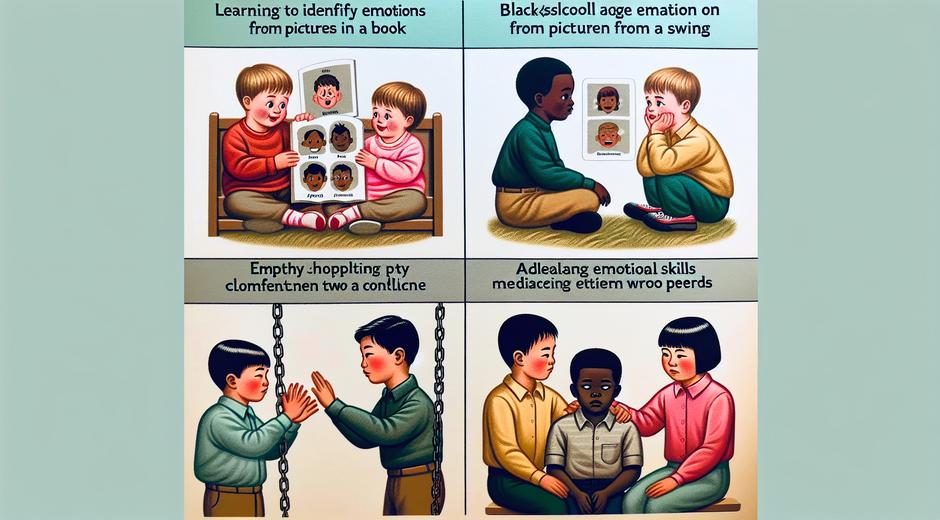
Teaching emotion words is powerful. Books games and simple daily talk build a vocabulary that helps a child express frustration before it becomes overwhelming. Practice phrases like I am angry or I am sad and show them how to take deep breaths or squeeze a soft toy when feelings start to bubble up.
When to use time out and when to use time in
Two common parental techniques are time out and time in. Time out removes the child from a situation for a brief calm period to reflect. Time in keeps the child close offering comfort and guidance. Use time out for repeated aggressive behavior that harms others and keep durations short and consistent. Use time in when the child needs help regulating feelings especially when tantrums are caused by fear exhaustion or confusion.
Both approaches work best when followed by a short talk about what happened and what to do next time. This reinforces learning and preserves connection between parent and child.
Practical tips for public outings
Tantrums in public can be stressful for parents. Preparation reduces risk. Bring favorite snacks a small toy and a simple distraction such as a finger game or a small book. Plan windows of time that match your child s usual routine to avoid shopping during nap time. If a tantrum does occur stay calm and if possible move to a quieter area. Speak softly and offer a choice that ends the interaction on a positive note. Many parents find it helpful to remind themselves that most people understand and that keeping calm helps their child more than public approval.
If you would like a library of helpful parenting articles and quick tips for handling common challenges visit coolparentingtips.com for more resources and easy to use guidance.
Long term strategies to reduce tantrum intensity
Over weeks and months focus on strengthening emotional skills. Role play common scenarios and model calm responses when you face frustration. Praise small successes like using words to request help or waiting patiently. Positive reinforcement encourages repeated good behavior more effectively than punishment alone.
Consistent routines predictable transitions emotion coaching and a secure relationship build resilience. When children feel safe and understood they are less likely to resort to dramatic behaviors to be noticed. Keep expectations aligned with developmental stage and celebrate progress even when it is small.
When to seek professional advice
Most toddler tantrums are normal and subside as self regulation and language skills improve. Seek guidance when outbursts are extremely frequent lasting beyond what you would expect for age or involving severe self harm or harm to others. If your child s tantrums are accompanied by regression in other areas sleep problems or feeding refusal consult your pediatrician or a child behavior specialist. Early support can make a significant difference in long term outcomes.
Tools and aids that can help
Simple tools can be useful. Picture charts that show emotions routine cards and calm down kits containing a few sensory items help toddlers learn tools to manage feeling. Some parents find guided programs and expert articles useful to build skills at home. For curated guides on parenting style and practical strategies consider checking an external resource that focuses on family life and child friendly tips at StyleRadarPoint.com.
Conclusion
Toddler tantrums are a natural part of early development and a chance for caregivers to teach emotion regulation and patience. With consistent routines empathetic responses clear boundaries and age appropriate tools most children outgrow intense tantrums. The key is to stay calm model the behavior you want to see and provide the structure a young child needs to feel safe. Use prevention strategies plan for public outings and build emotional vocabulary every day to reduce the number and severity of outbursts.
Parenting through toddler tantrums is demanding yet rewarding. With time and practice both you and your child will develop stronger communication and coping skills that set the stage for healthier behavior in coming years.