

Healthy Choices Every Parent Can Teach Their Children
Making Healthy Choices is one of the most powerful gifts a parent can give a child. When families adopt simple daily habits that support physical health and emotional balance children learn to value wellbeing for life. This article explores practical strategies parents can use at home to create routines and environments where making healthy choices is easy and natural. Along the way you will find actionable tips for meals sleep activity and emotional care that fit busy family life.
Why focus on Healthy Choices early
Children watch and copy the people around them. Parents who model Healthy Choices create an environment where smart decisions become normal behavior. Early exposure to healthy foods consistent bedtimes regular movement and calm problem solving builds strong foundations. Research shows habits formed in childhood often continue into adulthood so small changes now can lead to long term benefits for your child.
Build a family food culture that supports Healthy Choices
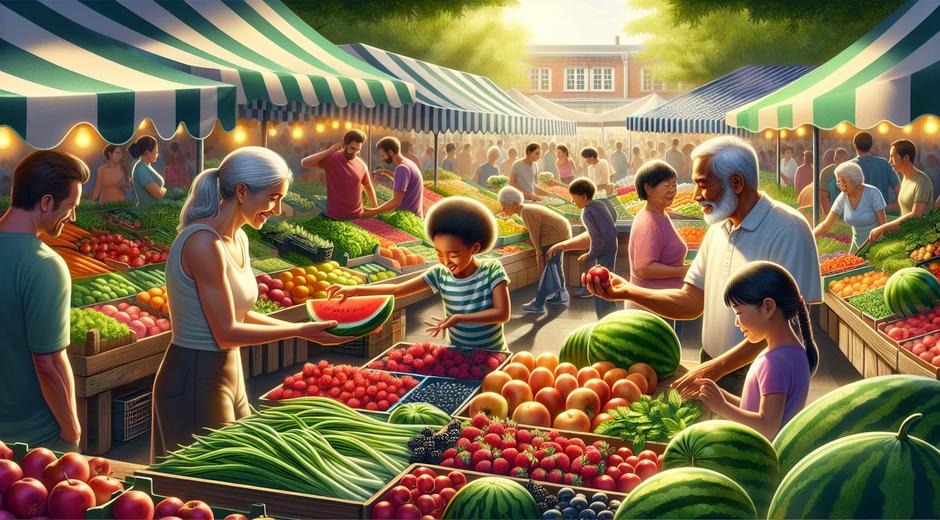
Food is central to family life and an ideal place to teach Healthy Choices. Start by planning diverse meals that include colorful vegetables whole grains lean proteins and fruit for snacks. Make grocery shopping a learning activity. Invite children to pick one new fruit or vegetable each week then prepare it together. When kids are involved in selection and preparation they are more likely to try new flavors and textures.
Offer balanced snacks that satisfy hunger and nutrition. Good options include yogurt with fruit a small handful of nuts whole grain crackers with cheese or veggie sticks with hummus. Avoid strict rules or labels that make foods forbidden. Instead talk about how different foods help the body for energy growth or focus. This positive approach makes Healthy Choices a fact of daily life rather than a source of conflict.
For inspiration with family friendly recipes and creative ways to add flavor to wholesome meals visit TasteFlavorBook.com which offers easy ideas to make nutritious dinners more appealing for young palates.
Create routines that make Healthy Choices automatic
Routines reduce decision fatigue and give children the structure they need to practice Healthy Choices consistently. Set predictable meal times encourage family meals at the table and establish calming bedtime rituals. A simple routine before sleep such as bath story and lights out helps children wind down and supports better sleep quality. Better sleep is tied to improved mood behavior and learning which makes it easier for kids to choose well during the day.
Use simple visual cues to help children follow routines. A small chart with pictures for morning tasks evening tasks and after school habits reinforces independence. Celebrate consistency rather than perfection so children feel confident making Healthy Choices on their own.
Encourage movement in ways children enjoy
Daily physical activity is a cornerstone of Healthy Choices. The goal for kids is not to follow intense workouts but to move often and enjoy movement. Make playtime active by choosing park visits family walks dance parties or backyard games. Try short bursts of activity between homework tasks to improve focus and reduce restlessness.
Limit long periods of sitting and encourage play that builds strength balance and coordination. When exercise is framed as fun it becomes a natural part of life instead of a chore. Parents who join their children for active play model Healthy Choices and create shared memories that reinforce an active lifestyle.
Use mindful media habits to support mental and physical health
Screen time and media use can shape attention sleep and social skills. Healthy Choices around media involve thoughtful limits consistent rules and intentional content. Set predictable times for screen use and create tech free zones such as mealtimes and bedrooms. Engage with children about the programs or games they enjoy so media becomes an opportunity for conversation rather than background noise.
Encourage hobbies that do not rely on screens such as reading crafts building blocks music and outdoor play. These alternatives foster creativity social skills and focus while giving children a wider range of ways to spend time productively.
Teach emotional skills that promote Healthy Choices
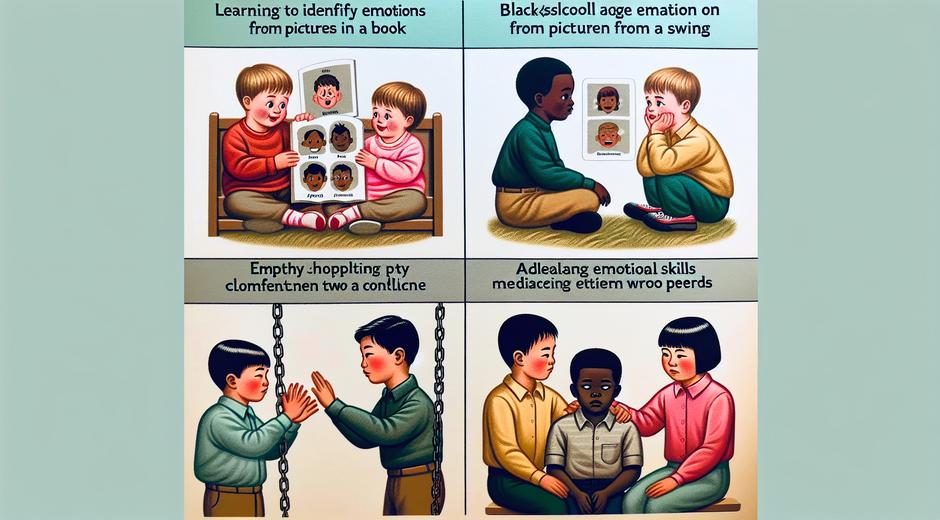
Making Healthy Choices is not only about food and movement. Emotional health plays a major role. Teach children to identify emotions name them and use simple tools to cope. Breathing exercises short walks or drawing feelings are practical strategies you can introduce together. When children learn to calm themselves they make better choices around food sleep and friendships.
Model calm responses to stress and use family problem solving to encourage teamwork. When children see adults manage stress constructively they learn to do the same. Praise effort when kids use coping skills rather than focusing only on outcomes to build confidence and long lasting Healthy Choices.
Make Healthy Choices accessible through home design
Small changes to your home environment can make Healthy Choices easier. Keep water bottles visible and refillable so hydration is a simple option. Place fruit in a bowl on the counter and store snacks that require preparation out of sight. Organize a small snack drawer with portion sized packs of nutritious items to avoid impulsive less healthy options.
Design a restful bedroom that supports sleep by using soft lighting comfortable bedding and a predictable bedtime routine. Create a dedicated place for active play equipment so children can access it quickly. When the environment supports the behavior you want to encourage children take Healthy Choices without effort.
Use positive language and avoid food as reward
Language shapes how children view food and their body. Use positive phrases that describe how choices make the body feel instead of moral language that labels foods as good or bad. Avoid using treats as rewards for behavior or academic performance because this creates strong emotional links between food and mood. Instead celebrate achievements with special time together new experiences or stickers that lead to a non food reward.
Plan for busy days with simple Healthy Choices
Busy schedules can make it harder to maintain Healthy Choices but planning helps. Batch cook simple meals on the weekend and keep a few emergency healthy options in the freezer. Pack easy lunches with protein and vegetables and carry small healthy snacks for outings. When families plan substitutions in advance it is easier to choose nutritious options during hectic times.
Teach older children to prepare simple meals and snacks. This builds life skills and reduces dependence on processed convenience foods. Involving children in planning and preparation also increases their interest in making Healthy Choices independently.
Where to find support and continued ideas
Parenting does not have to be done alone. Connect with community groups online or locally that share recipes activity ideas and emotional support for families trying to make Healthy Choices. For a broad selection of family friendly tips and resources you can explore coolparentingtips.com which includes easy guides for meals routines and parenting strategies designed for everyday life.
Final thoughts on creating a culture of Healthy Choices
Healthy Choices start with small consistent actions that are realistic for your family. Model the behaviors you want to see use positive language support emotional skills and design your home to encourage good habits. Celebrate progress and allow flexibility so making healthy choices feels sustainable and joyful. When parents set the tone children grow up with the tools they need to live healthy balanced lives.
Every family is unique so adapt these ideas to fit your values schedule and resources. The most important element is consistency and kindness toward yourself and your children as you build a culture of Healthy Choices together.