

Kids Self Control: Practical Strategies Parents Can Use Today
Why Kids Self Control Matters
Self control in children is a foundation for success in school and life. When kids learn to pause, pay attention, and choose a positive response instead of reacting impulsively they build skills that help with friendships learning and emotional health. Early development of self control supports better academic focus improved social interactions and resilience when challenges arise. Parents who intentionally teach and model self control give children tools that last into adulthood.
How Self Control Develops by Age
Understanding how self control grows helps parents set realistic expectations. Young toddlers often act on impulse because their brains are still developing. Preschoolers begin to practice pause and wait skills but need consistent guidance. Early school age children can learn basic strategies like counting or taking deep breaths. As children move into later elementary years they can handle more complex tasks such as planning and delaying gratification. Tailoring expectations to a child s age reduces frustration and increases success.
For a steady supply of practical activities and tips that match different ages visit coolparentingtips.com where you will find simple routines and games organized by stage.
Daily Routines that Build Kids Self Control
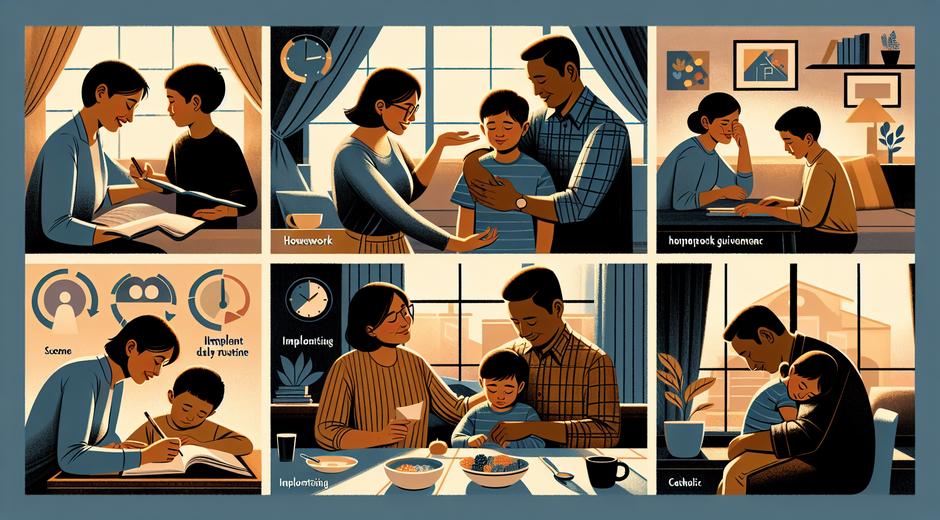
Routines are powerful because they reduce uncertainty and give children repeated practice in calm decision making. Mornings that follow a clear sequence help kids manage transitions to school without meltdowns. Bedtime routines that include quiet reading and reflection support emotional regulation. Family meals offer chances to practice waiting turns and listening. Simple routines that include predictable steps make it easier for children to internalize self control habits.
Consistency matters more than intensity. A short daily practice of a breathing game or a waiting activity yields better results than occasional long lessons. Use gentle reminders and celebrate small wins so kids feel competent.
Simple Games and Activities to Practice Self Control
Playful activities teach self control in a low pressure setting. Try these easy ideas at home or in the car.
– Freeze dance Use music and have children stop when the music pauses. It helps with impulse control and listening.
– Red light green light A classic way to practice stopping and starting on cue.
– Simon says Ask for actions only when you say the phrase to encourage careful listening.
– Waiting jar Have a visual timer such as sand or a clear jar with beads. Watching time pass helps with delayed gratification.
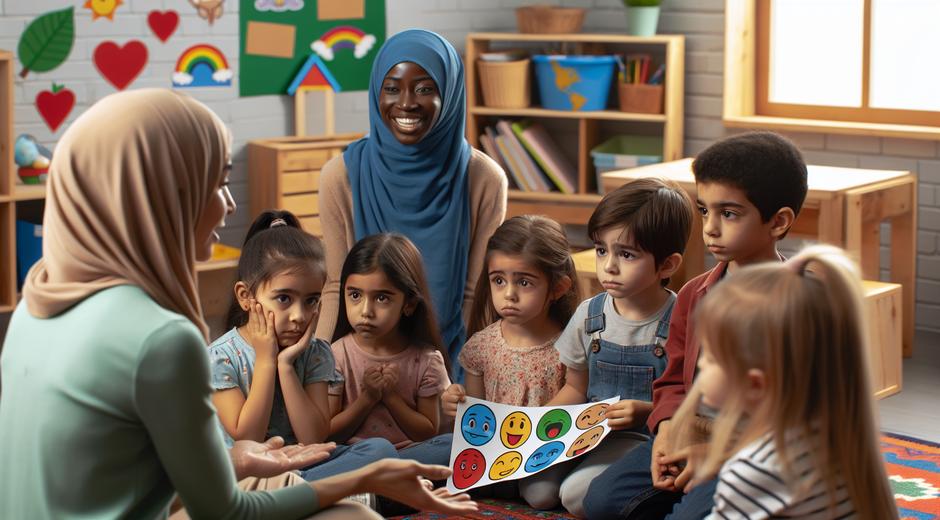
– Emotion charades Act out feelings and ask children to name coping strategies. This builds awareness and choice.
These games teach the core skill of noticing impulses and selecting a response.
Emotion Coaching and Language That Works
Self control is tied to emotion regulation. When parents help children name feelings and offer tools to cope children learn how to manage urges. Use simple phrases such as I can see you are angry or That looks frustrating. Offer two or three coping options like take deep breaths count to five or ask for a break. Giving a choice boosts a child s sense of control while teaching strategy use.
Avoid shaming or long lectures. Short empathetic statements followed by a calm suggestion are more effective. Over time praise the child s effort rather than outcome. Say I noticed you took deep breaths that was hard and you did it to grow persistence.
Modeling and Environment Design
Children learn more from what they see than what they hear. Show calm responses in everyday moments. Narrate your thinking out loud so kids hear the process of controlling impulse. For example say I am taking three deep breaths before I answer that email.
Design the environment to reduce overload. Remove visual clutter create quiet corners and set clear limits for screen time and toys. When choices are limited children practice self control more easily because fewer temptations exist. Structured play times blended with free play supports both discipline and creativity.
Positive Reinforcement and Natural Consequences
Reward systems teach that self control leads to positive results. Use small tangible rewards praise or extra privileges for consistent effort. Keep rewards immediate at first and then shift to recognizing internal motivation such as pride or increased independence.
Natural consequences are also powerful teachers. If a child loses a toy by acting impulsively allow a reasonable consequence to teach responsibility. Always discuss what happened and brainstorm better choices for next time.
Screen Time and Impulse Control
Screens can both teach and erode kids self control. Fast paced media and frequent device shifts reduce the brain s capacity to wait. Set clear screen rules and transition warnings such as in five minutes wrap up. Use apps and settings to limit autoplay and encourage content that promotes calm focus. Replace some screen time with interactive games that require turn taking or planning to strengthen self regulation.
When to Seek Extra Support
Most children improve with consistent practice and supportive parenting. If a child continues to struggle with intense meltdowns chronic impulsive actions or difficulty learning check ins with teachers and pediatricians help identify underlying concerns. Some children benefit from work with a child therapist or school based counselor who can teach structured self control techniques. You can find summaries of research and additional reading at Newspapersio.com which highlights articles on child development and education.
Practical Tips to Use Today
Keep new practices simple and doable. Try these quick starters.
– Start a five minute breathing ritual after school to reset.
– Use a visual timer for chores and waiting periods.
– Offer two choices rather than many options to reduce overwhelm.
– Teach one calming strategy at a time until it becomes a habit.
– Praise effort and the strategy not just success.
Small consistent steps compound into lasting change.
Tracking Progress and Celebrating Growth
Keep a journal of key wins such as fewer tantrums longer work periods or better sharing. Involve the child in tracking progress with stickers or a feelings chart. Celebrate milestones with a special family activity that reinforces that practice leads to rewards. Focus on growth rather than perfection so the child stays motivated.
Conclusion
Teaching kids self control is a journey that blends patience structure and creativity. Parents who use consistent routines model calm strategies and provide age appropriate practice help children build the ability to pause think and choose. Over time these skills support better learning relationships and emotional health. Start small pick one strategy and practice it consistently. The cumulative impact of daily micro practices will be a stronger calmer and more confident child.
For ongoing ideas and practical guides revisit the site that inspired these tips and keep building a toolkit that fits your family s rhythm.