

Raising Responsible Kids
Why Raising Responsible Kids Matters
Raising Responsible Kids is more than teaching chores and good manners. It is about helping children become reliable adults who can manage time solve problems and contribute to their family and community. When parents focus on responsibility from early childhood they lay the foundation for academic success stable relationships and healthy self esteem. Practical habits formed in childhood guide behavior in school at work and in personal life.
Start Early with Clear Expectations
Children respond well to structure and predictable routines. From toddler years through the teen years clear expectations help kids know what is expected and why it matters. Use simple language to explain tasks and reasons. For example say Please put your plate in the sink so the kitchen stays tidy instead of a vague instruction. When expectations are age appropriate and consistent children learn to meet them over time.
Set limits and follow through with natural consequences that teach rather than punish. If a child forgets a library book then a natural consequence is losing library privileges until the book is returned. Natural consequences make the lesson real while avoiding shame.
Teach Responsibility with Chores and Tasks
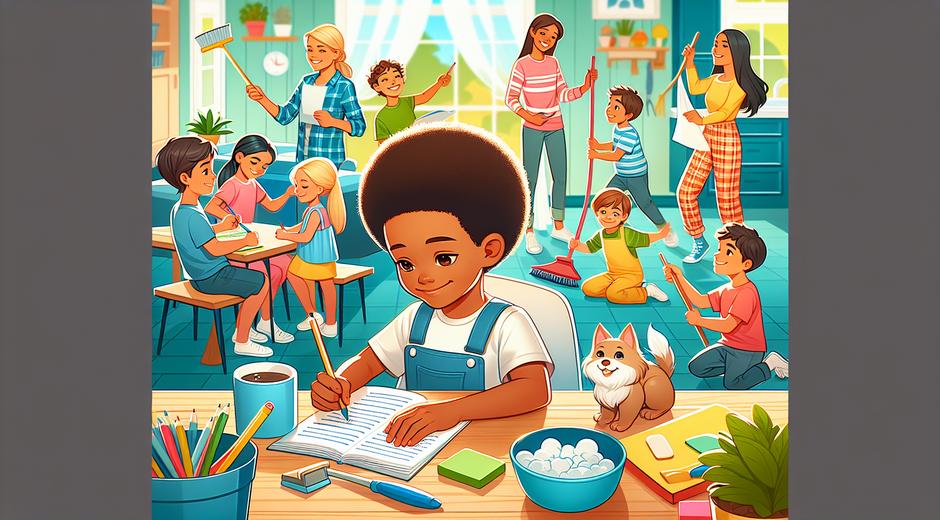
Assign chores that match your child age and ability. Chores teach skills time management and the value of contributing to family life. Start with small tasks like picking up toys or feeding a pet and gradually increase responsibilities. Let children experience the pride of completing a task well.
Make chores part of a routine so they become a habit not a battle. Use a visual chart or a simple list to help younger children track weekly tasks. For older children add school related responsibilities like organizing study time and preparing school materials.
Model Responsible Behavior
Kids watch and imitate their caregivers. Modeling responsible behavior is one of the strongest teaching tools. Show how you manage money keep commitments and handle setbacks. Talk aloud about your planning process or how you fix a mistake. When children see adults admit errors and make amends they learn accountability.
Consistency matters. If parents say one thing but do another children get mixed signals. Demonstrate punctuality honesty and steady work habits. Those real life lessons reinforce what you teach in words.
Use Positive Reinforcement and Natural Praise
Praise specific actions rather than offering general compliments. Instead of Great job say I noticed how you packed your backpack and put your homework in your bag. Specific praise reinforces the behavior and helps the child understand exactly what they did well.
Reward systems can be helpful when used wisely. Focus on intrinsic rewards such as pride and a sense of accomplishment rather than only offering material rewards. Encourage children to reflect on how completing a task made them feel.
Teach Decision Making and Problem Solving
Raising Responsible Kids requires giving children chances to make choices and face outcomes. Start with simple choices such as choosing between two outfits or selecting a snack. As children grow increase the complexity of decisions to school planning managing time and resolving conflicts with peers.
Teach a step by step approach to problem solving. Encourage children to identify the problem brainstorm solutions evaluate pros and cons and select a plan of action. Review the outcome together and discuss what can be learned for next time. This process builds critical thinking and confidence.
Set Up Family Meetings to Build Ownership
Regular family meetings provide a forum for planning chores resolving disputes and assigning household roles. These meetings give children voice and ownership which strengthens responsibility. Use this time to review family goals celebrate small wins and adjust responsibilities as needed.
Rotate leadership of the meeting so children practice organizing an agenda and speaking for the group. This builds leadership and cooperative skills which are central to responsible behavior.
Teach Money Management as a Responsibility Skill
Money lessons are practical ways to build responsibility. Introduce basic concepts like saving spending and giving. Offer an allowance tied to clear responsibilities and encourage children to budget for short term goals. For older children discuss banking credit and earning money through part time work.
Real life practice is more effective than lectures. If your child wants a toy help them plan how to save and track progress. That process teaches delayed gratification and planning.
Encourage Accountability Through Natural Consequences
When children are accountable they accept the link between action and result. Natural consequences such as missing playtime because homework was not done are powerful. Avoid punishments that are unrelated to the behavior. For example removing all screen time for a missed chore teaches little about completing chores.
Use reflection questions after a consequence such as What happened What could you do differently next time How can I help you succeed next time This approach fosters learning and growth.
Promote Empathy and Community Engagement
Responsible people consider others beyond themselves. Teach empathy by encouraging acts of kindness volunteer activities and community involvement. Discuss how actions affect other people and invite children to help with age appropriate community tasks.
Service oriented projects create perspective and motivation. Whether it is helping a neighbor carrying groceries or participating in a community clean up these experiences connect responsibility to a larger purpose.
Balance Freedom with Guidance as Kids Grow
As children show readiness give them more freedom and responsibility. This progressive approach builds trust and competence. For example allow a middle school child to manage a study schedule while offering check ins. With teens increase autonomy around curfew part time work and college planning while maintaining clear family rules.
Open communication is key. Discuss expectations negotiate responsibilities and revisit agreements. Teens who feel heard are more likely to accept responsibility.
Address Digital Responsibility
In a connected world digital responsibility is essential. Teach safe online behavior privacy skills and respectful communication. Set clear rules about time limits content sharing and interactions with peers. Model healthy device use by limiting your own screen time during family moments.
Encourage critical thinking about online information and consequences of digital actions. These lessons protect children and build long term responsibility.
Use Resources and Research to Support Your Plan
Good parenting resources and up to date research can guide your approach. For local tips and articles visit reliable family oriented websites. For example browse trusted parenting content and practical guides on coolparentingtips.com to find ideas tailored to each age and stage.
For background reading on child development and responsibility research consider reputable news and archive services that provide summaries of studies and expert interviews. One useful resource for finding relevant articles and historical context is Newspapersio.com which can help you locate past reporting on child development trends.
Common Challenges and How to Tackle Them
You will face setbacks. Children test limits forget tasks and resist chores. Stay calm and consistent. Revisit expectations adjust responsibilities and provide coaching. If a child struggles with executive function or attention consider small step tasks visual organizers and extra support from teachers or counselors.
Avoid over rescuing. Solving every problem for a child teaches dependence not responsibility. Offer guidance ask leading questions and let them try solutions.
Conclusion: Raising Responsible Kids is a Process
Raising Responsible Kids requires patience practice and persistence. Use consistent expectations model the behaviors you want to see and build routines that encourage ownership. Celebrate effort and teach problem solving empathy and accountability. Over time these habits become part of your child character and prepare them for adult life.
Start today with one small change such as assigning a simple weekly task and discussing the outcome. With steady effort you will see growth in independence and reliability that lasts a lifetime.