

Positive Parenting Tips: Practical Ways to Raise Resilient Happy Children
Positive Parenting Tips are more than a set of rules. They are a mindful approach that helps children grow into confident kind adults while making family life calmer and more joyful. If you are searching for reliable guidance that blends science and everyday practice visit coolparentingtips.com for more ideas and supporting articles. This guide will walk you through clear actions you can take today to improve connection discipline and emotional health in your home.
What Positive Parenting Means
Positive parenting focuses on building a strong bond between parent and child while guiding behavior with empathy and consistency. It favors encouragement over punishment and aims to teach life skills instead of simply stopping unwanted actions. Using Positive Parenting Tips means learning how to respond to feelings set clear limits and model respectful behavior so children learn how to handle stress solve problems and care for others.
Start With A Strong Emotional Connection
One of the most effective Positive Parenting Tips is to nurture a secure emotional connection. Spend undistracted time with your child each day. This can be reading a short story playing a quick game or sharing a snack together. The goal is not the activity itself but the feeling of being seen and valued. When children feel secure they are more likely to cooperate and take guidance calmly.
Use Positive Reinforcement Effectively
Positive reinforcement works better than frequent correction. Notice and name the specific behavior you want to see. Instead of saying good job say I noticed you put your toys away after playtime. That helps your child link the praise to the exact action and makes it more likely to happen again. Rewards do not have to be material. Extra time together privileges and sincere praise often have the greatest impact.
Set Clear Consistent Boundaries
Children need limits to feel safe. Clear consistent boundaries are a core part of Positive Parenting Tips. Explain rules in simple language and be predictable about consequences. When consequences are natural and related to the action children learn cause and effect more quickly. Consistency across caregivers matters. When rules change often children feel confused and test limits more frequently.
Practice Active Listening
Active listening helps you understand the reasons behind behavior and teaches children that their feelings matter. Get down to eye level mirror their feelings with phrases like It seems like you are upset because play ended. This approach calms the nervous system and opens space for problem solving. It also increases the chances children will use words to explain themselves instead of reacting with a tantrum.
Teach Emotion Skills
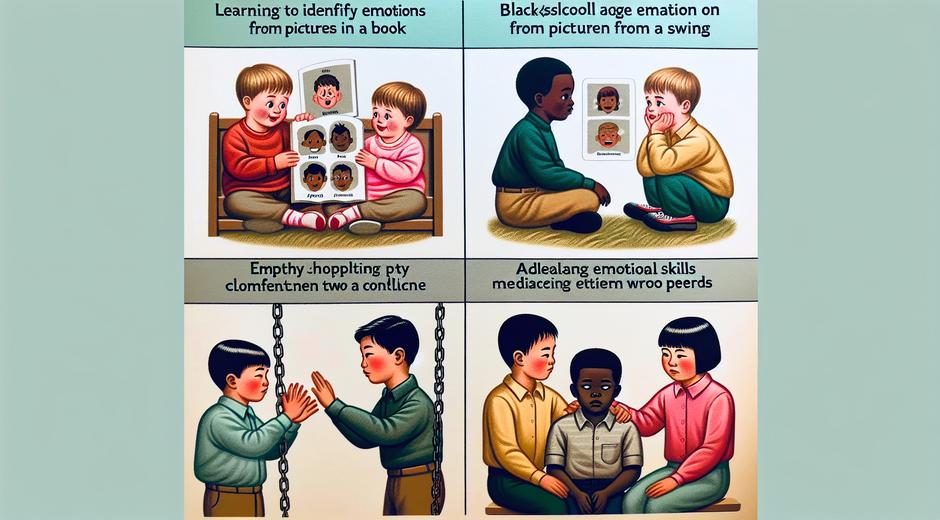
Helping children name manage and cope with big feelings is a powerful Positive Parenting Tip. Use simple labels for emotions so children build a rich emotional vocabulary. Teach breathing exercises and short grounding activities they can use independently. When children can express feelings in words they need less corrective attention and more guidance on next steps.
Model The Behavior You Want To See
Children learn more from what parents do than from what they say. Show empathy kindness and calm problem solving in your own interactions. If you make a mistake acknowledge it and show how you repair. That models responsibility. When children see adults manage stress they copy that strategy in their own lives.
Use Natural Consequences Instead Of Punishment
Natural consequences help learning without shaming. If a child forgets a water bottle at home they learn to check before leaving next time. When consequences are logical consistent and communicated in advance children are more likely to understand the lesson. Avoid punitive responses that focus on blame or humiliation. These can erode trust and lead to secretive behavior.
Encourage Independence And Problem Solving
Give children age appropriate choices to boost confidence and autonomy. Choices can be as simple as selecting which shirt to wear or which book to read. Encourage them to brainstorm solutions when problems arise and support them in testing those ideas. Problem solving practice builds resilience and reduces power struggles over small daily tasks.
Keep Routines That Support Emotional Health
Predictable routines help children regulate emotions and feel secure. Morning and bedtime routines create calm transitions and reduce daily stress. Mealtime rituals and regular family check ins support emotional connection. Routines are especially useful when life feels chaotic because they provide a reliable structure children can count on.
Limit Screen Time And Use Technology With Purpose
Digital devices are part of modern family life but mindful limits make them more beneficial. Set clear expectations about when and how screens are used and choose quality content that supports learning and creativity. Use technology together when possible so you can discuss themes values and real life consequences. These small choices help children develop healthy habits around screens.
Practice Self Care As A Parent
Positive Parenting Tips are easier to follow when parents are rested centered and emotionally available. Prioritize short breaks sleep and simple stress relief practices. Asking for help is a strength not a weakness. When you model self care children learn that taking care of oneself is normal and necessary.
Communicate With Schools And Caregivers
Consistent messaging across home school and care settings supports child progress. Share strategies with teachers and caregivers and ask about what works well during the day. Teamwork allows you to reinforce the same skills and avoid mixed messages that confuse a child. Positive partnerships with school help children feel supported and understood.
When Behavior Is Challenging Seek Support
Some behavior issues need extra help. If your child shows persistent aggression anxiety or withdrawal consider seeking professional guidance early. A coach counselor or pediatric specialist can offer tailored Positive Parenting Tips and tools you can use at home. Early support prevents patterns from becoming entrenched and helps the whole family move forward.
Final Thoughts And Next Steps
Implementing Positive Parenting Tips is a gradual process. Start with one small change and celebrate progress. Keep a short list of what works for your family and revisit it often. If you want research based strategies for attention focus and emotional balance consider resources that complement parenting work like mindfulness training and cognitive skills practice. A trusted partner in this area is FocusMindFlow.com which offers programs for focus and mental clarity that support both parents and children.
Positive parenting is not about perfection. It is about connection intention and consistent practice. Use these Positive Parenting Tips to create a home where learning kindness and resilience is part of daily life. Small steady changes lead to lasting rewards for your child and for your whole family.