

Positive Discipline Tools Every Parent Needs
Positive Discipline Tools are essential for parents who want to raise confident respectful children while maintaining a calm household. These tools focus on teaching skills rather than punishing mistakes. In this article we explore practical strategies that work for toddlers through teens. Use these ideas to replace yelling and power struggles with respect trust and cooperation. For more ideas and resources visit coolparentingtips.com where you will find a wide range of tips for everyday family life.
What Positive Discipline Tools Mean in Practice
At the heart of Positive Discipline Tools is the idea that children learn best when they feel connected and understood. Discipline is a teaching opportunity not a battle for control. Tools in this approach include clear expectations natural consequences consistent routines and positive reinforcement. These tools help children develop problem solving skills emotion management and social competence.
Key Principles Behind Effective Positive Discipline Tools
Understanding the underlying principles makes it easier to select the right tools for your family. The main concepts are respect for the child predictable boundaries teaching life skills and focusing on solutions rather than blame. When parents apply these principles they model the behavior they want to see. Children then internalize rules and learn to regulate themselves instead of relying on external control.
Practical Positive Discipline Tools You Can Start Using Today
Below are concrete techniques parents can adopt immediately. Each tool includes a short explanation and an example so you can visualize how it works in real life.
- Clear Rules and Simple Routines
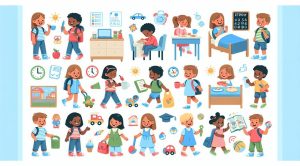
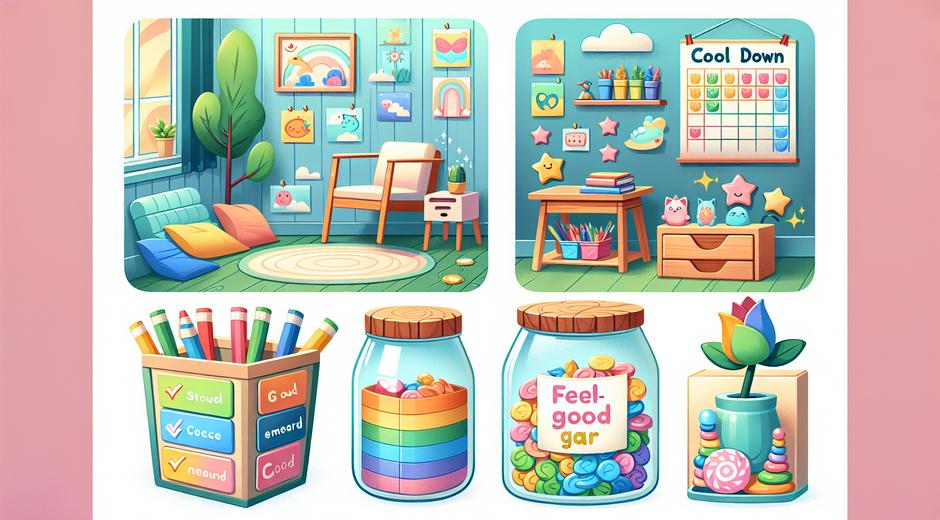
Children feel safer and behave better when they know what to expect. Create a few simple rules that are easy to remember. Pair rules with visual reminders for younger children and a short routine chart for older kids.
- Natural Consequences
Allowing natural consequences teaches cause and effect. If a child refuses to wear a coat they feel cold and learn to choose differently next time. Make sure consequences are safe and truly related to the behavior.
- Offering Choices
Choices give children a sense of control and reduce power struggles. Offer two acceptable options so the child can decide. For example you can ask do you want to brush your teeth now or after you pick a story.
- Positive Reinforcement
Praise effort and specific behaviors rather than vague compliments. Say I noticed how you put away your toys without being asked. That helps the child know exactly what to repeat.
- Problem Solving Together
Invite older children to help find solutions when conflicts arise. Ask what could we do differently next time This teaches responsibility and gives the child practice in thinking ahead.
- Active Listening and Emotion Coaching
Reflect the child s feelings to help them feel seen. You might say I can see you are upset because you wanted more play time. When feelings are named they become easier to manage.
- Family Meetings
Regular family meetings provide a forum to discuss problems and celebrate successes. Use this time to review rules set goals and brainstorm solutions together.
- Logical Consequences
Logical consequences are imposed by the parent but relate directly to the misbehavior. If a child colors on the wall they help clean it up. Make sure the consequence fits the child s ability to repair the situation.
How to Introduce Positive Discipline Tools Without Losing Your Cool
Transitioning to positive discipline takes consistency and patience. Start with one or two tools and practice them for a few weeks before adding more. Use short clear language and follow through calmly. If you find yourself slipping back into old habits pause take a deep breath and remind yourself of the long term goal which is teaching not punishing.
It helps to rehearse phrases you can use when emotions run high. For example using a calm voice say I will help you with your feelings once you are ready to use your words. This keeps the focus on connection and teaching.
Age Specific Tips for Using Positive Discipline Tools
Different ages need different approaches even when the underlying principle is the same. Below are suggestions for common age groups.
- Toddlers
Keep rules short and consistent. Offer limited choices and use distraction for small conflicts. Use praise for cooperative behavior and set up safe spaces where a child can calm down.
- Preschool and Early School Years
Use visual routine charts and simple logical consequences. Encourage problem solving with role play and offer labeled praise for effort and sharing.
- Preteens and Teens
Focus on reasoning natural consequences and collaborative problem solving. Give increasing responsibility and listen to their perspective while maintaining clear limits for safety and respect.
Common Challenges and How to Overcome Them
Parents often face obstacles when applying Positive Discipline Tools. Consistency is often the biggest challenge. When caregivers disagree on rules the child learns to play one against the other. Solve this by meeting privately to agree on the main rules and responses.
Another common issue is expecting instant change. Behavior improves gradually. Track progress by noting small wins and stay patient. When a child tests limits it may mean they are seeking connection. Offer attention for positive behavior and reduce attention for attention seeking misbehavior whenever it is safe to do so.
Measuring Success With Positive Discipline Tools
Success is not perfect behavior. It is increased cooperation stronger relationships and better emotional control. Keep an eye on how conflicts are resolved how quickly moods recover and how often family members can find solutions together. If those markers improve you are making progress even if setbacks happen.
Where to Learn More and Find Tools
There are many resources that complement your efforts. Look for books workshops and community groups that teach respectful parenting techniques. You might also find creative gift ideas and family friendly products that support bonding and shared activities at Romantichs.com. Use those tools to reinforce connection and make consistent practice feel more enjoyable for everyone.
Final Thoughts on Positive Discipline Tools
Positive Discipline Tools are a powerful way to raise responsible kind and emotionally resilient children. These tools require patience but yield long term benefits for family harmony and the child s development. Begin with simple changes remain consistent and celebrate small successes. Over time your home will become a place where mistakes turn into learning and where respect grows naturally.
Remember that every family is unique. Use these strategies as a guide and adapt them to your values routines and children s temperaments. With effort and persistence Positive Discipline Tools can transform daily struggles into meaningful teaching moments and stronger relationships that last a lifetime.