

Positive Behavior Modeling
Positive Behavior Modeling is a powerful parenting approach that uses conscious actions to teach children how to act in real life situations. When parents model calm conversation skills, respectful boundaries and responsible problem solving children absorb those patterns more quickly than through words alone. This article explains why modeling matters and offers practical steps parents can use today to shape behavior in lasting ways.
Why Positive Behavior Modeling Matters
Children learn by watching. From the first months of life they imitate faces voices and gestures. As they grow imitation becomes a core method for learning social rules and emotional regulation. Positive Behavior Modeling ensures that the behaviors children copy support their success at home at school and with friends. When adults intentionally show skills like patience active listening and honest apology they create a living curriculum that guides daily choices.
Key Benefits for Families
Using modeling on purpose brings many tangible outcomes. You will see better emotional control improved communication skills and fewer conflicts repeated over time. Sibling interactions often become less aggressive when parents demonstrate turn taking and fair solution methods. Children also develop stronger self esteem because they internalize healthy habits that help them succeed in group settings. Those gains translate into smoother routines and more predictable days for the whole family.
Core Principles of Effective Modeling
There are simple principles to make your actions teach the way you intend. First be consistent. Children notice when words and actions match and lose trust when they do not. Second use clear language to label the behavior you want them to notice. For example say I am taking deep breaths to stay calm while you watch instead of expecting them to guess your strategy. Third allow mistakes. When you model how to recover after an error you teach resilience. Fourth practice patience. New habits take time to form so small repeated examples matter more than rare grand gestures.
Practical Strategies Parents Can Use
Start by making a short list of three behaviors you want to encourage. Common choices include calm voice tone fair sharing and asking for help when needed. For each behavior create a daily moment to show it in action. You might narrate your choice when you model it. For instance I am going to ask for help so we can figure this out together. Narration helps children connect what they see with an idea they can use.
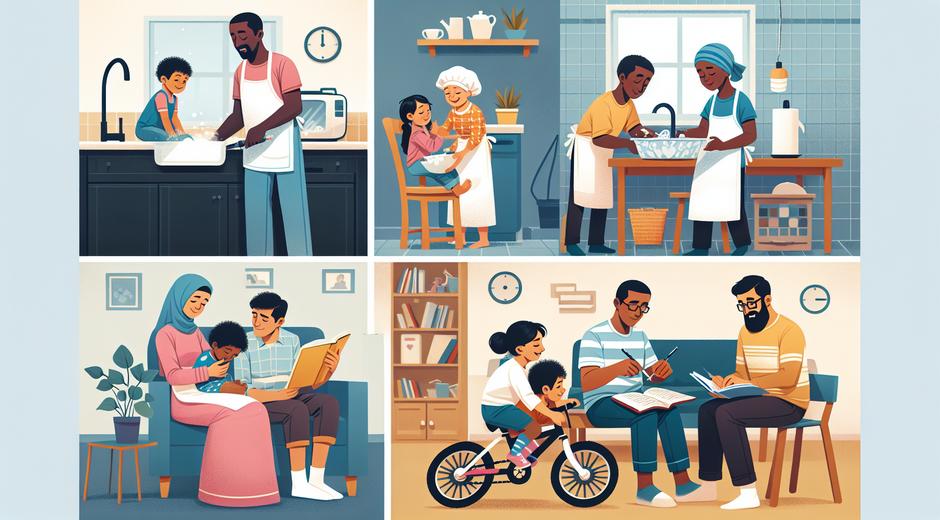
Use routine activities as teaching moments. Mealtime and bedtime provide repeated chances to show gratitude turn taking and gentle disagreement. Car rides create low stakes time to practice listening and waiting to speak. Chores let kids see cooperation and problem solving in motion.
Modeling Emotional Regulation
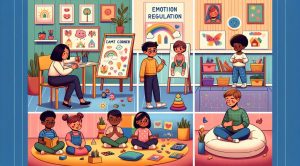
Emotional control is a top priority for many parents. To model regulation name your feeling show the coping step and then demonstrate it. Try this script: I feel frustrated right now so I am going to take three slow breaths and count to five. Doing this out loud helps children learn that feelings are manageable and that there are steps to follow. Over time they will try those same steps when they feel upset.
How to Use Positive Correction
Correction becomes much more effective when it follows a modeled example. Instead of scolding use a brief demonstration of the desired behavior followed by a simple expectation. For instance I am closing my hands when I take the toy from you now it is time to share. This method reduces power struggles and makes the path forward clear. Praise efforts not just results to reinforce the process.
Teaching Social Skills Through Modeling
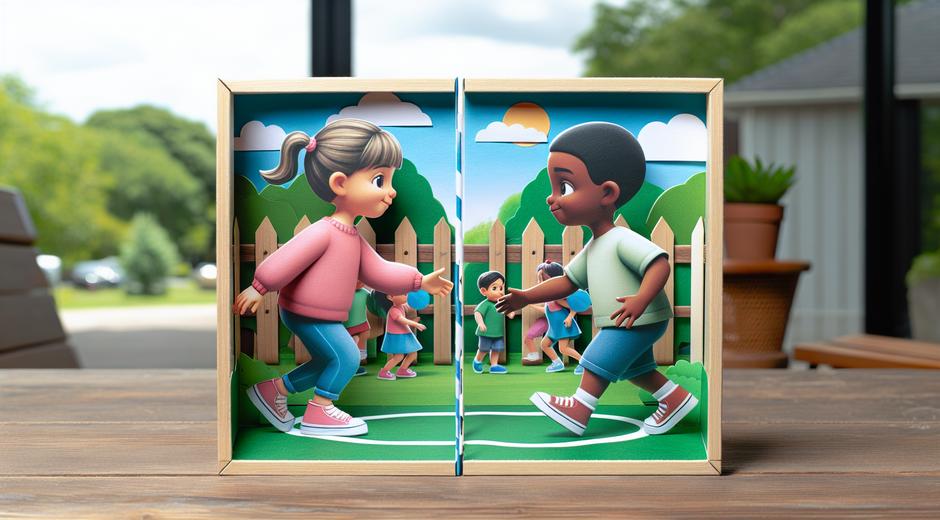
Social rules can be abstract for young minds. When adults show observable steps like making eye contact saying please and offering a turn children can copy a complete sequence rather than isolated words. Role play is another tool that makes modeling interactive. Act out common situations and invite children to try the same role. This practice builds confidence for real world encounters.
Using Media and Stories as Supplementary Models
Books shows and movies provide additional models of positive behavior especially when you watch or read together and talk about what you observe. Choose content that displays problem solving empathy and collaboration. Pause to ask questions like What did you notice about how that character solved the problem and How do you think they felt. For families that want curated visual examples one resource with films that highlight constructive social skills is Moviefil.com. Use those scenes to spark discussion and to plan how to try the same steps at home.
Consistency Without Perfection
It is important to aim for steady practice rather than a perfect record. Parents will have stressful days and children will test limits. When you make a mistake own it. Saying I raised my voice earlier and that was not the best choice models accountability. Showing how you repair a relationship after a mistake teaches repair skills that matter as much as the original behavior.
Measuring Progress and Adjusting
Set small clear goals and track them in a simple way. For example decide to practice modeling calm turns three times per day for two weeks and note what changes. Watch for reduced tantrums improved sharing or more cooperative mornings. If progress stalls reassess the demonstration method frequency and clarity. Sometimes adding a short conversation before sleep about the day helps cement lessons.
Involving Caregivers and Community
Children learn faster when multiple adults use the same model. Share the key behaviors with caregivers teachers and family members and ask them to try similar narration and steps. Consistent community expectations reinforce the patterns children notice. This also reduces mixed messages that can confuse a child learning multiple rules at once.
Quick Tips for Busy Parents
- Pick just two behaviors to model each week and focus on those
- Keep narration brief and concrete so it feels natural
- Use routines as reliable teaching opportunities
- Celebrate efforts with specific praise like I liked how you waited your turn
- Reflect together at bedtime about one thing you both did well
Where to Find More Ideas
For ongoing tips ideas and example scripts that fit a variety of family styles visit coolparentingtips.com and explore guides organized by age and situation. The right example at the right time can change a pattern and help a child build skills they will use for life.
Final Thoughts
Positive Behavior Modeling is practical scalable and effective. It relies on everyday moments and consistent choices more than on special programs or complex plans. By intentionally showing the behavior you want to grow narrating the steps and repairing when you slip you build a quiet teaching system that supports emotional growth social skills and family harmony. Start small pick a single skill to model today and watch how steady practice turns simple actions into lasting habits.