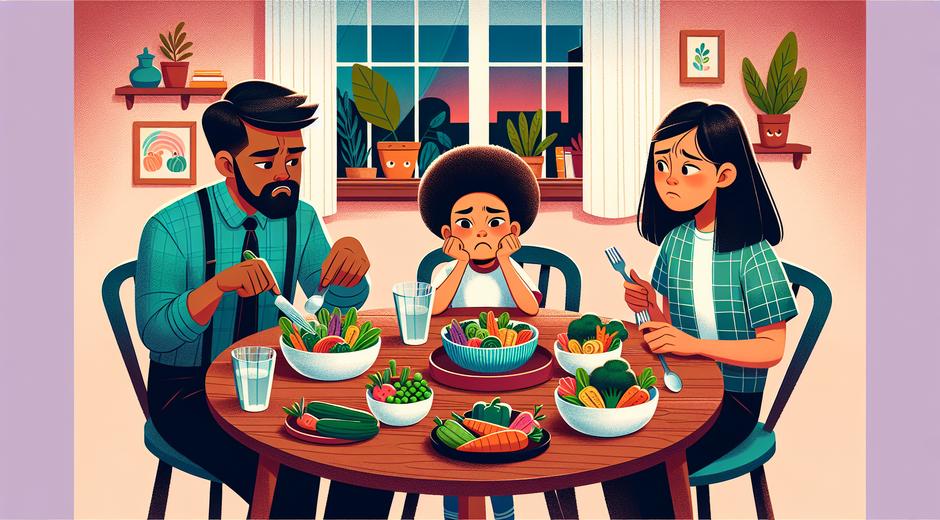


Picky Eating A Practical Guide for Parents
Picky Eating is one of the most common concerns parents face during early childhood. When a child refuses new foods or limits their diet to only a few favorites it can create stress at meal time and worry about nutrition. This article explains why Picky Eating happens and offers clear strategies parents can use to expand variety build confidence and reduce conflict. Use these ideas to create a calmer kitchen and help children develop healthy lifelong habits.
Understanding Picky Eating in Children
Picky Eating is a normal stage for many children. Between one year and school age children often test limits and notice sensory differences in smell taste texture and appearance. These reactions can make new foods feel risky to them. Biology plays a role too. Small children may be more sensitive to bitter flavors which are common in certain vegetables. Cultural routines family eating habits and even how a food is prepared influence acceptance. Understanding that Picky Eating is usually developmental helps parents respond with patience and strategy rather than frustration.
Common Triggers for Picky Eating
There are several frequent triggers that lead to repeated refusal of foods. Sensory sensitivity such as dislike of certain textures can make crunchy or slimy foods unappealing. Routine and control are important to young children so sudden changes at the table can produce resistance. Negative past experiences like being forced to eat a food can create avoidance. Finally inconsistent meal patterns or frequent snacking can reduce appetite for main meals and encourage narrow preferences.
How to Respond Practical Strategies That Work
Parent response matters more than perfect recipes. Try these proven approaches that encourage exploration without pressure.
- Create a calm predictable environment. Offer meals and snacks on a regular schedule. When children know when the next opportunity to eat will come they are less likely to resist.
- Offer small manageable portions. A few bite size pieces reduce overwhelm and invite tasting. Praise attempts more than outcomes so that trying earns positive attention.
- Use family style serving. Place bowls on the table and allow children to choose what and how much to serve themselves. This supports autonomy and reduces power struggles.
- Pair new foods with favorites. Place a small amount of a novel food next to a well liked item. Repeated neutral exposure without pressure increases familiarity over time.
- Model the behavior. Eat a variety of foods with enthusiasm. Kids copy adults so seeing caregivers enjoy a food often lowers resistance.
- Keep language positive. Replace pressure or threats with encouragement and curiosity. Ask questions like How does this feel in your mouth or What color do you notice first.
- Make tasting playful. Use sensory words like crunchy smooth zesty and soft. Games like taking one tiny bite together can make the experience feel safer.
Creative Food Presentation Ideas
How a food looks can make a big difference. Cutting fruits and vegetables into fun shapes using cookie cutters arranging colorful plates and mixing textures can catch interest. Serve new foods alongside dips or sauces that are already accepted. Rotate preparation methods so the same ingredient appears roasted steamed grilled or blended into a sauce. Variety in presentation can reveal a preparation a child prefers and open the door to more choices.
Meal Time Routines to Encourage Variety
Consistent routines reduce anxiety and teach expectations. Set a predictable start and end time for meals and keep the atmosphere free of distractions such as screens. Make family meals a priority so children learn that food is a social experience. Involve older children in simple tasks like washing or arranging items. When kids help prepare a dish they feel ownership and are more likely to taste it.
Healthy Snacking and Managing Appetite
Too many snacks too close to meal time can undermine appetite and reinforce narrow preferences. Choose snacks that support nutrition and avoid offering a bottle or sippy cup of milk or juice right before a meal. Offer water freely and schedule snacks a reasonable time before eating. Use snack time to introduce small servings of new foods rather than relying on packaged items. Over time consistent timing helps reset hunger cues and improves acceptance of main dishes.
Handling Resistance Without Escalation
Power struggles make Picky Eating worse. If a child refuses a food avoid pleading or scolding. Instead calmly remove the plate after the meal time ends and offer the next scheduled eating opportunity at the usual time. Focus on praise for any positive step such as smelling touching or tasting. Keep expectations realistic and celebrate progress in small steps. Consistency combined with compassion helps children feel secure rather than punished.
Nutritional Balance When Choices Are Limited
When a child truly limits their diet aim for nutritional balance across the day rather than perfect balance at each meal. Include protein sources dairy or fortified alternatives whole grains fruits and vegetables in various forms and healthy fats. Smoothies soups and purees can deliver nutrients in forms children may accept more readily. If short term diet lacks variety consider supplements after consulting a pediatrician or dietitian to ensure key vitamins and minerals are covered.
When to Seek Professional Help
Most children outgrow Picky Eating with time and consistent approach but there are signs that suggest professional support is needed. If a child loses weight or fails to gain as expected avoids whole categories of food such as all proteins or all vegetables or displays severe anxiety around eating consult your pediatrician. A referral to a pediatric dietitian an occupational therapist or a feeding specialist may be helpful. These professionals can assess for sensory issues swallowing difficulties or medical causes and provide targeted strategies.
For a wide range of supportive articles recipes and real life stories about feeding children visit coolparentingtips.com where we collect practical tips and expert guidance for families.
Tools and Resources That Can Help
Simple tools can encourage exploration such as child sized utensils portion plates and small bowls that feel manageable. Meal kits activity books and guided plans are available online and can provide structure and inspiration. If you want to find tools and supplies to make meal time easier look for reputable shops that specialize in family friendly items. One resource that many parents find useful is Fixolix.com which offers a selection of items for preparation presentation and storage that support gradual exposure to new foods.
Final Thoughts Managing Picky Eating with Confidence
Picky Eating can be stressful but it is often a phase that responds to patient consistent strategies. Focus on predictable routines offer variety in small steps involve children and model positive eating behavior. Keep mealtime calm celebrate small successes and seek professional input when growth or severe anxiety is present. With time most children expand their diet and develop a comfortable relationship with food. Use friendly routines gentle encouragement and creative presentation to support progress and reduce meal time stress.