

Parent Calm: A Practical Guide to Staying Calm and Confident as a Parent
Parent Calm is more than a catchy phrase. It is a mindset that helps parents meet daily challenges with clarity and patience. When a parent stays calm the family atmosphere improves, discipline becomes consistent and children learn how to manage feelings by watching a steady example. In this article you will find practical strategies to build Parent Calm, simple routines that reduce stress and ways to create space for your own needs so you can show up fully for your children.
Why Parent Calm Matters
Children mirror the emotional tone around them. If a parent reacts with high stress the child often responds with anxiety or acting out. When a parent models calmness children feel safer and their brains are better able to learn and cooperate. Research shows that predictable calm responses help regulate a child emotional system and build resilience. Parent Calm is also essential for problem solving because it allows a parent to think clearly and choose consequences that teach rather than punish.
Five Core Practices to Build Parent Calm
These five practices are easy to adopt and powerful when repeated daily. They work for parents of toddlers children and teens. Start small and be patient with your progress.
- Pause before you act. When a triggering moment happens take three deep breaths. This micro pause gives your brain moments to shift from reactivity to response. It is a small ritual that becomes automatic with repetition.
- Set predictable routines. Children thrive on routine. A consistent morning ritual mealtime rhythm and bedtime pattern reduce power struggles and energy spent on transitions.
- Use simple language. During conflict keep instructions short and specific. Instead of long lectures give one clear expectation and one consequence so the child can follow.
- Offer choices with limits. Choice reduces resistance. For example offer two acceptable options instead of asking an open ended question. Children feel empowered and you keep control of the outcome.
- Practice self care daily. Parent Calm is not selfish. Sleep nutrition movement and small pockets of rest recharge your emotional capacity. Even five minutes of focused breathing can shift your mood.
Creating a Calm Environment
A calm home environment supports Parent Calm. Decluttering communal spaces keeping toys organized and creating low stimulation zones for quiet time can prevent meltdowns. Consider a simple family board to display the day plan this reduces uncertainty for children and lowers parent stress.
Another tool is a family signal for when a parent needs a minute to regroup. It could be a soft light a brief note on the door or a hand signal meaning pause. Teaching children what the signal means and when it will end helps them learn respect for boundaries and increases feelings of safety.
Communicating Calmly During Conflict
Conflict is unavoidable. How you handle it determines whether it becomes a learning moment or a lasting memory. Use these steps to maintain Parent Calm during heated moments.
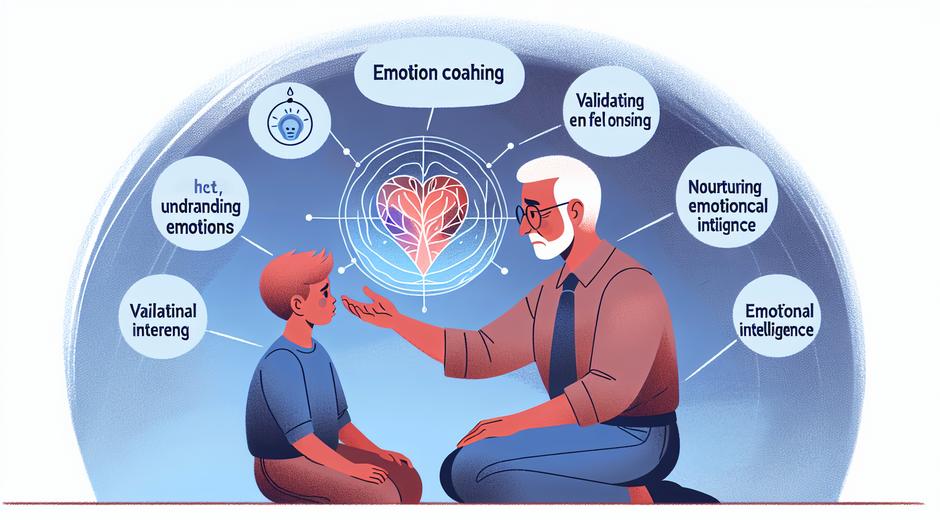
- Name the feeling. Say I notice you are upset. Labeling emotion helps children feel understood and reduces intensity.
- Offer empathy then set a limit. I know you are angry about this. We cannot hit. Hands are for gentle touch. This approach validates and teaches at the same time.
- Follow through calmly. If a consequence is needed carry it out with consistency and without anger. The calm execution of a consequence teaches reliability.
Routines That Support Parent Calm
Routines reduce friction. Consider small predictable rituals that anchor your day and create predictability for everyone. A short morning checklist a mid afternoon snack time and a calming bedtime routine all contribute to a smoother day. Create a family notice board or a simple list near the door so transitions require less verbal negotiation.
Mindset Shifts That Sustain Calm
Long term Parent Calm requires shifts in thinking. Try these mindset changes to transform stress into steady confidence.
- View mistakes as practice. Children are learning. Frustration is part of growth. When you interpret behavior as practice it is easier to respond with patience.
- Choose connection before correction. Reconnect through a hug a shared breath or a calm question before correcting behavior. This increases cooperation.
- Accept imperfect days. Some days will feel messy. Compassion for yourself maintains calm much better than harsh self judgement.
Tools to Quickly Reset Your Calm
When emotions are high quick resets are useful. Try a breathing pattern where you breathe in slowly for four counts hold for two counts and breathe out slowly for six counts. Another option is to ground yourself by naming five things you see four things you can touch three things you hear two things you can smell and one thing you can taste. These practices shift attention away from urgent emotions and into the present moment.
If you prefer guided audio there are many short practices you can follow. A quick walk around the block or a five minute cup of tea without screens can create a pause that returns you to Parent Calm.
When Stress Is About Money
Financial strain can erode calm. If money worries are affecting your parenting find practical support and information so you can make calm choices. For parent friendly articles on managing family budgets and planning for future goals consider visiting FinanceWorldHub.com where useful resources can help you reduce financial anxiety and protect family wellbeing.
Modeling Calm for Children
Children learn through imitation. When they see you handle frustration kindly they adopt similar strategies. Narrate your own coping in simple language for younger children. For example When I feel annoyed I take a deep breath so my head can think clearly. This teaches a practical skill and normalizes emotion regulation.
Encourage family practice where everyone shares one moment they handled a challenge calmly. Celebrating small successes builds confidence and reinforces Parent Calm as a family value.
Where to Find More Tips
If you are seeking ongoing ideas strategies and quick tips to support calm parenting visit our home resource hub for curated content and simple tools designed for busy caregivers. You will find routines printable lists and short guides aimed at building sustainable calm in everyday life at coolparentingtips.com.
Final Thoughts on Parent Calm
Parent Calm is cultivated not by perfection but by practice. Small consistent actions add up to a parenting style that promotes safety learning and long term wellbeing for children and parents alike. Start with one practice from this article and add another week by week. Notice how small shifts create more connection and less friction. Over time Parent Calm becomes an automatic response that supports your whole family.
Remember that seeking help does not mean failure. If stress feels overwhelming reach out to trusted friends professionals or community resources. The path to Parent Calm is a journey and asking for support is one step toward a healthier calmer family life.