

Managing School Pressure
Understanding the Sources of Pressure at School
Managing School Pressure begins with recognizing where the pressure comes from. For many students the main sources are academic demands social comparison and expectations from family and teachers. Extracurricular load and the constant need to perform well on exams add layers of stress that can build up quietly. When parents grasp these forces they can respond with targeted support rather than reactive advice.
Why Managing School Pressure Matters
When pressure becomes persistent it affects concentration sleep and emotional balance. Long term exposure can lead to avoidance of school decreased motivation and symptoms of anxiety. Early intervention in Managing School Pressure helps protect mental health academic progress and the ability to enjoy learning. Parents who learn to recognize early warning signs can create an environment where challenges are manageable and growth is possible.
Common Signs That a Child Is Feeling Overwhelmed
It helps to know the subtle and obvious signs that a child needs help managing school pressure. Changes in sleep patterns loss of appetite or frequent headaches may be physical signals. Behavioral signs include sudden irritability withdrawal from friends or tasks and declining grades. Emotional signs include tearfulness persistent worry and statements that express helplessness. Observing these cues is the first step in offering practical help.
Practical Strategies Parents Can Use Today
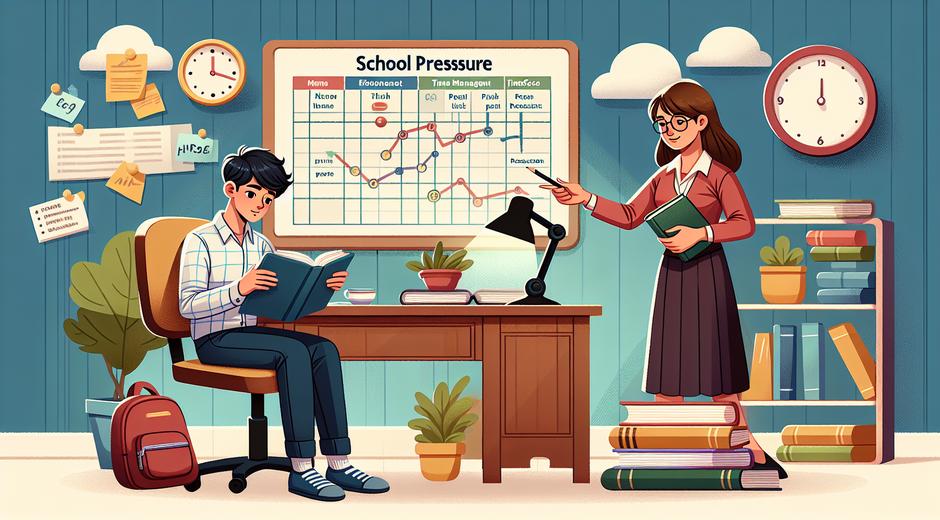
There are concrete steps parents can take to support children in Managing School Pressure. Start by creating an open routine where the child can share daily experiences without judgment. Break large projects into smaller tasks and celebrate each small success. Teach basic planning skills by using a simple written list for assignments and deadlines. Establish a calm evening routine that includes time for homework rest and a light activity that provides pleasure and relaxation.
For additional family tips and age specific ideas visit coolparentingtips.com where practical suggestions are organized by grade level and topic. That resource can help you tailor strategies to your child s personality and school environment while keeping guidance concise and realistic.
How to Build Academic Skills That Reduce Pressure
Improving study habits and time use reduces pressure by making tasks feel achievable. Encourage active learning methods such as summarizing in one s own words using flash cards or teaching a topic to a sibling. Teach time blocking so that homework time is balanced with short breaks. Encourage test taking practice to build confidence and reduce the surprise factor. Over time strengthened skills lead to less last minute cramming and lower stress.
Creating Healthy Daily Routines
Routines are powerful tools in Managing School Pressure. A predictable schedule gives children a sense of control. Include consistent wake up and bed times adequate sleep physical activity and regular meals. Limit screen time before bed and encourage calming activities like reading or light stretching. Make sure there is a comfortable workspace that is well lit and free of distractions when homework is in progress. These small structural supports make learning easier.
Communication Techniques That Work
How parents talk about school shapes a child s response to pressure. Use language that celebrates progress rather than absolute results. Ask open ended questions that invite detail rather than yes or no answers. For example ask What part of the assignment felt hard today What was one thing you learned instead of How was school today. Validate feelings by saying It makes sense you feel stressed about that project rather than minimizing concerns. This kind of supportive dialogue reduces the shame that often accompanies struggle and opens channels for problem solving.
Encouraging a Balanced Identity Beyond Grades
Children who tie their whole identity to grades are more vulnerable to pressure. Help them value curiosity effort kindness and creativity as part of success. Encourage hobbies and friendships outside of school work. Spotlight resilience by discussing times when persistence led to improvement. Teaching that effort matters more than perfect results fosters a growth mindset that softens the impact of setbacks.
Self care Tips for Parents and Students
Both children and parents benefit from intentional self care when Managing School Pressure. Parents model calm behavior by using breathing exercises and short walks to reset when they feel overwhelmed. Encourage students to learn simple grounding techniques like slow deep breaths or a five minute stretch break when stress spikes. Promote nutrition and hydration since brain function depends on balanced meals and regular water intake. For curated wellness items and guidance that support a calm study space check resources like BeautyUpNest.com while focusing on tools that promote relaxation and steady routines.
Working with Teachers and School Staff
Open communication with teachers is a key element in Managing School Pressure. Schedule a meeting early if consistent issues appear. Share observations about home routines and ask for input on class expectations. Collaborate on realistic goals and if needed request accommodations for workload adjustments or extended time. Most educators want students to thrive and will partner with parents to create practical plans that reduce excessive stress while maintaining learning goals.
When to Consider Professional Support
If stress affects daily functioning or leads to persistent anxiety or avoidance it may be time to consult a mental health professional. A school counselor psychologist or licensed therapist can offer coping strategies and assess whether further intervention is required. Early professional support can prevent problems from becoming more severe and equip the child and family with long term tools for managing pressure.
Long Term Habits That Reduce Future Pressure
Teaching children skills for Managing School Pressure now creates durable benefits. Focus on small daily habits such as consistent sleep time effective planning and open family communication. Celebrate progress and teach reflection by asking what worked and what can be improved after each assignment or test. Over time these habits become automatic and students gain confidence in their ability to manage challenges independently.
Conclusion
Managing School Pressure is a combination of awareness structure and compassionate communication. Parents can reduce stress by creating predictable routines building study skills and modeling calm responses. Use available resources to tailor strategies and do not hesitate to work with teachers or professionals when needed. With consistent support children learn to manage demands with resilience and enjoy the process of learning. For ongoing practical tips and age specific advice return to the family resource hub at the site linked above and explore tools that fit your family s unique rhythm.