

Learning Moments
Learning Moments are everyday chances for parents to turn ordinary events into steps in a child’s growth. These moments do not need complex plans or special gear. They are small interactions that shape skills like problem solving, emotional control, curiosity, and social care. This article explains how to spot Learning Moments, how to use them with intention, and how to build a household culture that values ongoing learning. If you want more quick ideas and practical guides visit coolparentingtips.com for a wide range of tips and easy to use checklists.
What are Learning Moments
At their core Learning Moments are situations children already face where adults can offer a short guide or a gentle question that helps the child reflect and learn. These are not long lessons. They are timely prompts that transform a scraped knee into a talk about courage, a sibling argument into a lesson about perspective, or a spilled cup into a chance to practice responsibility. The key is timing and tone. When parents keep calm, ask curious questions, and focus on effort and strategy parents encourage a growth mindset that lasts.
Why Learning Moments Matter
Repeated small interactions build habits faster than occasional long speeches. A child who receives regular feedback about the value of trying again will develop resilience. A child exposed to calm models for handling frustration will gain emotional regulation. Learning Moments help parents create a home that teaches how to think rather than what to think. Over time this approach boosts confidence, curiosity, and the willingness to tackle new challenges.
How to Spot Learning Moments
Learn to observe rather than react. Moments that can become learning opportunities include the following examples. When a child struggles with a puzzle, pause before stepping in. When a child complains about a friend, ask what that child might be feeling. If a child misses a goal in a game, praise effort and planning rather than talent. Even routine acts like packing a school bag offer chances to teach organization. Parents who look for these openings will find daily school room like chances for growth.
Simple Strategies for Turning Moments into Lessons
Use these simple strategies to make Learning Moments matter. First, ask open questions that invite thinking. Try phrases like What do you think would help next time or How did that feel to you. Second, highlight process and effort rather than fixed traits. Praise planning and trying. Third, model calm problem solving by narrating your own thinking when you face a challenge. Fourth, make space for mistakes by saying It is okay to make mistakes we can learn from them. Fifth, set small follow up steps so the child practices new skills soon after the moment.
Age Sensitive Examples
Young children learn best with concrete cues. For age three to five use simple choices to build decision making. Offer two suitable outfits and let the child choose. When a child completes a block tower encourage comments on how they balanced the blocks.
For elementary age children focus on self reflection. After a school lesson ask What was one thing that went well and one thing you would try differently. When chores are part of the routine use short checklists to build independence and pride.
For middle schoolers emphasize strategy and emotion management. Help them break big tasks into smaller steps and discuss how stress can change focus. For teens combine respectful listening with shared planning so they feel heard and supported while gaining agency.
Using Play and Everyday Tasks as Learning Moments
Play has enormous learning value. Board games teach turn taking and counting. Building toys teach planning and spatial thinking. Outdoor time teaches risk assessment and gross motor skills. Even cooking teaches measurement, sequencing, and safety. When play time ends with a short reflection parents add a memory anchor that helps the child remember the idea next time.
Household tasks also become lessons. Folding laundry can turn into a sorting activity. Grocery trips can teach budgeting and healthy food choices. Cleaning up after a craft helps the child practice responsibility. Small routines repeated often create competence and pride.
Turning Mistakes into Valuable Learning Moments
One of the most powerful shifts in parenting is to change the way adults respond to mistakes. Instead of immediate correction add curiosity. Ask What did you learn from this and What might you try next time. This approach reduces shame and increases skill building. Help the child to name the lesson and to make a tiny plan for how to apply the lesson soon after. A quick role play or a short written note can reinforce the point.
Emotional Learning Moments
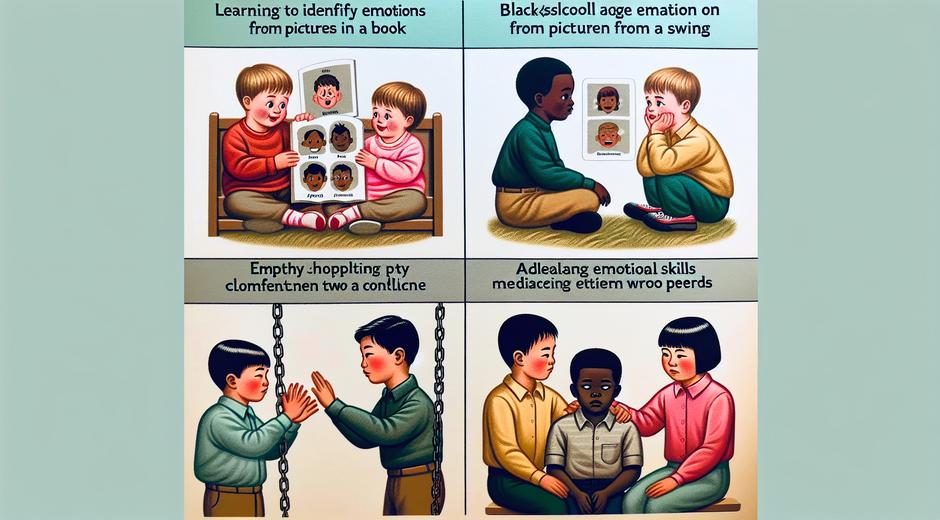
Emotional skills grow through short consistent practice. When a child loses a game acknowledge the feeling by saying I can see you are upset. Then guide them to a calming tool like deep breaths or a quiet walk. Teach words for feelings and then ask the child to pick which word fits. This language helps children share needs and form supportive relationships.
How to Keep Learning Moments Practical for Busy Parents
Busy family schedules make long lessons unrealistic. That is why Learning Moments work. They are quick and intentional. Keep a mental list of three go to questions you can ask in common situations. Carry a simple praise script that focuses on effort. Create a family rule that one learning reflection happens at dinner twice a week. Small systems like this keep teaching consistent without adding stress.
Tools and Resources that Support Learning Moments
There are many helpful tools that reinforce the habits you want at home. Interactive games, simple journals for reflection, and short audio stories that model problem solving can extend lessons beyond a single moment. For parents who want curated suggestions for age appropriate items and learning kits check recommended collections at Zoopora.com which offers practical items that pair well with intentional family time.
Tracking and Celebrating Progress
Tracking does not need to be complex. A small chart on the fridge that marks moments of courage or teamwork can create visible progress. Celebrate small wins with specific praise so the child links the behavior to the result. Over time children notice their own improvement which fuels further effort.
Common Challenges and How to Overcome Them
Sometimes parents worry they will correct too much or that every issue will turn into a teaching moment. Balance is important. Reserve gentle teaching for moments when the child is open to learning. Avoid lecturing. If the child resists try a softer approach later when emotions have cooled. Also be mindful of parental mood. When you are tired a short empathy statement may be more helpful than a lesson.
Final Tips for Creating a Home of Continuous Learning
Make Learning Moments part of your family culture by using consistent language, modeling curiosity, and celebrating small efforts. Keep tools handy like short question prompts and a simple reflection routine at dinner. Use everyday times as natural opportunities and avoid waiting for big events. With practice Learning Moments will become second nature and your child will gain a strong foundation for lifelong learning.
Remember that small intentional interactions add up. When parents notice, name, and guide the thinking behind actions they help children build flexible intelligence and emotional strength. For more tips on how to turn everyday events into growth opportunities visit coolparentingtips.com and explore proven strategies for families at every stage.