

Kids Stress Relief: Practical Strategies Parents Can Use Today
Stress affects children at every stage of life. From the start of formal education to changes in family life and social pressures children experience stress that can show up as changes in behavior mood sleep or appetite. This article explores proven approaches to Kids Stress Relief that parents can use at home to help children feel calmer more confident and better able to cope with daily demands.
Why Kids Stress Relief Matters
When stress is managed early children develop strong emotional skills that support school success healthy friendships and overall happiness. Unchecked stress can lead to ongoing anxiety sleep problems and declines in school performance. Learning simple Kids Stress Relief skills builds resilience and teaches children that they can handle challenges. Parents who model calm responses and provide practical tools create a safe environment where children can practice new coping skills.
Common Signs That a Child Needs Stress Relief
Knowing the signals helps parents intervene before patterns form. Watch for changes such as increased irritability withdrawal from activities trouble sleeping frequent stomach aches or headaches changes in appetite sudden declines in schoolwork or difficulty concentrating. Younger children may have more tantrums or cling to caregivers. Older children may show avoidance of social situations or sudden mood swings. If you notice persistent symptoms it is important to consult a pediatrician or mental health professional.
Daily Routines That Support Kids Stress Relief
Structure and predictability are powerful tools for calming the nervous system. Create a daily rhythm that includes consistent wake up and bed times regular meals family time and predictable homework routines. A calm bedtime ritual that includes quiet reading gentle conversation and a dim light helps the brain wind down. Make sure sleep is a priority. Poor sleep compounds stress and makes it harder for children to regulate emotions.
Simple Calming Techniques to Teach Children
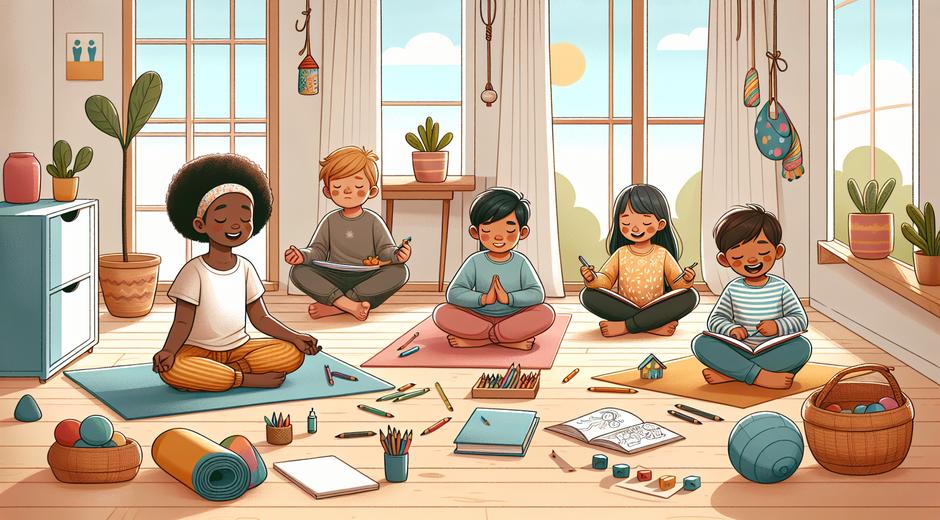
Teach breathing strategies and short mindfulness activities that children can use anywhere. A simple practice is to breathe in for four counts hold for two counts and breathe out for six counts. Use imagery such as imagining blowing bubbles or a sleepy balloon to make the exercise engaging for younger children. Progressive muscle relaxation involves tensing muscles for a few seconds then releasing. Short guided imagery sessions can help children create a safe place in their mind to go when they feel overwhelmed.
Using Play and Movement for Kids Stress Relief
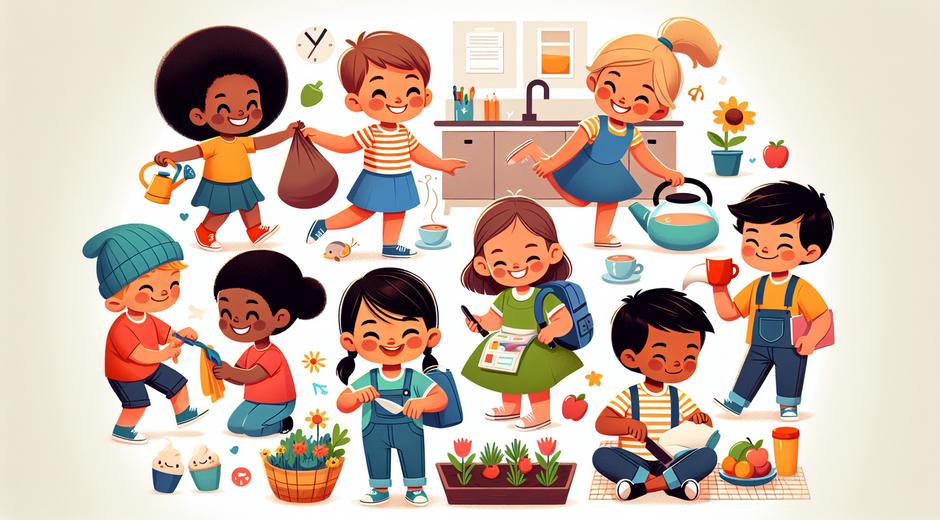
Play is the natural language of children and a powerful stress reliever. Encourage unstructured play time where children lead the activity. Physical activity supports mood regulation through natural brain chemicals that improve calm and focus. Plan daily outdoor play time or family walks. Simple movement breaks during homework can reset attention and reduce tension. Creative outlets like drawing music and role play let children express emotions in safe ways.
Healthy Eating Habits That Reduce Stress
Nutrition affects mood and ability to cope with stress. Aim for balanced meals that include protein complex carbohydrates fruits vegetables and healthy fats. Limit sugary snacks and excessive caffeinated drinks which can increase anxiety and disrupt sleep. Keep snacks predictable so children do not worry about access to food while at school. Hydration matters too. Encourage water intake throughout the day.
How to Talk With Children About Stress
Open calm conversations help children name feelings and learn solutions. Use age appropriate language and validate what the child is experiencing. Say things like I can see you feel upset about that or That sounds really hard. Ask gentle questions to understand the cause of stress and brainstorm coping options together. Role play responses to common stressors so children feel prepared. Praise small steps and progress to reinforce the use of new skills.
School Related Kids Stress Relief Strategies
School can be a major source of stress from tests to peer relationships. Create a consistent homework station with minimal clutter and good lighting. Break work into smaller blocks with clear goals and short breaks. Teach planning skills and use checklists for assignments so tasks feel more manageable. Communicate with teachers about concerns and seek adjustments when needed. If academic pressure is intense consider using external resources for study skill support such as StudySkillUP.com which offers tools to reduce school related stress and build confidence.
Mindful Technology Use to Reduce Stress
Screens can intensify stress especially close to bedtime. Set clear boundaries for device use and encourage tech free times such as during meals family activities and the hour before bed. Use parental controls to limit access when appropriate and help children curate a positive online space. Teach children to notice how certain content makes them feel and to step away when something causes anxiety or upset. Balance digital learning time with hands on activities that support focus and calm.
When to Seek Professional Help
Some signs signal the need for professional support. If stress causes severe changes in behavior persistent withdrawal intense fear of school or repeated physical complaints seek guidance from a pediatrician or licensed child therapist. Early intervention is effective and can prevent persistent anxiety. A professional can assess for underlying conditions teach targeted coping skills and provide support for the whole family.
Creating a Stress Friendly Home Culture
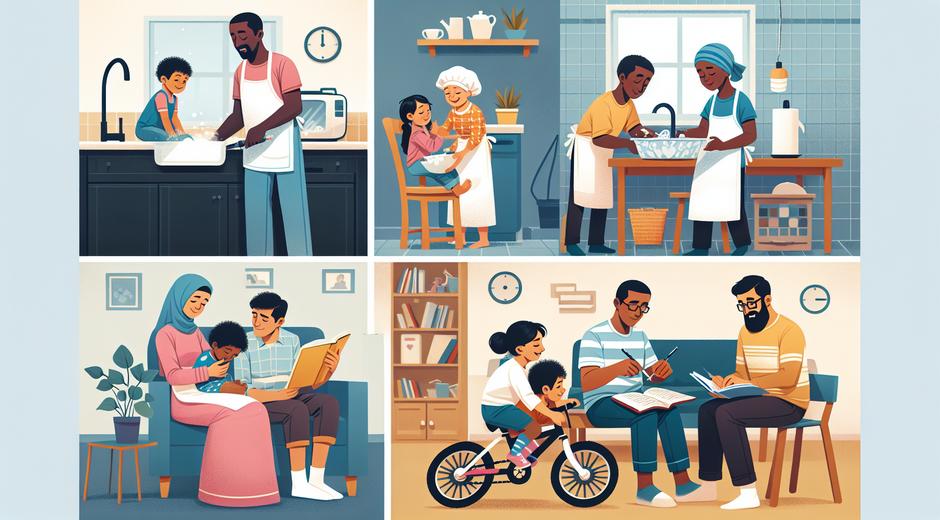
Create a home where emotions can be expressed and where coping tools are visible. Keep a calm corner with stress relief items such as soft pillows sensory toys and simple breathing prompts. Schedule family check ins where everyone can share highs and lows of the day. Model calm problem solving when you face stress so children learn adaptive responses. When parents show consistent caring and stable routines children gain a sense of safety which is the foundation of successful Kids Stress Relief.
Resources and Next Steps
Every family is unique so test different strategies and notice what helps your child the most. For a variety of tips across parenting topics and to learn more ways to support children visit coolparentingtips.com to find practical ideas that fit your family life. Start small pick one calming routine and practice it daily. Over time these small steps lead to big improvements in emotional health and resilience.
Kids Stress Relief is not a single solution it is a set of habits skills and supports that together build strength. With consistent routines healthy communication and the right tools children learn to handle stress with confidence and grace. Take action today by choosing one strategy from this list and practicing it with your child. Change happens with steady effort and caring guidance.