

Emotional Safety Kids: A Parent Guide to Nurturing Secure Young Hearts
Emotional Safety Kids is more than a phrase. It is a parenting goal that shapes how children feel inside their homes and classrooms. When kids feel emotionally safe they are more likely to explore new things speak up about worries learn resilience and build healthy relationships. This guide will walk you through practical steps that any caregiver can use to create a calm supportive environment where children thrive.
Why Emotional Safety Kids Matters
Emotional safety gives children the foundation they need to develop confidence and healthy coping skills. When children know they will be heard and cared for they take positive social risks ask for help when they need it and recover from setbacks faster. Lacking emotional safety can lead to anxiety withdrawal difficulty trusting others and trouble managing strong emotions. Creating emotional safety is a long term investment in a child future mental health school success and relationship skills.
Core Principles of Emotional Safety Kids
There are a few simple principles that guide everyday choices and interactions with children.
1. Consistency matters. Predictable routines clear expectations and steady reactions from adults help children feel secure.
2. Emotional availability matters. Being present listening and validating feelings shows a child they are important.
3. Boundaries with warmth matter. Clear limits delivered with empathy teach safety and respect without shaming.
4. Modeling emotional skill matters. Children learn how to name feelings calm down and solve problems by watching adults do the same.
These principles are not rules that require perfection. Small regular actions add up to a culture of safety that a child carries into friendships and school.
Practical Ways to Build Emotional Safety Kids Want
Here are hands on strategies you can start using today.
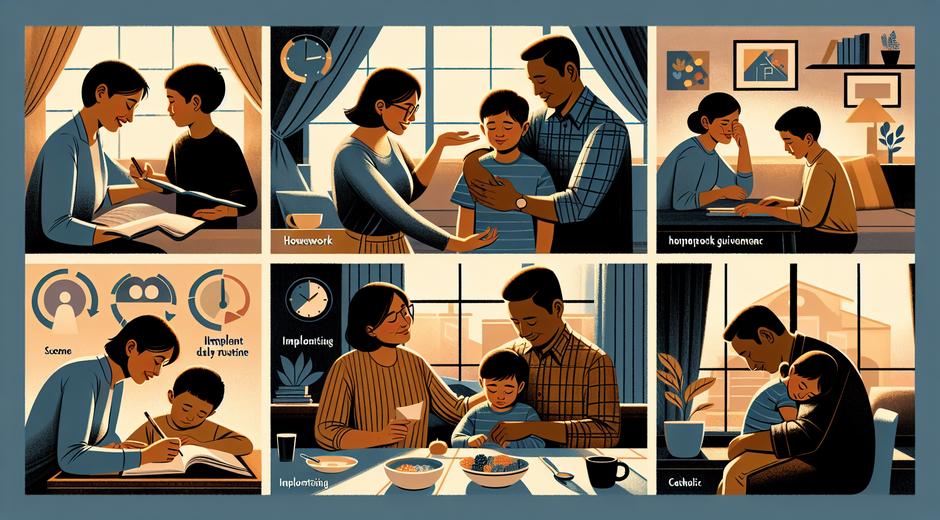
Create a routine that you stick with most days. Morning and bedtime routines that include time for connection reduce stress and help children know what to expect.
Practice active listening. Put away distractions look the child in the eye and repeat back what you heard. This simple step tells a child their feelings matter.
Use feeling words often. Name emotions for your child and for yourself. Saying I feel frustrated helps a child learn the vocabulary they need to express complex emotions later.
Offer choices within limits. Give two reasonable options and let the child choose. This supports independence while keeping safety and structure.
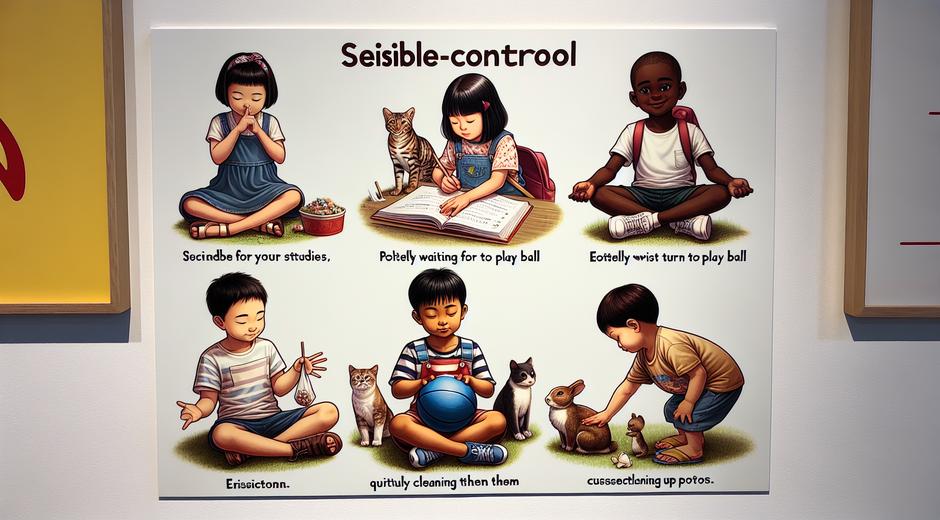
Teach calming skills. Practice breathing techniques counting or a quiet space for cooling off. Role play how to use these tools when everyone is calm.
Acknowledge effort not just success. Praise persistence curiosity and kindness. This builds self esteem and reduces fear of failure.
Be honest and age sensitive. Explain changes like a move a new school or family illness in simple clear terms that match their developmental level.
Repair after conflict. When you lose patience apologize and talk about what will change next time. Repair models accountability and restores trust.
These strategies apply across ages but the way you use them should match the child age and ability.
Emotion Coaching Steps for Parents
Emotion coaching is a proven approach for building emotional skill. Follow these steps to help your child manage feelings.
1. Notice the emotion. Pay attention to cues like body language tone of voice and behavior.
2. Validate without fixing. Say things like I see you are upset. That sounds hard. This helps a child feel understood.
3. Label the feeling. Use a simple word such as angry sad or scared to help the child learn a name for the feeling.
4. Offer comfort and limits. Provide support and if needed set gentle boundaries about safe behavior.
5. Help solve the problem. Ask questions to guide problem solving and offer options rather than commands.
Emotion coaching takes practice but it boosts a child ability to self regulate and show empathy.
Creating Emotional Safety Kids Need at School and Social Settings
Parents can partner with teachers and coaches to extend emotional safety beyond the home.
Communicate with caregivers about what helps your child stay calm and engaged. Share routines favorite calm down activities and any triggers to avoid.
Encourage safe risk taking such as trying a new sport joining a club or sharing an idea in class. Celebrate attempts even when the outcome is uncertain.
Coach social skills using play and rehearsal. Practice ways to join a game ask a peer to play and handle rejection.
If a school or teacher is not responsive speak calmly with them share observations and ask for a plan. A collaborative approach often leads to better outcomes for the child.
Supporting Emotional Safety Kids in the Digital Age
Technology plays a big role in a child life. Parents can balance screen time with emotional connection and safe use.
Set clear rules about when devices are used and where they are kept in the home. Make mealtime device free to preserve daily family connection.
Teach online boundaries and how to report uncomfortable messages or content. Help children understand privacy and respectful communication.
When you want tools for managing family digital life or helpful gadgets that support calm focus consider reliable resources and products that match your values. For ideas about technology that supports parenting check this helpful resource at Techtazz.com. Use those tools as supports not substitutes for parent presence.
Signs Your Child Feels Emotionally Safe
Look for these indicators that your efforts are working.
– The child expresses feelings and asks for help when needed.
– They explore new interests and show curiosity.
– They repair after conflict and apologize when they hurt someone.
– They show empathy for peers and family members.
– They bounce back after setbacks and keep trying.
If you do not see these signs regularly review routines reactions and opportunities for connection. Small changes often make a big difference.
When to Seek Professional Help
Sometimes a child may struggle despite parental best efforts. Consider consulting a pediatrician counselor or therapist if you notice persistent changes in sleep appetite mood or if behavior becomes unsafe. Early support can prevent issues from growing and gives families tools to change interaction patterns.
It is okay to ask for help. Reaching out is a sign of strength and care.
Resources and Next Steps
Making emotional safety a family priority starts with intention and one step at a time. Begin with listening more and reacting less. Build routines that include predictable connection and practice naming feelings daily.
For more practical tips insights and guides that support family connection visit our home page at coolparentingtips.com. You will find articles that cover bedtime routines parenting communication and tools to help kids feel secure.
Emotional Safety Kids is an ongoing process not a one time fix. With patience consistency and presence you can create a home where children feel safe to grow brave kind and resilient.