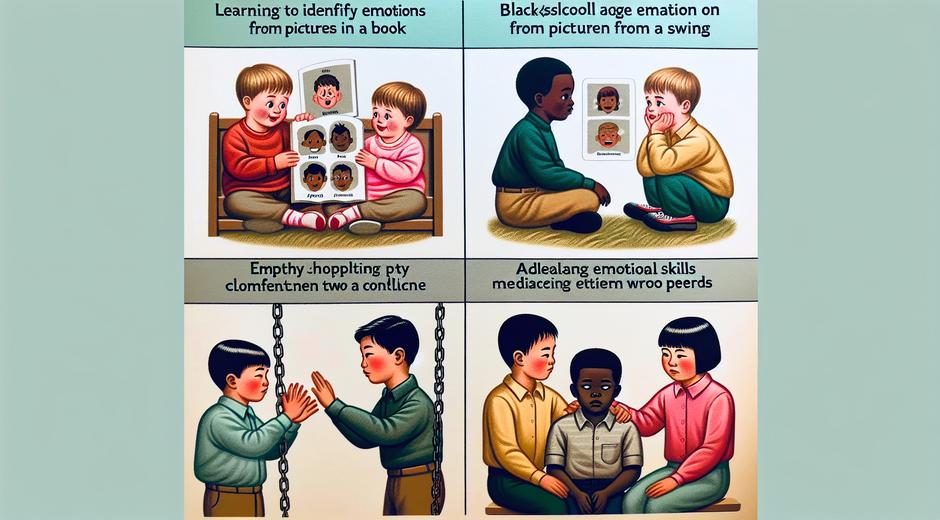


Child Emotional Skills
Building strong Child Emotional Skills is one of the most powerful gifts a parent can give. Emotional skills help a child manage feelings, build healthy relationships, and navigate challenges at school and in life. This article explains what those skills look like, why they matter, signs to watch for, and practical strategies parents can use every day to support emotional growth.
What Are Child Emotional Skills and Why They Matter
Child Emotional Skills include the ability to notice feelings, name emotions, calm down when upset, and solve social problems with others. These skills form the foundation for long term success in learning and social life. Children who develop strong emotional skills experience less anxiety and conflict. They are better able to focus in class and form stable friendships. Early support makes these skills easier to learn and more likely to last into adulthood.
Key Emotional Skills to Teach
Parents can focus on a few core skills that support broad development. These skills are simple to describe yet take time to master.
1. Emotional awareness. Help children notice body signals and link those feelings to words. When a child can say I am frustrated it becomes easier to manage the feeling. Simple prompts like I see your face is scrunched up can help a child begin to notice internal signals.
2. Emotional vocabulary. A growing word list allows a child to describe feelings with accuracy. Use words such as sad, excited, nervous, proud, scared, and calm. Avoid limiting vocabulary to only happy or angry.
3. Self soothing. Teach techniques that help a child calm down when upset. Deep breathing, counting slowly, or having a quiet corner with favorite books or toys can provide safe options for regulation.
4. Problem solving. Guide a child through small conflicts by asking what happened, how each person feels, and what might help them both feel better. This teaches perspective taking and cooperative thinking.
5. Empathy. Model and point out caring acts. When a parent notices a child comforting a friend or sharing, name the behavior and the likely feeling it created for the other child.
Everyday Routines That Build Emotional Skills
Consistent routines create opportunities for learning and provide safety that lets emotional skills emerge. Here are practical habits to use daily.
Morning check ins. Start the day with a short question such as How are you feeling today? or What is one thing you want to do well today? These simple prompts reinforce awareness and goal setting.
Emotion labeling at transitions. Before leaving for school or moving between activities, ask a child to name a feeling they might expect to face and one strategy they could use. This builds planning skills and reduces surprises.
Bedtime reflection. A nightly moment to talk about one thing that felt good and one thing that was hard helps children learn to process experience. Keep reflection brief and supportive so it feels safe and predictable.
Play based practice. Many emotional skills are learned during play. Role play, puppets, and board games can teach turn taking, winning and losing gracefully, and coping with disappointment.
How Parents Can Respond in Moments of Emotion
Children learn most when parents respond calmly and consistently. Use these steps when your child shows strong emotions.
First acknowledge the feeling. A sentence such as I see that you are upset because you spilled your snack makes the child feel heard. Validation lowers intensity and opens the door to learning.
Next offer a brief strategy. For example Would you like to take three deep breaths with me or sit with your cozy blanket? Offer limited choices so the child feels some control.
After the moment passes, teach a skill. When calm revisit the event and ask What helped you feel better? and What could we try next time? This reflection moves the child from reaction to planning.
Signs a Child Needs Extra Support
Not all children develop emotional skills at the same pace. Some signs that a child may need more help include frequent meltdowns that last a long time, persistent worry that interferes with sleep or school, trouble making friends, or extreme avoidance of activities. If you notice these patterns lasting several weeks it may be useful to consult a teacher or a child therapist for guidance.
Early intervention is effective. A few targeted sessions with a professional can teach a child new coping skills and show parents ways to practice these skills at home. Schools also often provide resources that are accessible and effective for many families.
Activities and Games to Strengthen Emotional Skills
Fun activities make practice feel natural and create shared memories. Here are ideas that require little time and no special equipment.
Emotion charades. Take turns acting out feelings while others guess the emotion. This builds recognition and non verbal reading skills.
Feelings journal. For older children a simple daily note about one emotion and what caused it encourages reflection and pattern recognition.
Calm box. Let a child decorate a small container with items that help them relax such as a soft toy, a book, or a picture of a favorite place. Having a ready kit reduces stress at key moments.
Resources for Parents
Learning more about emotional development helps parents choose smart strategies that fit their family. For ongoing tips and tools about raising emotionally healthy children visit coolparentingtips.com where you can find easy to use guides and practical checklists that match everyday life.
For style and life content that complements parenting ideas explore content from trusted external creators such as StyleRadarPoint.com which sometimes features creative activities and family friendly lifestyle recommendations that support emotional growth.
Measuring Progress and Staying Patient
Emotional growth is gradual. Look for steady improvement such as fewer long meltdowns, faster recovery after upset, or improved sharing and cooperation. Track small wins and praise effort rather than fixed traits. Saying You worked hard to calm down today teaches that skills can improve with practice.
Remember that setbacks are normal. Changes at school, new siblings, or sleep changes can temporarily reduce emotional coping. When regressions happen return to simple routines and increase warm predictable support. That combination helps most children regain steady progress.
Final Thoughts
Investing time in Child Emotional Skills pays off across learning, relationships, and long term wellbeing. Small daily practices and mindful responses during emotional moments create secure opportunities for a child to learn, practice, and grow. Use simple routines, model calm behavior, and offer guided practice through play and reflection. If concerns persist seek support from educators or mental health professionals. With steady attention children can build resilience and emotional confidence that serves them for life.