

Healthy Play: A Practical Guide for Parents Who Want Smarter Joy
Healthy Play is more than safe recreation. It is a pathway to strong bodies, curious minds and social skills that last a lifetime. As parents you can shape the play environment to build resilience creativity and cooperation. This article explains why Healthy Play matters and gives practical steps you can use right away to make play time richer and more meaningful for your child.
Why Healthy Play Matters for Growth
Play supports physical development cognitive growth and emotional balance. When children run climb build and imagine they learn motor coordination spatial reasoning cause and effect and self regulation. Healthy Play is also a way for children to practice social skills like sharing negotiation and empathy. Those moments of creative problem solving are the early training ground for future learning.
Research and everyday experience show that kids who have frequent free play feel more confident in new settings and test new ideas without fear. Parents who create time and space for Healthy Play see calmer weekdays and more cooperative family life. For a selection of tips and resources on family routines visit coolparentingtips.com to explore related articles and ideas.
Core Principles of Healthy Play
There are a few guiding principles that help parents choose activities and craft environments where Healthy Play can thrive.
Allow choice and control. Children learn best when they can choose materials and set the pace. Give options and let them lead.
Favor open ended materials. Items that can be used in many ways spark imagination. Think blocks fabric boxes and art supplies rather than toys that do only one action.
Include active play each day. Gross motor play helps sleep appetite and mood. Make room for running jumping and climbing when possible.
Balance guided activities with free play. Offer a few structured moments like a short craft or game then step back so children can continue with their own ideas.
Setting Up a Safe Stimulating Play Area
A dedicated play area helps establish boundaries and expectations. It does not need to be large. A basket of toys and a soft rug or mat can become a creative corner. Use low shelves so children can reach items independently. Rotate materials to keep interest high and clutter low.
Safety is part of Healthy Play. Check toys and materials for small parts if your child is young. Supervise messy activities and set simple rules for risky play like climbing in a backyard tree. Teach children how to assess risk and make choices so they build confidence while staying safe.
Outdoor Play: Nature as a Classroom
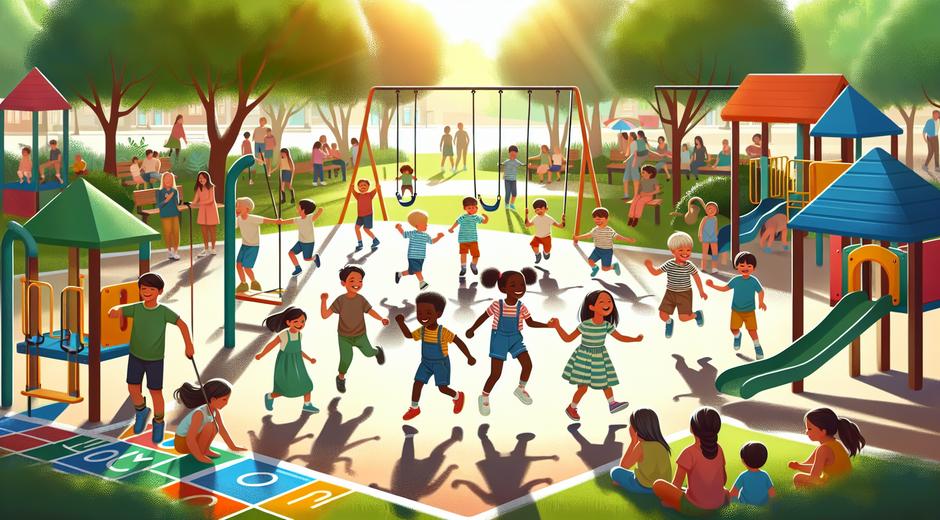
Outdoor play is especially powerful. Natural settings stimulate senses and creativity. Rocks sticks leaves and sand become props for exploration. Plan regular trips to parks community gardens and safe wild spaces. If you want curated activity packs for outings look at sites that offer ideas and supplies for exploration like Museatime.com which can help spark outdoor learning.
Rain or shine outdoor play can be adapted. Waterproof clothing makes puddle play a joy. Simple games like scavenger hunts encourage observation and vocabulary. Gardening is a slow paced science lesson where children learn about life cycles responsibility and patience.
Social Skills Through Cooperative Play
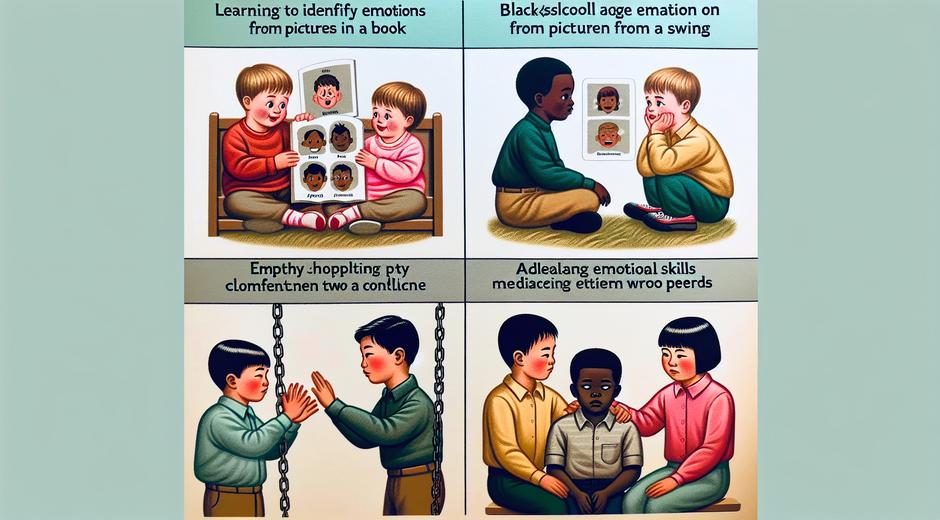
Healthy Play builds social competence. When children play together they practice listening sharing and conflict resolution. Adults can help by modeling language for feelings and helping name emotions during play. For example say I see you are upset because you want that truck then suggest options like taking turns using a timer or creating a new rule together.
Encourage group projects where each child has a role. Building a fort or preparing a pretend meal requires planning and negotiation. These moments teach teamwork and support leadership skills in a gentle way.
Play That Supports Cognitive Skills
Many everyday play activities strengthen thinking skills. Puzzles block building and sorting games encourage pattern recognition and spatial reasoning. Open ended art promotes creative expression and flexible thinking. Storytelling and role play build narrative skills and vocabulary.
Integrate learning into play rather than separating it. Count blocks as you stack them or compare sizes of leaves you find outdoors. Learning becomes more durable when it is embedded in joyful activity.
Managing Screen Time While Preserving Play Value
Digital media can be part of Healthy Play when used thoughtfully. Short interactive programs that invite participation are better than long passive viewing sessions. Use screens to extend curiosity by watching a short science clip then doing a hands on experiment together.
Set clear limits and balance digital time with active and creative play. Schedule media free windows during the day dedicated to messy art movement and social play. Children learn best when they experience multiple modes of engagement throughout the day.
Inclusive Play for All Abilities
Healthy Play should welcome children of all abilities. Offer sensory rich options and quiet corners for kids who need a break. Use materials that work well for different skill levels and encourage peer support. Small adaptations like stable seating or textured tools can make a big difference in participation.
Teach children to observe and ask how friends like to play then let them adapt games so everyone can join. Inclusive play fosters empathy and strengthens community bonds.
Everyday Healthy Play Activities You Can Start Today
Simple activities often have the biggest impact. Try building a challenge jar with ideas written on slips of paper. Include categories like active creative and outdoor. Pull one idea at the start of play time to give direction that still allows freedom.
Play sensory bins with rice sand or water and small scoops. Use blocks to build patterns then ask your child to create a mirror image. Host a family story time with props to act out favorite scenes. Create a backyard obstacle course using household items to promote gross motor control and planning.
How Parents Can Support Without Taking Over
One of the hardest parts of Healthy Play is balancing help with independence. Offer encouragement and occasional scaffolding but avoid completing tasks for children. Ask open ended questions like What would happen if you try it this way or How could we make this bigger. These prompts extend play and invite reflection.
Be present but not controlling. Your calm presence helps children take risks and return to their play when needed. Celebrate effort and creativity more than the final result to promote exploration.
Practical Tips for Routine and Consistency
Consistency makes Healthy Play part of daily life. Create a simple schedule that includes active creative and quiet play windows. Short predictable sessions are better than rare long ones. Children thrive on rhythms that balance activity rest and family time.
Prepare a go bag for travel with a few favorite play items and a small art kit. This keeps creative options available during waits and transitions. Small planning steps reduce stress and increase chances for spontaneous play.
Conclusion
Healthy Play is an essential ingredient in childhood development and family wellbeing. By prioritizing choice open ended materials outdoor time social cooperation and small routines you create a rich foundation for learning and joy. Remember that play does not require perfection. Small thoughtful changes to the home and schedule lead to big gains in confidence curiosity and connection. For more family friendly ideas and long term planning visit coolparentingtips.com and explore ways to make play time the heart of daily family life.