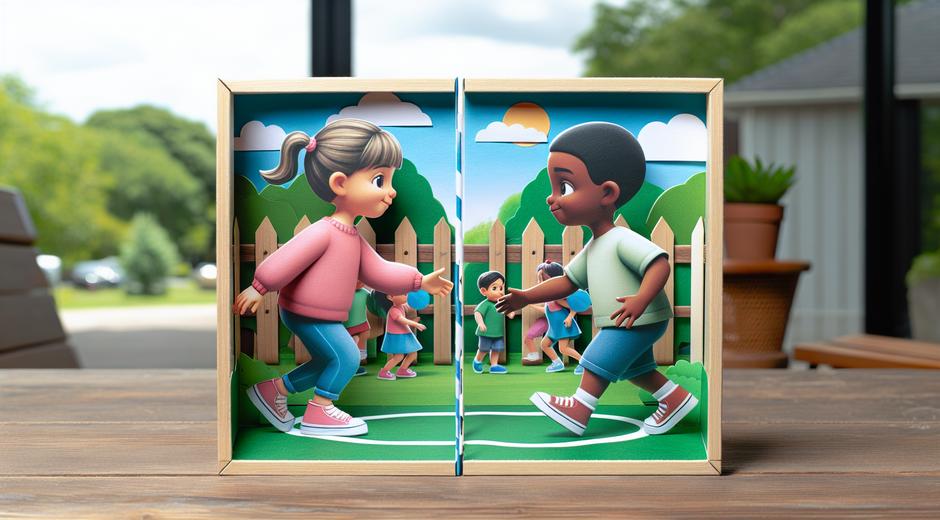


Healthy Boundaries Kids A Parent Guide
Raising children who respect others and value themselves starts with clear healthy boundaries kids can understand and follow. Boundaries teach respect safety and emotional regulation. This guide explains why healthy boundaries kids need are essential how to introduce them and how to reinforce them in everyday life. You will find practical steps age appropriate examples and communication scripts you can use right away.
Why Healthy Boundaries Kids Matter
Healthy boundaries kids learn early help them grow into confident and compassionate adults. Boundaries create structure which reduces power struggles and boosts cooperation. Children who know limits are more likely to feel safe at home and school. They also learn to respect other people personal space and feelings. When parents model clear boundaries children learn to set their own in friendships and intimate relationships later in life.
Core Principles of Setting Boundaries
Effective boundaries are simple consistent and explained with kindness. Use these core principles when you talk about healthy boundaries kids need:
- Clarity Make rules easy to understand and state them in positive terms.
- Consistency Apply the same rules across caregivers so messages do not conflict.
- Respect Model the behavior you expect from your child.
- Choice Give children appropriate options so they feel some control.
- Natural consequences Let consequences teach rather than punish.
Age by Age Guide to Healthy Boundaries Kids
Boundaries look different as children grow. Below are suggested expectations and steps by age group so you can match guidance to your child development stage.
Babies to Toddlers
Even very young children benefit from predictable routines and limits. Use simple language and consistent cues. For example explain gentle touch by saying please be gentle when showing affection. Use firm but calm redirection when limits are crossed. Predictable nap and meal schedules help toddlers feel secure which supports cooperation.
Preschool to Early School Years
Children this age need clear rules about safety and sharing. Role play simple scenarios like taking turns and asking for permission before taking someone else toy. Praise specific behavior to reinforce the lesson. Offer a choice between two acceptable options to build autonomy within a safe boundary.
Preteen Years
Preteens want more independence while still needing guidance. Talk about privacy respect and consent in age appropriate ways. Set screen time routines and bedroom privacy expectations. Encourage your preteen to help set family rules so they feel ownership. Let natural consequences teach responsibility while keeping safety non negotiable.
Teen Years
Teens test limits as they seek identity and independence. Maintain open communication and negotiate reasonable boundaries like curfew and social media rules. Explain why each rule matters and be willing to revisit rules as trust builds. Offer clear consequences for serious breaches while allowing smaller failures to serve as learning moments.
Practical Steps Parents Can Use Today
Here are hands on steps you can implement to strengthen healthy boundaries kids will respect:
- Define two to four core family rules and post them in a common area.
- Use short firm phrases when enforcing rules such as I need you to stop now or Please use your walking feet inside.
- Offer choices that keep control with you such as Do you want to brush teeth before or after reading time.
- Set predictable routines for morning and bedtime to reduce conflict.
- Use time in instead of time out for emotional coaching when needed.
- Model boundary setting in your relationships so children see how adults protect their needs respectfully.
Communication Scripts That Work
Simple scripts remove guesswork and help you stay calm. Use these when teaching healthy boundaries kids need:
- When a rule is broken Try This I see you are upset I will listen when you use calm words Please stop pushing now
- When your child needs space Try This I can give you five minutes to calm then we talk I care about what you feel
- When negotiating Try This I want you to be safe and to have fun What would be a responsible way to do that
Handling Common Challenges
Consistency is often the hardest part of maintaining healthy boundaries kids can trust. Use these strategies for common struggles:
- Power struggles Pause and breathe before responding. Offer a choice that preserves dignity rather than escalating a fight.
- Sibling conflict Intervene only to ensure safety otherwise guide children to problem solve by asking questions such as What do you want to happen now.
- Public meltdowns Have a plan for calm exit steps and practice with your child so they know the routine.
Technology Boundaries and Screen Time
Technology adds new boundary challenges. Start with clear rules about when where and how devices can be used. Keep charging stations outside bedrooms at night for younger children. Use screen time as earned time that follows responsibilities such as homework and chores. Discuss online privacy and the impact of sharing personal images. These lessons help children form long term boundaries around digital life.
Boundaries Beyond Your Home
Teaching healthy boundaries kids understand includes managing interactions with extended family teachers and peers. Communicate expectations to other caregivers and involve them in consistent enforcement. Teach your child polite ways to assert a boundary with a grandparent or family friend such as I like hugging less right now or I prefer a high five instead. This empowers children to protect their comfort while maintaining respect.
When to Seek Extra Support
Some children struggle with boundaries due to trauma sensory differences or emotional regulation challenges. If you notice frequent intense meltdowns persistent fear of rules or trouble forming friendships consider seeking support from a pediatrician counselor or school specialist. Early guidance can prevent long term issues and help tailor boundaries to your child unique needs.
Resources and Next Steps
Building healthy boundaries kids will respect is a process that rewards consistency and empathy. Start small pick one routine you will change this week and use the scripts above. For more family focused tips visit coolparentingtips.com where you will find articles and printable guides. If you want tools to support daily routines consider products and planners that can help your family stay on track such as those found at Fixolix.com.
Healthy boundaries kids learn today become the foundation of healthy relationships tomorrow. With clarity patience and consistent practice you can teach your child to respect others to protect their own space and to make choices that reflect their values. Start now and celebrate small wins along the way.