

Gentle Discipline A Loving Guide to Shaping Behavior
Gentle Discipline is a parenting approach that blends clear limits with warmth and respect. It focuses on teaching children how to make better choices rather than punishing them for mistakes. This style of guidance helps children develop self control emotional skills and moral reasoning while supporting a strong bond with caregivers. In this article you will find practical ideas research based reasoning and everyday scripts that make Gentle Discipline workable for busy families.
Why Gentle Discipline Works
Research and decades of experience with families show that children respond better to guidance that feels safe and predictable. Gentle Discipline reduces fear and shame and replaces those reactions with curiosity and learning. When adults stay calm and consistent children learn to trust limits. That trust becomes the foundation for real change in behavior.
Unlike punitive approaches that rely on threats or power struggles Gentle Discipline uses natural consequences clear explanations and supportive problem solving. These elements help children link actions to outcomes and build internal motivation to behave well. As a result you see fewer fights more cooperation and a calmer home environment.
Core Principles of Gentle Discipline
There are key principles that make Gentle Discipline effective. Keep these in mind as you practice the approach.
- Respectful communication Treat children with dignity and explain rules in a calm voice.
- Clear predictable limits Use consistent rules so children know what to expect.
- Teaching rather than punishing Focus on learning and repair instead of blame.
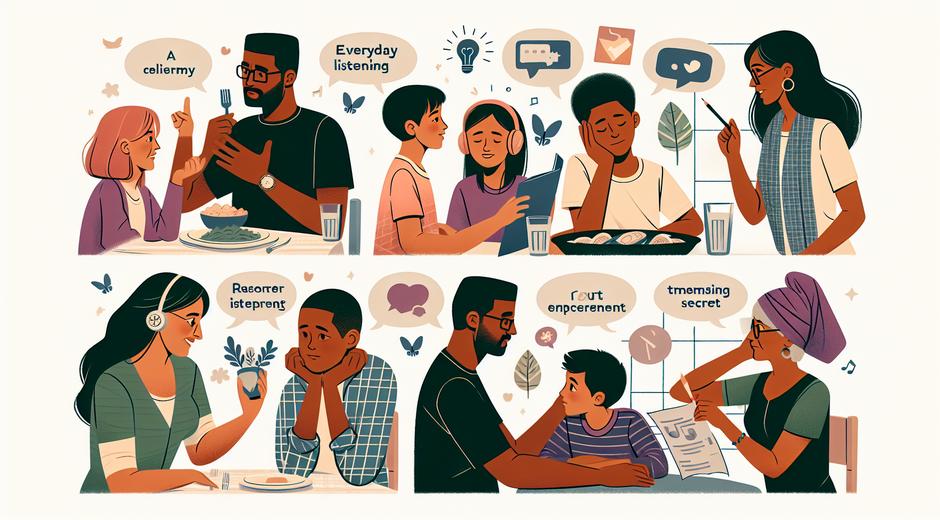
- Emotion coaching Help children name and manage their feelings before correcting behavior.
- Problem solving Involve children in finding solutions that are fair and realistic.
- Connection before correction Build a warm relationship so limits feel supportive not controlling.
Practical Strategies for Toddlers and Preschoolers
Young children need concrete guidance short reminders and lots of practice. For toddlers try these age appropriate strategies.
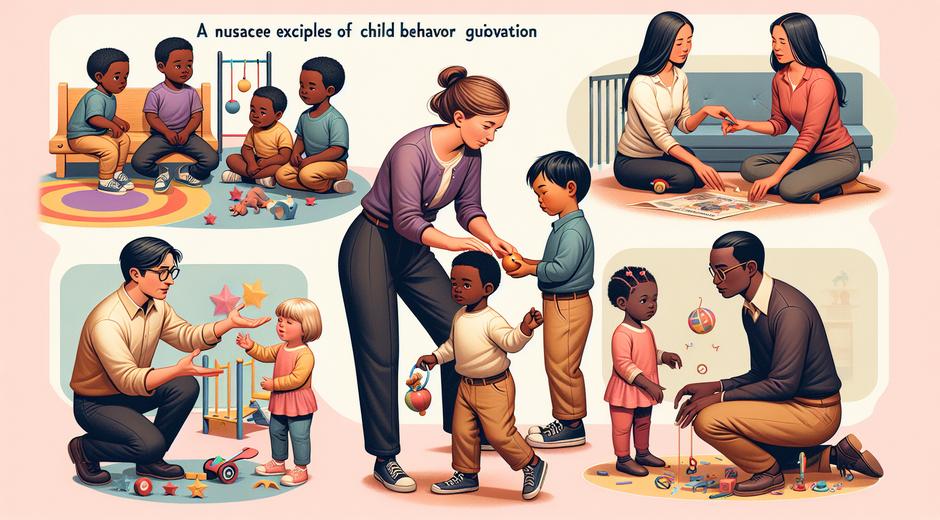
Use simple language and one instruction at a time. Offer choices that both lead to the same positive outcome. For example ask Do you want the blue cup or the red cup When a child pushes use gentle removal and say I will help you use gentle hands Then guide them in offering a sorry and a hug if needed. Use distraction and redirection to steer energy toward safe activities while you teach a new skill.
Consistent routines help children feel secure. Give gentle warnings before transitions like five minute warning followed by two minute warning. Celebrate small wins with specific praise such as I love how you used your soft hands that was kind.
Practical Strategies for School Age Children
Older children can understand reasons and take part in solutions. Use the following strategies to build responsibility and self regulation.
Explain rules and reasons in a calm private moment. Use natural consequences when possible such as if screen time is late the device goes away tomorrow. Help children create a simple plan to avoid repeat problem. For example if homework keeps getting missed work together to set a homework spot and time.
Teach problem solving by asking open questions like What happened What would you try next time How can we fix this together When respect is broken encourage repair such as writing a note offering to help or making amends in a tangible way.
How to Stay Calm When Emotions Run High
One of the biggest challenges for adults is managing their own reactions. Children learn emotional skills by watching adults so your calm matters more than perfect technique. Try these steps when a situation escalates.
- Pause Take a breath before you respond.
- Label emotions Use simple words I see you are upset I am frustrated too.
- Set a boundary State the rule and the consequence calmly Please keep hands to yourself or we will need to take a break.
- Offer a short tool Provide a breathing game a quiet corner or a hug if wanted.
- Repair When calm return and talk about what happened and what to do next time.
Scripts That Work
Having a few go to phrases makes consistent gentle responses easier. Try these simple scripts and adapt them to your family voice.
- I know you are feeling mad. I will stay with you. Let us take three big breaths together.
- The rule is we use walking feet inside. I will help you practice walking feet for two minutes.
- When we hit it hurts. Can you show me how to play and keep hands gentle
- That choice led to this consequence. What could you do differently next time
- I am proud you tried that. Keep going I will help you figure it out.
Common Challenges and Solutions
Parents often worry Gentle Discipline will mean no limits or that children will get away with bad behavior. In reality it can be firm and loving at the same time. If you face resistance try these ideas.
If a child tests boundaries increase consistency rather than intensity. When rules are enforced calmly and predictably children learn faster than if rules change often.
If you feel guilty after a boundary hold fast to the goal of teaching not winning. Guilt is a signal to check tone not to remove limits. Reach out for support from trusted adults and remember change takes time.
Benefits for Parents and Children
Gentle Discipline produces many long term benefits. Children develop stronger self control better social skills and higher self esteem. They learn to solve conflicts calmly and to consider the needs of others. Parents often report less stress more trust and a deeper relationship with their child.
These gains pay off at school and in friendships. Children who were guided with empathy are better at regulating impulses and are more cooperative with teachers and peers.
Where to Learn More and Find Support
If you want a steady stream of practical ideas and real life examples visit our home page at coolparentingtips.com for related articles and quick tip sheets. For mindful practice tools and guided exercises that help adults stay calm and intentional during tough moments check resources at FocusMindFlow.com.
Getting Started Today
Try introducing one Gentle Discipline move each week. Start with emotion coaching then add consistent routines and natural consequences. Keep notes of what works and what needs adjusting. Celebrate small wins and accept that slips are part of the learning process for both you and your child.
Gentle Discipline is not quick fix but a long term investment in your child s ability to think act and relate with kindness and integrity. With patience practice and a clear plan you will see progress that lasts.
Use the principles in this article to create a calmer more connected family life. Gentle Discipline can transform daily conflicts into teachable moments and help children grow into caring capable adults.