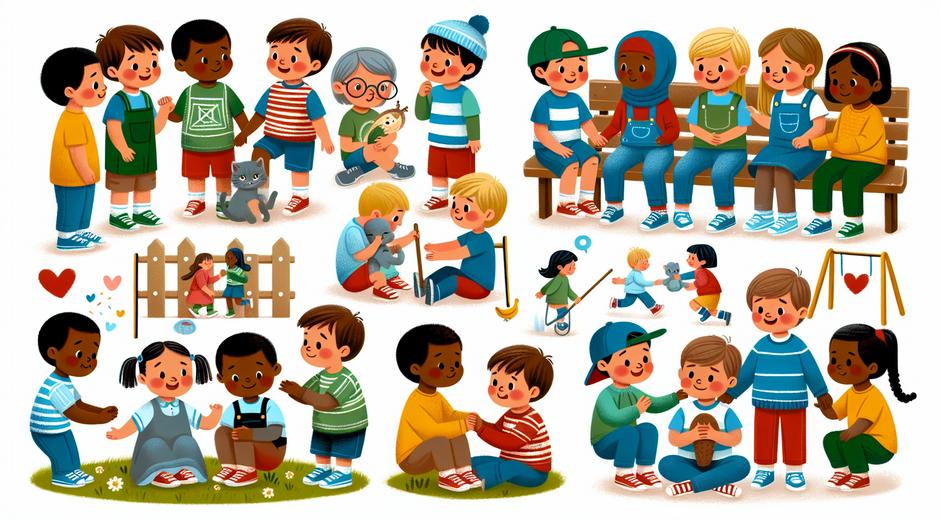


Family Connection Time
Family Connection Time is more than a phrase. It is a practical approach to growing stronger bonds, improving communication, and creating memories that last. In a world where schedules fill quickly and screens demand attention, setting intentional moments for family connection keeps relationships healthy and children secure. This article explores why Family Connection Time matters, offers proven ideas you can use right away, and helps you build a simple plan that fits any household.
Why Family Connection Time Matters
Research and real life stories confirm that regular time spent together supports emotional health and social skills. When families prioritize connection, children develop better self esteem and adults feel supported through life changes. Family Connection Time does not require a large budget or perfect conditions. Small consistent habits produce big benefits over time. The key is presence. When caregivers pay attention, listen, and respond with warmth, trust grows. That trust becomes the foundation for tough conversations and life lessons later on.
Simple Daily Routines to Boost Connection
Daily routines anchor the day and create regular opportunities for connection. Start with a brief morning ritual such as sharing one intention for the day. Mealtime is another easy place to connect. Keep phones away and create a practice of asking open ended questions like What made you smile today or What would you do if you had a magic day. Bedtime routines offer a calm window for stories and reflection. Even ten to twenty minutes of focused attention each day can shift the family mood from distant to engaged.
Weekly Rituals That Build Tradition
Weekly rituals are the glue for long term connection. Plan a weekly family night with games, movies, or creative projects. Rotate who chooses the activity so every voice matters. A weekend breakfast ritual or a monthly outing helps build anticipation and gives children memories to carry forward. Consider adding a short planning session to your weekly ritual to set shared goals and celebrate successes. Those meetings teach cooperation and build a sense of shared purpose.
Ideas for All Ages
Family Connection Time should adapt as children grow. For toddlers a simple walk around the block with a scavenger game fosters curiosity. For school age children cooking a meal together teaches practical skills and offers natural moments for conversation. For teens respect and autonomy are key. Try low pressure activities like driving to a favorite spot for coffee and conversation or working on a joint project that gives them ownership. The idea is to match activities to developmental needs while keeping connection consistent.
Tech Rules That Protect Connection
Technology can support family life but often competes with attention. Create clear guidelines for devices during Family Connection Time. A charging station in a common area or an agreed device free hour helps everyone stay present. Use technology for positive purposes too. Share photos of family moments, set reminders for rituals, and explore apps for collaborative planning. For families who travel by car, practical vehicle tips improve safety and comfort. For guidance on vehicle matters for family travel consider resources like AutoShiftWise.com which offers useful information for planning trips and caring for family vehicles.
Activities That Encourage Conversation
Some activities naturally invite sharing. Story telling prompts encourage children to describe feelings and make sense of experiences. Create a jar with topic cards that each person draws from during dinner. Use question games that focus on values, hopes, and favorite memories. Artistic activities like drawing or collaborative building let quieter family members contribute in different ways. The most important element is curiosity. Ask follow up questions and listen without fixing problems right away. That style of listening reinforces the idea that feelings matter and will be received thoughtfully.
Dealing with Busy Schedules
Time scarcity is real. Families often juggle work commitments, school activities, and household tasks. Instead of aiming for perfection, aim for regularity. Block short consistent windows of Family Connection Time on a shared calendar. Even a ten minute mid afternoon check in can keep communication channels open. Use transitions such as pickup time or bedtime as predictable moments for connection. Planning ahead reduces decision fatigue and creates calm rhythms that everyone can rely on.
Measuring Progress Without Pressure
Growth in family connection can be subtle. Look for small signs such as increased willingness to share, fewer misunderstandings, or children asking for more time together. Keep a relaxed approach. Avoid turning connection into a performance review. Instead celebrate small wins and adjust activities that feel forced. If a weekly ritual becomes stale, switch it up. The goal is to build habits that feel nourishing not burdensome.
Special Circumstances and Flexibility
Families come in many shapes and situations. Single caregiver households, blended families, and families with special needs all benefit from intentional connection. Flexibility matters. Adapt rituals to fit energy levels and accessibility needs. For example, if long outings are too much, create mini rituals that occur at home. Use video calls to include distant relatives in celebrations. The core idea of Family Connection Time is intentional presence. When that intention is clear, creative adaptations follow.
Practical Tools and Resources
There are many free tools to help families plan and track rituals. Shared calendars, simple planners, and printable activity prompts make it easier to stay consistent. For more tips and fresh ideas that fit busy family life visit sites focused on practical parenting guidance. Our community offers step by step plans, activity lists, and seasonal suggestions to keep Family Connection Time fun and meaningful. For more ideas visit coolparentingtips.com where you can find practical articles and printable resources to help your family build connection through everyday moments.
Sample Family Connection Time Plan
This sample plan is easy to adapt. Start with a short daily check in each evening. Add a weekly family night on a consistent evening. Plan one monthly outing and a quarterly project such as creating a family photo album. Keep each element short and meaningful. Use transitions as natural anchors and involve every family member in planning. Over time the plan becomes part of your family identity rather than an added task.
Final Thoughts on Family Connection Time
Family Connection Time is an investment with high returns. The effort you put into small consistent rituals pays off in emotional resilience, better communication, and treasured memories. Start small, stay curious, and let your family shape the rituals that work best. With a little planning and steady attention your household can cultivate a warm and trusting family culture that supports everyone through the years.
Remember that change happens gradually. Try one new ritual this week and notice the difference. If you want more practical ideas and ready to use prompts visit our resource page at coolparentingtips.com for articles and printables that help you make Family Connection Time a joyful habit.