

Encouraging Creativity Every Day: Practical Tips for Parents
Encouraging Creativity is one of the most valuable gifts a parent can give a child. Creative thinking helps children solve problems with confidence communicate original ideas and adapt to change. For busy families creativity can seem like an extra task but small daily shifts in routine and environment can make a big difference. This guide offers clear workable strategies parents can use at home to nurture imagination build creative habits and support children of all ages.
Why Encouraging Creativity Matters
When parents focus on Encouraging Creativity they are investing in skills that last a lifetime. Creative children are better at generating multiple solutions in school tasks they show higher emotional resilience when plans change and they are more likely to pursue interests with passion. Creativity also strengthens language and motor skills when children tell stories draw or build models. In short creativity supports academic social and emotional growth.
Create a Safe Space for Exploration
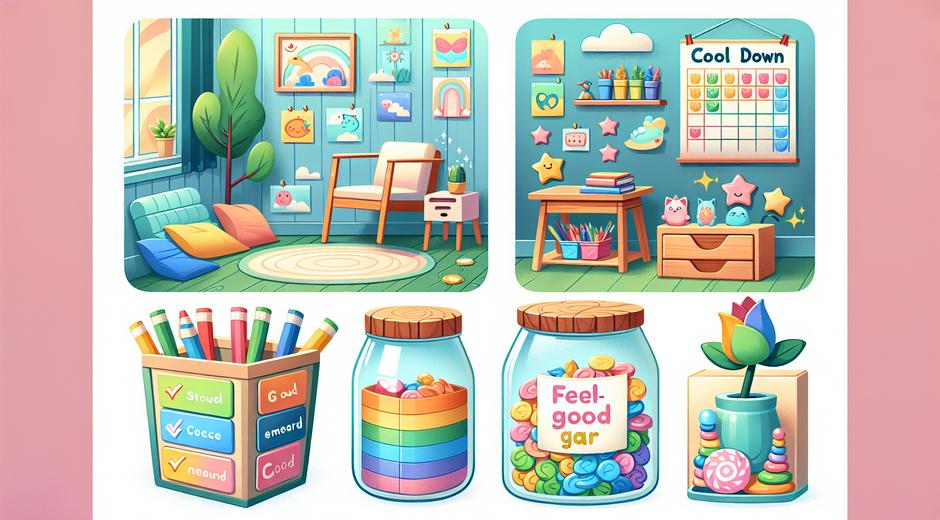
A safe space for exploration is more than a tidy corner with art supplies. It is an environment where trial and error are welcomed and where mistakes are treated as learning moments. Set up a reachable shelf with basic materials like paper crayons glue and recyclable items. Rotate materials to spark new ideas. Keep cleanup tools visible and accessible so creative sessions stay manageable and fun instead of feeling like a big chore.
Offer Open Ended Materials
Open ended materials invite imagination because they do not dictate a single use. Blocks cardboard boxes fabric scrap paper and simple craft supplies allow children to invent their own games and projects. Avoid ready made kits that only produce one outcome. When children direct play they practice decision making and experiment with cause and effect. Encourage this freedom even during short play sessions to reinforce that creativity can happen anytime anywhere.
Make Time for Creative Routines
Carving out time for creative activity signals it is a priority. Short daily practices are often more powerful than long occasional projects. Try a family ritual such as a ten minute bedtime story drawing challenge or a kitchen table idea hour where each person shares one imaginative thought. These routines build momentum and show children that creativity is part of everyday life not just a weekend activity.
Celebrate Process Not Only Product
Praise that focuses on effort exploration and problem solving encourages children to take creative risks. Instead of saying I love that drawing you might say I noticed how you tried different colors to show the mood or I like how you kept going even when it got tricky. These responses reinforce learning habits and reduce fear of failure. When children see value in the process they are more likely to experiment and innovate.
Ask Open Questions to Spark Ideas
Asking open ended questions is a simple way to extend creative thinking. Prompts such as What else could this be How might we do this differently or What if we tried it this way encourage divergent thinking. Resist the urge to answer quickly. Allow silence to give children time to think and expand. Over time this practice strengthens their ability to generate original ideas independently.
Limit Passive Screens and Encourage Active Creation
Screens are not inherently harmful but passive consumption can reduce opportunities for creative play. Balance screen time with activities that require children to make choices create stories or build things. When devices are used for inspiration choose apps that invite creation such as drawing tools music builders or simple animation programs. This helps children convert inspiration into personal expression.
Model Creative Behavior
Children learn by watching adults. Show your own creative side by sharing projects ideas and even your struggles. Let children see you sketch cooking improvisations or tinker with small repairs. Verbalize your thinking as you work through a task. This models a growth oriented mindset and normalizes the idea that creativity involves experimentation and revision.
Use Everyday Moments as Creative Opportunities
Daily routines are full of chances to spark imagination. Turn a grocery trip into a scavenger hunt ask children to create a story while walking in the park or invite them to design a new game with household items. These low pressure activities teach children to see possibility everywhere. Over time they learn to notice details imagine alternatives and approach life with curiosity.
Support Collaborative Creativity
Working with peers or family members teaches negotiation listening and compromise alongside creative skills. Encourage group projects where roles can shift and ideas can merge. Emphasize that collaboration often leads to stronger results and that every contributor brings value. These experiences prepare children for team based work in school and later in life.
Guide Without Taking Over
Find the balance between offering support and allowing autonomy. Offer prompts materials and gentle encouragement but avoid solving the core creative challenge for them. When you step back you give children space to develop persistence and unique solutions. If guidance is needed ask questions that help them troubleshoot rather than providing direct answers.
Encourage Curiosity and Diverse Interests
Exposure to varied experiences fuels creativity. Visit museums gardens and libraries. Introduce music instruments cooking science experiments and simple building tasks. Even unexpected pairings of activities can spark new pathways of thinking. For more family friendly ideas visit coolparentingtips.com which offers practical suggestions to inspire curiosity at home.
Deal With Perfectionism and Comparison
Perfectionism can stall creativity. When children compare their work to others or expect flawless results they may stop taking risks. Teach them that unfinished rough drafts are normal and that sharing early versions can lead to better ideas. Normalize comparison free zones by focusing on personal progress and unique expression rather than ranking outcomes.
Use Real World Challenges as Creative Prompts
Practical problems provide rich material for creative thinking. Ask children how to save water reduce waste or create a safer bike path. Framing these as design challenges gives purpose and context to their ideas. Encourage prototypes quick experiments and reflections. These experiences strengthen problem solving and show children that creativity can address meaningful real life issues.
Where to Find Tools and More Inspiration
There are many resources for materials project ideas and inspiration. For curated tools that support hands on learning visit AutoShiftWise.com which features a range of kits and guides to jumpstart creative projects. Combining guided materials with open ended play can help children gain skills while still retaining freedom to explore.
Measure Progress With Small Steps
Progress in creativity is subtle and often shows up in confidence persistence and a growing willingness to try new things. Notice moments when children stick with a task when they build on a past idea or when they generate several new options for a problem. Celebrate these milestones and reflect together on what helped them succeed. This reinforces a positive loop of effort curiosity and growth.
Final Thoughts on Encouraging Creativity
Encouraging Creativity is a practical ongoing process not a single event. It thrives when parents create an environment that values exploration offers time and materials models curiosity and supports learning from failure. By adding small consistent habits to everyday life parents can nurture creative thinkers who are ready to face complex challenges with flexibility and imagination. Start today with one small change and watch how it influences your child over time.