

Emotion Naming
Emotion Naming is a simple skill with big effects. When parents and caregivers help children put words to their feelings they build a foundation for emotional intelligence, better behavior and stronger relationships. This article explains why Emotion Naming matters, how to practice it in everyday moments and practical tips that work for infants, toddlers and school age children. You will find steps you can use today to make the home a place where feelings are understood rather than feared.
Why Emotion Naming Matters
Putting names to feelings helps children organize internal experiences. Without words a child may feel overwhelmed and act out. With labels a child begins to recognize patterns. They learn that a strong body feeling can be called anger or anxiety and that those feelings can change. Research shows that children who learn to identify emotions early are less likely to have aggressive behavior and are more likely to form positive peer relationships.
Emotion Naming also supports language growth. When you describe what a child is feeling you help expand their vocabulary for internal states. This gives children tools to communicate distress in ways adults can respond to with empathy and problem solving. Over time children learn to connect triggers with feelings and choose actions that match desired outcomes.
How to Practice Emotion Naming
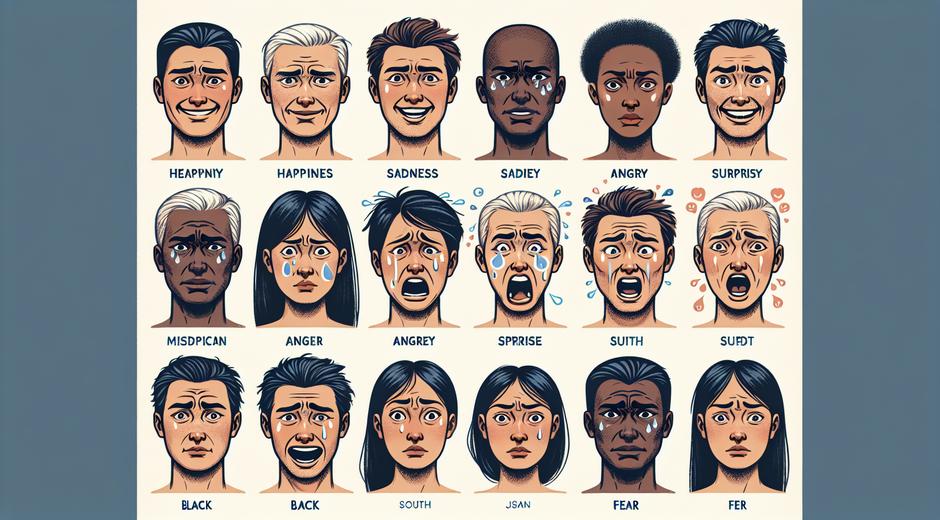
Start with observation and simple words. Notice a facial expression, a tone of voice or body tension. Name what you see. For example say I see your jaw is tight you look upset or You are smiling you seem happy. Keep labels brief and concrete in the first stages. That helps children match a word to a clear cue.
Use opportunities in everyday life. When a child falls and cries say You are hurt and you are scared. When they win a game say You feel proud. When a meal is refused say You are frustrated. By weaving Emotion Naming into routines you create repeated practice moments that feel natural rather than forced.
Model naming your own feelings. Children learn social rules by watching adults. When you say I am frustrated because the sink is clogged you demonstrate self awareness and healthy expression. Modeling helps children see that feelings are normal and naming them is useful. It also invites mutual trust and opens a path for problem solving together.
Practical Phrases That Work
Keep a short list of phrases to use in tense moments. Simple sentences like I notice you are angry or You seem sad often calm a child faster than questioning why they feel that way. Try offering an option when emotion is named. For example You seem upset would you like a hug or would you like to sit quietly for a minute. That choice helps the child feel some control while you provide safety.
Use sensory descriptions for very young children. For infants and toddlers combine a label with a description of their body state. You might say Your face is scrunched and your hands are tight you are angry. This links physical sensation with emotion and helps the child learn the association.
Tips for Parents Across Ages
For infants focus on mirroring. Respond to crying with soothing words and labels such as You are crying you are upset. Even if the infant cannot yet speak the repeated pairing of a feeling and a label begins the learning process.
For toddlers keep labels short and consistent. Toddlers need repetition. Choose basic words such as sad happy angry scared excited and tired. Say the word and then offer a simple response such as You are angry let us take deep breaths together.
For preschoolers expand the vocabulary. Introduce words for mixed feelings such as disappointed proud nervous and relieved. Use story time to point out emotions in characters. Ask questions like What do you think she feels and why. This builds perspective taking alongside vocabulary.
For school age children involve them in problem solving. When you name an emotion ask What do you need right now. Encourage skills such as deep breathing counting or stepping away to calm. Teach that naming is the first step and doing something helpful comes next.
Using Emotion Naming in Conflict
Emotion Naming is especially useful during conflict. When two children argue a parent can name emotions for each child which reduces escalation. For example You are angry because you want the toy and You are sad because it was taken. Naming helps each child feel seen and can open a path to a fair solution.
Stay neutral and avoid blame while naming. Phrases that contain judgement can shut down communication. Instead of saying You are being dramatic try You seem overwhelmed. The second phrase supports curiosity and deescalation which is more likely to lead to repair.
Common Mistakes to Avoid
One common mistake is using Emotion Naming as a quick fix with no follow up. Naming alone helps awareness but children also need tools to manage feelings. Combine a label with an action such as offering a coping strategy or a chance to problem solve together.
Another mistake is correcting a child who mislabels their feeling. If a child says I am hungry when they are actually tired respond with I hear you say hungry maybe you are tired or hungry. Gently broaden the options. This keeps the child engaged in learning rather than feeling dismissed.
Avoid over labeling during calm moments only. Emotion Naming is most powerful when used in real time with clear cues. Make labels a natural part of daily life so they are familiar when tension arises.
How to Measure Progress
Look for changes in behavior and language. Does your child begin to say I am sad instead of throwing a toy. Does the frequency of full blown meltdowns decrease. Are they more likely to ask for help or a break. These signs indicate that Emotion Naming is building emotional regulation skills.
Keep a simple log for a few weeks if you want data. Note moments when you named an emotion the response and any follow up strategy. Over time patterns will appear that show which phrases and practices work best for your child or family.
Resources and Next Steps
If you want more ideas and printable tools for practicing Emotion Naming with children visit coolparentingtips.com where you can find age specific tips and conversation starters. For guided activities and games that teach emotion skills consider resources available at Zoopora.com which offers hands on materials for families and educators.
Conclusion
Emotion Naming is a practical, low cost investment in a child future. It strengthens communication increases emotional regulation and promotes peaceful interactions. Start by noticing, naming and offering a response. Use short consistent language for young children and expand vocabulary with age. With steady practice Emotion Naming becomes part of family habit and creates a climate where feelings are understood and growth is possible.