

Daily Parenting Habits
Why Daily Parenting Habits Matter
Daily Parenting Habits create a foundation for children to grow with confidence and security. Small regular actions build routines and reinforce values. When parents focus on consistent practice each day they help children develop emotional skills social skills and problem solving ability. This article explores simple practical habits you can adopt now to make each day more intentional and more rewarding for your family.
Start With a Morning Routine That Works
Morning routines set the tone for the whole day. Choose a few reliable steps that help your child feel safe and prepared. A warm greeting a short check in about feelings and a clear set of tasks for getting ready help reduce stress. Keep expectations simple and age appropriate. For toddlers this may be picking one outfit and helping with teeth for school age kids list tasks on a visual chart to encourage independence.
Practice Clear Calm Communication
Daily Parenting Habits should include clear calm communication. Use short sentences and name feelings often. For example say I see you are frustrated because that toy broke instead of offering a lecture. When you label feelings children learn vocabulary to describe their own emotions. Active listening is another key habit. Make eye contact get down to their level and repeat what you heard to show understanding. Consistent communication builds trust and reduces power struggles.
Use Positive Reinforcement Every Day
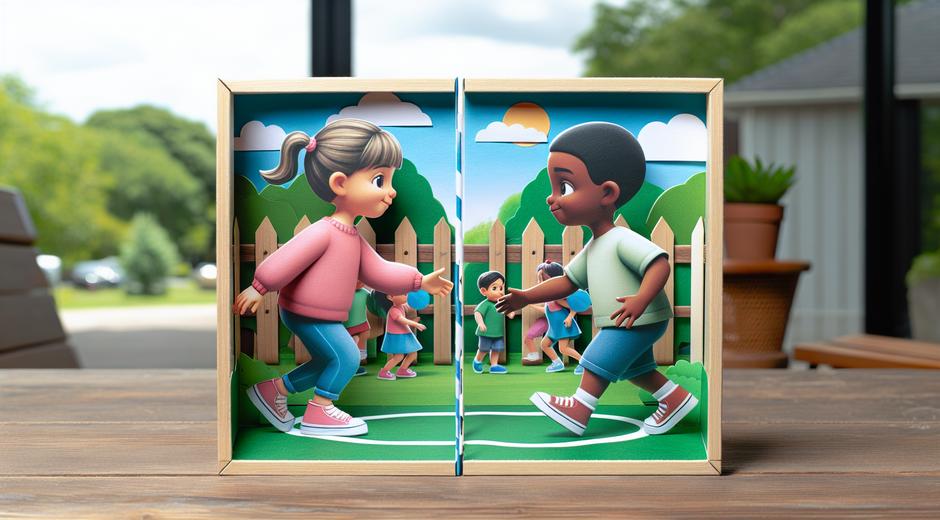
Focus on noticing and praising effort and kindness. Positive reinforcement can be a simple thank you a high five or a specific comment like I liked how you shared your crayons with your friend. This habit encourages repeating good behavior more than constant correction. Try to deliver at least three positive statements for every corrective comment. Over time this ratio helps children feel valued noticed and motivated.
Create Consistent Boundaries With Flexibility
Children thrive when rules are predictable yet delivered with warmth. Set clear limits about safety and respect while explaining reasons in age appropriate language. Consequences should match the behavior and be calm predictable and brief. Use natural consequences whenever possible to help children learn cause and effect. At the same time allow room for compromise on lesser issues so your home keeps a warm open feeling.
Encourage Daily Routines for Sleep Nutrition and Play
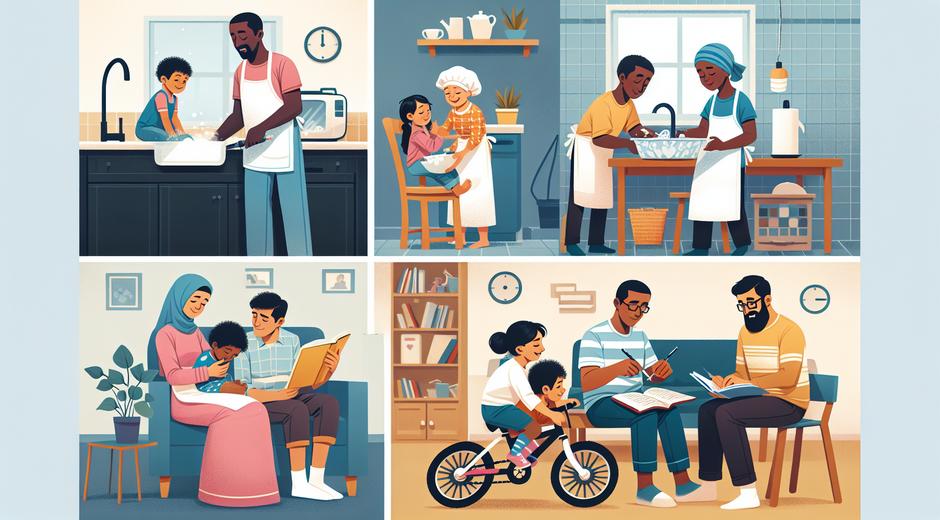
Sleep nutrition and play are core parts of Daily Parenting Habits. Create a bedtime routine that includes a wind down time such as reading a book or a quiet conversation. Regular meal times with balanced options teach healthy eating patterns. Encourage play that promotes creativity and physical activity. Outdoor time each day even if brief supports mood regulation and physical health.
Manage Technology With Family Rules
Technology is part of modern family life so daily habits around use are essential. Decide together on times and places for screens such as after homework and not during meals. Model good behavior by putting your phone away during family time. Use screen time for shared activities too. For example plan a family movie night and let kids help pick the film. If you need ideas for family friendly selections check a curated source like Moviefil.com to find titles that match your values and age range.
Model the Behavior You Want to See
Children learn most from watching the people they love. Practice the qualities you wish to cultivate such as patience honesty and curiosity. When you make a mistake apologize and explain what you will do differently next time. This habit shows that making mistakes is part of learning. Modeling also includes showing healthy coping strategies like deep breathing taking a short walk or talking to a friend when stressed.
Practice Daily Self Care for Parents
Daily Parenting Habits are not only for kids. Parents need small daily practices to stay calm and effective. This might be five minutes of quiet time a short walk a quick stretch routine or a positive journal entry at the end of the day. Caring for your own needs helps you respond rather than react. When parents feel rested and supported children benefit from steadier caregiving.
Teach Problem Solving Step by Step
Turn conflicts into learning moments by guiding children through problem solving. Use simple steps like name the problem brainstorm two or three solutions choose one and try it. Celebrate when they use their plan. Over time this habit builds independence and critical thinking. For younger children use pictures to illustrate steps. For older kids provide more space and ask questions that nudge them toward their own answers.
Keep a Daily Reflection Habit
Reflection can be quick and it yields big rewards. Spend a few minutes each evening thinking about what went well and what to try next. Talk with your partner or a friend about challenges and successes. Make adjustments as needed. You can track patterns in a simple notebook or use a family calendar to note wins and areas to improve. For more ideas on building small routines and helpful tips visit coolparentingtips.com where you will find practical suggestions you can use right away.
Be Patient With Progress
Changing habits takes time so celebrate small wins. A new daily habit may take many weeks to feel natural. Keep expectations realistic and reward effort not perfection. When setbacks occur review what worked and make small tweaks. Consistency matters more than intensity. Gentle steady practice of useful strategies leads to lasting change for both parents and children.
Final Thoughts
Daily Parenting Habits are the small steady actions that shape family life. Focus on clear calm communication consistent routines positive reinforcement and self care. Model the behavior you want to see and teach problem solving step by step. Use technology intentionally and plan shared activities that strengthen bonds. Over time these habits create a resilient supportive family environment where children learn to thrive. Start with one small change today and build from there.