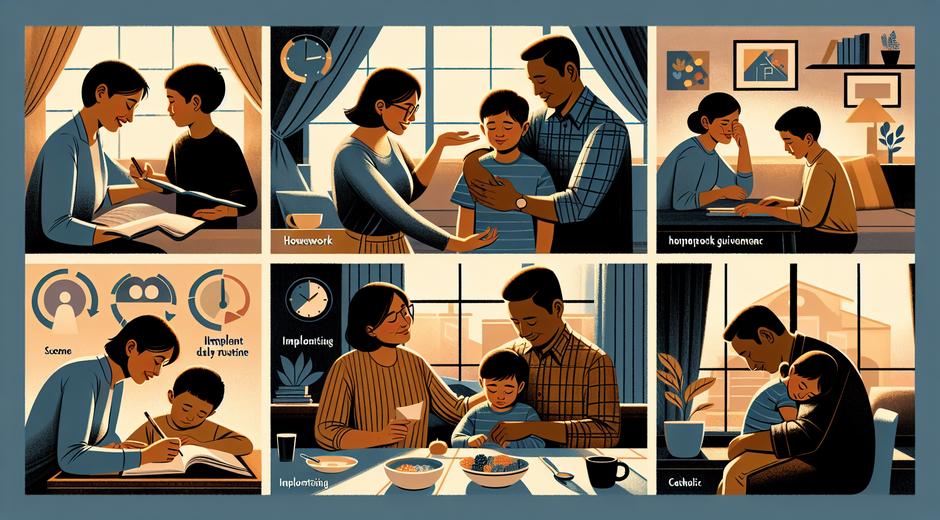


Supportive Home Environment: How to Build a Nurturing Space for Children
A Supportive Home Environment is one of the most powerful gifts a parent can give a child. When children feel safe cared for and understood they develop confidence the ability to regulate emotions and a willingness to explore new challenges. This article outlines why a Supportive Home Environment matters the core elements that make it effective practical strategies for daily life and ways to measure progress. Use these ideas to create a home where children thrive and family relationships strengthen over time.
Why a Supportive Home Environment Matters
A Supportive Home Environment shapes a child beyond basic needs. It influences brain development learning habits social skills and long term emotional health. Children raised in supportive homes are more likely to feel secure asking for help and trying new things because they know mistakes are part of learning. A calm predictable environment reduces stress and allows children to focus on growth and creativity.
Research shows consistent routines warm positive communication and a balance of structure and autonomy help children develop resilience. Those practices foster trust between parent and child and create a context where guidance is accepted rather than resisted. The net result is better behavior improved school engagement and stronger social connections.
Core Elements of a Supportive Home Environment
To build a Supportive Home Environment parents can focus on several core elements that work together to create a stable loving setting.
- Emotional safety: Encourage open expression of feelings and validate emotions without judgment. Children need to know their feelings are taken seriously.
- Predictable routines: Daily routines for sleep meals and homework create security and reduce conflict about expectations.
- Clear boundaries: Limits taught with explanations help children learn self control and responsibility.
- Positive communication: Use encouraging language active listening and open ended questions to build connection.
- Opportunities for independence: Offer age appropriate tasks to build competence and decision making skills.
- Modeling healthy behavior: Children copy what they see. Show calm stress management and kindness in everyday interactions.
- Quality time: Regular one on one moments foster closeness and let parents notice small changes in mood or behavior.
Practical Strategies for Parents
Creating a Supportive Home Environment is a daily process not a single task. Here are practical steps parents can implement right away.
Start with predictable mornings and evenings. A consistent wake up routine and bedtime ritual help regulate sleep and mood. Keep these rituals simple with a shared checklist so children know what to expect.
Use short family meetings to set expectations solve small problems and celebrate wins. Meetings teach children to voice ideas and participate in decisions that affect the household.
Practice active listening. When a child speaks put away distractions make eye contact and reflect what you heard. Statements like I hear you and That sounds hard show validation and open the door to problem solving.
Replace punishment with natural consequences when safe. If a toy is left outside and gets dirty the child learns to care for belongings. Explain the link between action and outcome rather than assigning blame.
Create calm spaces. Designate a corner with books soft lighting and sensory items where children can regroup when overwhelmed. Teach children to use the space for reflection and breath work not as a place for isolation.
Teach emotion words and coping tools. A simple list of words with examples helps children name feelings. Pair names with regulation strategies like deep breaths counting or drawing.
Assign responsibility through chores matched to ability. Small tasks build a sense of contribution and competence. Praise effort rather than outcome to reinforce persistence.
Keep technology rules clear and consistent. Tech can support learning and connection but also disrupt sleep and attention. Set limits together and model balanced use.
Handling Challenges with Calm and Consistency
Even the most supportive families face conflict and setbacks. Reacting with calm and consistency preserves trust and teaches children how to cope. When a child acts out first ensure safety then address the feeling behind the behavior. Instead of asking only What did you do ask What was going on for you. This approach shifts focus from punishment to understanding.
Be consistent in consequences and follow through. If a rule is flexible when enforced and ignored at other times confusion increases. Consistency helps children internalize expectations which reduces future conflict.
Seek help when challenges persist. A Supportive Home Environment includes using external resources when needed. Parenting groups local community programs and professional guidance can offer new tools and encouragement. You might find useful community and business resources at BusinessForumHub.com for parents balancing work and family life.
Creating Routines that Work for Your Family
Routines should fit a family style and adjust as children grow. Start with a simple template and refine it.
Morning routine examples include hydration breakfast a brief plan for the day and a positive send off. Evening routines can include a family check in homework time and a calming bedtime ritual like reading or quiet music. Involve children in designing routines to increase buy in and ownership.
Flexibility matters. Life includes unexpected events so plan buffer time and teach problem solving skills for when plans change. The balance between structure and flexibility is key to a healthy Supportive Home Environment.
Measuring Progress and Adjusting Approach
Track small markers of progress. Notice fewer bedtime battles more willingness to talk about hard things or improved focus at school. Celebrate these wins with specific praise to reinforce the positive pattern.
If a strategy is not working reassess and try a different approach. Reflection questions include What worked What did not and What can we try next. Keep adjustments gradual and keep children involved in the process.
Use a family journal or a weekly reflection time to document feelings goals and changes. This practice builds self awareness in children and helps parents spot long term trends.
Where to Find More Help and Ideas
A Supportive Home Environment is easier to maintain with a network of ideas and support. For practical tips and family friendly articles visit coolparentingtips.com where you can find step by step suggestions activity ideas and guides for every stage of parenting.
Local libraries community centers schools and trusted online communities also offer workshops and peer support. Remember that seeking help is a sign of strength and commitment to your child wellbeing.
Final Thoughts
Building a Supportive Home Environment is a journey with small daily choices that add up to lasting impact. Focus on emotional safety predictable routines clear communication and opportunities for independence. When parents model kindness and stay consistent children learn to trust manage emotions and explore the world with confidence. Use the strategies above adapt them to your family and reach out to trusted resources for additional guidance. A nurturing home fosters resilient happy children and lasting family bonds.