

Child Behavior Guidance: Practical Strategies for Positive Change
Child Behavior Guidance is a core skill for every parent caregiver and educator. Clear guidance helps children learn social skills emotional regulation and problem solving while strengthening family bonds. This article presents research backed yet practical approaches you can use at home or in group settings. For a wide range of tips and resources visit coolparentingtips.com where you will find more ideas that support consistent practice and calm routines.
Understanding Child Behavior
Child behavior is communication. When a child acts out refuses to follow a request or withdraws from play they are sending a message about their needs feelings or skills that are still developing. Age and temperament shape how children express strong emotions. For example toddlers may have limited language so they use physical expression to show frustration. School age children may test limits to learn rules and to see what will happen when they push back.
Knowing the difference between intentional misbehavior and a signal of unmet need is the first step in effective guidance. When you frame actions as messages you shift from punishment to problem solving. This approach reduces conflict increases cooperation and builds the skills children need for lifelong success.
Core Principles of Effective Child Behavior Guidance
Use these guiding principles when you design routines interactions and discipline plans:
– Consistency matters. Predictable responses help children learn cause and effect and feel secure.
– Clear expectations work best. Use simple concrete language and check for understanding.
– Positive reinforcement strengthens desired behavior more quickly than harsh consequence. Praise effort describe the specific behavior and celebrate progress.
– Role modeling is powerful. Children copy adult ways of handling stress making it important to show calm problem solving.
– Natural consequences teach cause and effect while keeping safety in mind. Let outcomes follow actions when they are safe and logical.
– Emotional coaching supports regulation. Name feelings validate them and offer words and strategies to manage strong states.
These principles form a foundation for daily strategies you can implement with predictable routines and kind firmness.
Practical Strategies for Day to Day Guidance
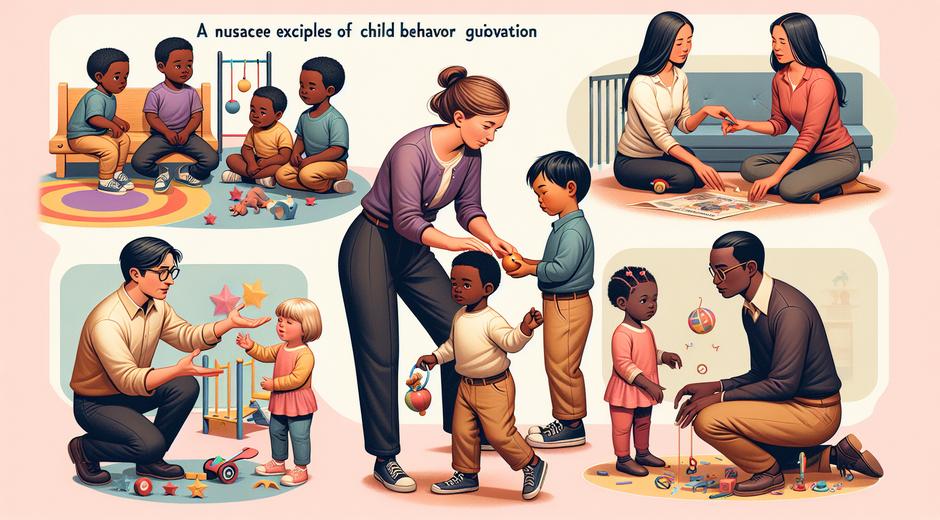
Routines provide structure and reduce daily power struggles. A consistent morning and bedtime routine sets expectations and creates a sense of safety. Use visual cues charts or simple timers to show steps in a routine for children who need concrete reminders.
Make rules brief and positive. Instead of long lists focus on three to five core family rules stated in a positive way. For example say Use gentle hands rather than Do not hit. Reinforce the rules with immediate praise when you see them followed.
Offer choices to increase cooperation. Limited choices give children control while keeping adults in charge. For example instead of asking Do you want to get dressed now ask Do you want the blue shirt or the green shirt. Choices help reduce resistance and teach decision making.
Use praise that is specific. Say I like how you waited your turn at the table rather than Good job. Specific praise teaches the skill you want repeated. Notice effort and progress as well as success.
When setting limits follow through calmly. If a boundary is crossed apply the agreed consequence without drama. Short consistent consequences are more effective than long drawn out battles. A calm follow through models self control and shows that rules are real.
Teach problem solving with simple steps. Help children name the problem brainstorm solutions pick one try it and check how it worked. This builds executive skills and reduces repeated conflicts.
Handling Challenging Moments with Care
Strong feelings can lead to outbursts. During a meltdown safety comes first. Stay near but keep your tone calm and your body relaxed. Use short statements to communicate care and limit setting. For example I am here with you when you are ready we can talk about what happened.
After the child is calm use the moment as a learning opportunity. Talk about what triggered the behavior and discuss better ways to cope next time. Role play and practice breathing or counting techniques when things are calm so the child can use them in future moments.
Avoid power struggles. If you feel your anger rising pause and take a break. A quick deep breath or a brief walk will help you return ready to guide rather than react. Children learn self regulation best when adults model it.
Use logical natural consequences rather than shame. If a child throws a toy the consequence is losing that toy for a period of time while explaining the reason. This links behavior to outcome and teaches responsibility.
Supporting Emotional Growth
Emotional language is a bridge to regulation. Teach feeling words and notice emotions in yourself and others. When you say I see you are sad because your tower fell you help the child make a connection between feeling and event. This naming reduces the intensity of feelings and opens the door to coping strategies.
Practice calming routines together. Deep breathing counting to ten progressive muscle relaxation and short mindful moments can be introduced in playful ways. Use stories games and simple scripts to help children practice new skills.
Encourage social skills through structured play. Teach sharing turn taking and problem solving with peers. Role modeling and coaching during play helps children learn to negotiate compromise and to recognize social cues.
When to Seek Extra Support
Most behavior challenges improve with consistent guidance practice and patience. However persistent patterns that interfere with learning sleep or safety may need professional input. If you see extreme aggression severe withdrawal frequent tantrums that get worse or if you have concerns about development consult a pediatrician a child therapist or a school specialist.
Community resources and programs can also help families build skills and access services. Stable housing and a calm home environment support behavioral gains so families who are moving or looking for options may benefit from resources that match their needs and budget. For family friendly housing options consider exploring MetroPropertyHomes.com for ideas on creating a secure calm place for growth.
Creating a Family Plan for Long Term Success
A written family plan brings clarity and consistency. Include a short list of family values clear rules daily routines a praise plan and agreed consequences. Involve children in age appropriate ways so they feel ownership and motivation to follow the plan.
Review and adjust the plan regularly. As children grow needs change and strategies that worked at one age may need revision. Keep communication open. Family meetings are a great way to solve problems celebrate successes and update the plan together.
Finally be gentle with yourself. Guiding behavior takes ongoing practice and every caregiver will have moments of doubt. Prioritize self care seek support and celebrate small wins. Consistent calm guidance builds secure confident children who can navigate challenges with resilience.
Child Behavior Guidance is a skill you refine over time. With clear expectations positive reinforcement calm follow through and emotional coaching you can reduce conflict build skills and strengthen your bond with your child. For more practical tips resources and sample routines visit the site mentioned earlier to expand your toolkit and find new ideas you can try this week.