

Calm Corner: How to Create a Soothing Space for Children
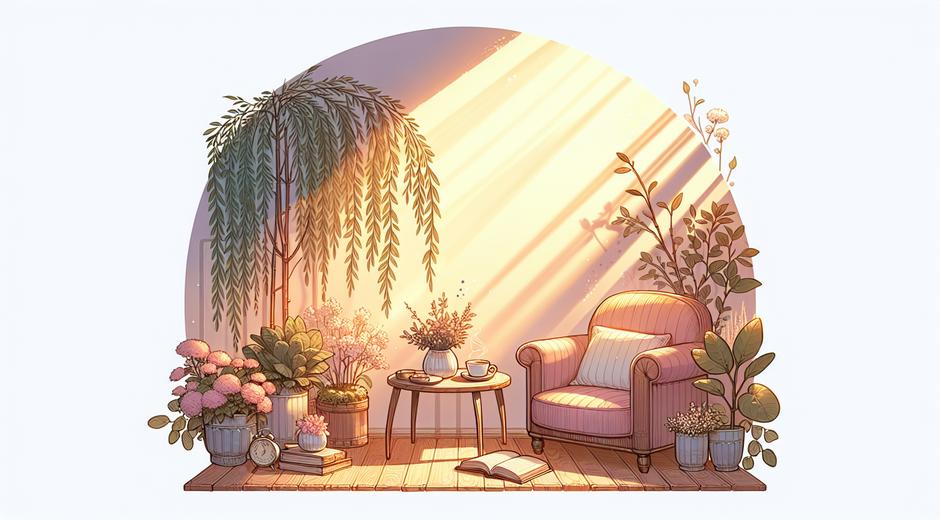
Creating a Calm Corner at home is one of the most effective and simple strategies parents can use to support emotional regulation in children. A Calm Corner is a small, intentional space where a child can retreat when feelings become big, when sensory overload happens, or when they need a moment to reset. In this article you will find practical steps for setting up a Calm Corner, ideas for items to include, guidance on how to introduce this tool to your child, and tips for measuring success.
Why a Calm Corner Works
Children do not always have the language or the skills to manage strong emotions. A Calm Corner offers a physical cue that helps a child pause and practice calming tools. It works because it combines structure with comfort. The space signals permission to take time to calm down while also offering concrete resources such as breathing prompts, soft textures, and visual cues. Over time a Calm Corner can help a child build self regulation skills and reduce the intensity and duration of emotional events.
Choosing the Best Location
Location matters. A Calm Corner should be quiet but still within sight or hearing of an adult so it can be supervised when needed. Good options include a corner of the child bedroom, a section of the living room that gets less foot traffic, or a cozy nook in a playroom. Keep it accessible so a child can use it independently when they are ready. The goal is to make the space inviting without making it feel like a place of punishment.
What to Include in a Calm Corner
A Calm Corner does not require expensive items. Thoughtful, sensory rich objects that encourage regulation are most useful. Consider including a soft cushion or small bean bag, a weighted lap pad for older children who benefit from proprioceptive input, a soft blanket, and a set of calming visuals such as picture cards that show deep breathing or progressive muscle relaxation steps. You can add a small basket with sensory toys like a squishy ball, textured scarf, or a large soft book.
Label items with simple words or pictures so the child can choose what they need. A simple timer or hourglass can help a child understand how long to stay in the Calm Corner. For guided movement or child friendly exercise ideas that blend physical activity with calm focus, you may find helpful routines and inspiration at SportSoulPulse.com. Linking physical play with calming strategies can be a powerful way to teach regulation skills for active children.
Design Tips That Support Calm
Color and lighting influence mood. Soft, muted tones and warm lighting tend to be more soothing than bright overhead lights. Consider a small lamp with a soft bulb or a string of gentle lights to create an atmosphere that feels safe and calm. If space allows, add soft textures like a fleece throw or plush rug. Visuals should be simple. Busy patterns can be over stimulating. The aim is to reduce stimulation so the brain can focus on calming down.
Introducing the Calm Corner
How you introduce a Calm Corner sets the tone. Present it as a positive tool rather than a place of timeout or isolation. Use play and role play to teach how to use it. For instance, read a short story about a character who visits a Calm Corner when feelings become big, or practice using the space together during moments of calm. Reinforce that everyone needs time to reset sometimes and that the Calm Corner is a place to feel better.
Make a simple ritual for entering and leaving the Calm Corner. This might include taking three slow breaths, choosing one item from the basket, and setting a timer for a few minutes. A clear ritual helps a child understand what to do and supports consistent use. Praise attempts to use the Calm Corner. Over time positive reinforcement builds a habit of self soothing and emotional awareness.
Age Appropriate Adaptations
For toddlers include very simple tools like a soft toy, a small book, and tactile items. Use words to name feelings and model short calming techniques such as a hand on the heart and slow breaths. For preschoolers add picture cards that show faces and emotion words so they can point to how they feel. For school age children include more complex tools like a feelings journal, a guided breathing app or recorded calm down scripts, and a small checklist of steps to follow.
Adolescents may prefer a Calm Corner that respects privacy and maturity. Offer headphones, a journal, and options for guided breathing or progressive muscle relaxation. Let teens help design the space so it feels authentic to them. Respect choices about what goes into the corner while ensuring items are safe and supportive.
Teaching and Practicing Skills
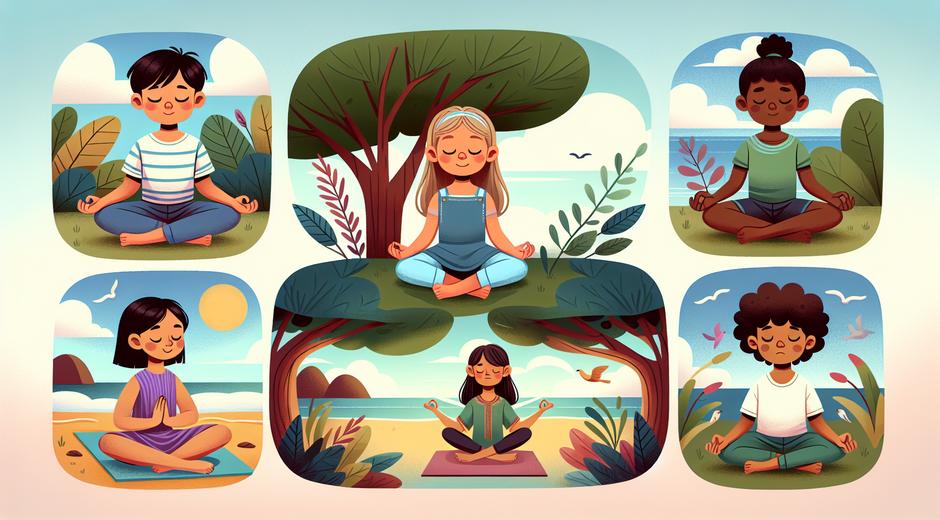
A Calm Corner is most effective when paired with teaching. Practice calm down techniques during neutral times so a child knows what to do under stress. Teach deep breathing techniques like counting breaths slowly or breathing in for a count of four and out for a count of four. Use games that make practice fun so skills are accessible when emotions rise.
Model calm behavior. Children learn by watching adults. When you experience frustration, narrate your strategy: I am feeling overwhelmed so I will take three deep breaths. Showing the steps helps normalize the practice and strengthens the child ability to imitate the behavior.
Safety and Boundaries
Keep safety in mind. Avoid items with small parts for young children. If you include objects like a timer or lamp make sure they are sturdy and placed safely. Set clear boundaries about how the Calm Corner is used. A Calm Corner is not a place to avoid consequences or to escape responsibilities. It is a teaching tool. Use it alongside clear expectations and follow up conversations about feelings and choices once a child is calm.
Tracking Progress and Success
Measure the success of your Calm Corner by observing changes in how a child handles emotional moments. Look for increased independence in using the space, shorter recovery times after upset, fewer intense outbursts, and improved ability to name feelings. Keep a simple log if you want data. Note the triggers, the calming strategies used, and the outcome. This will help you refine the tools you include and the way you teach the routine.
Resources and Further Reading
If you want more guidance on parenting approaches and practical ideas for family wellbeing visit coolparentingtips.com where you will find a wide range of articles on emotion coaching, play based learning, and gentle routines. Pairing a Calm Corner with consistent parenting practices creates a supportive environment that helps children learn to manage strong feelings while preserving connection and trust.
Final Thoughts
A Calm Corner is a small investment with big impact. It gives children a reliable place to practice regulation skills and builds confidence in their ability to handle stress. With thoughtful items, careful introduction, and ongoing practice, a Calm Corner can become an essential part of family life that promotes resilience and emotional growth. Start small, involve your child in the design, and adjust over time. The result will be a peaceful tool that supports calm and connection in your home.