

Big Feelings
Big Feelings are part of the human experience from the first days of life. Children and adults meet waves of joy worry anger and deep sadness that can feel too large to handle. For parents and caregivers the challenge is to notice these intense emotions and to respond in ways that teach calm clarity and resilience. This article explores why Big Feelings matter how to respond and practical activities you can use at home to help children name understand and manage strong emotions. For more practical ideas and ongoing parenting support visit coolparentingtips.com where simple tips meet real life.
Why Big Feelings Matter
Big Feelings shape how children learn to relate to the world. When a child is able to name an emotion and feel safe expressing it the brain builds pathways that support emotional regulation and healthy relationships. When powerful emotions are ignored dismissed or punished children can learn to hide what they feel which may lead to confusion low self esteem or outburst in other settings.
Recognizing Big Feelings also helps parents see what a child actually needs. A meltdown in a grocery store may look like attention seeking but often it is an overwhelmed nervous system a need for rest or a request for connection. When we treat the feeling as real we can offer safety tools and language that help a child calm and learn.
How to Name and Honor Emotions
One of the most effective tools for working with Big Feelings is naming the emotion. Saying aloud what you notice helps children feel understood and develops emotional vocabulary. Use simple phrases that match what you see. For example try saying I see you are very upset I notice your face is red and your fists are tight or It looks like you are feeling really excited right now. Short clear labels allow a child to connect the internal sensation to a word and that connection reduces fear around intense states.
Another important step is to validate the feeling. Validation does not mean agreeing with every action it means accepting the feeling as real. You might say I get why you would feel that way when your toy broke or That sounds really scary I am glad you told me. Validation lowers stress and opens the door for teaching skills.
Teach Emotional Regulation Through Small Steps
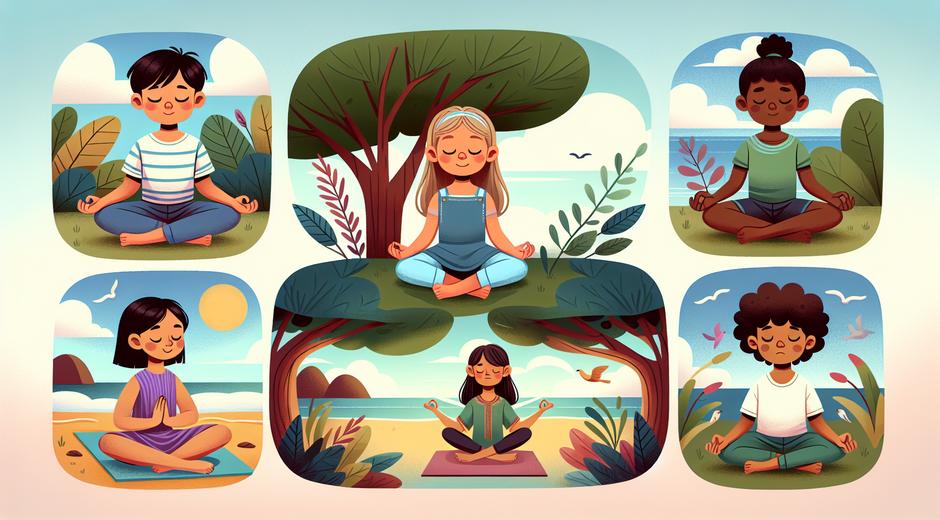
Big Feelings can be overwhelming but regulation skills grow through practice. Teach one simple tool at a time so your child can succeed. Start with breathing exercises that feel playful. Try counting slowly while breathing in and out or imagining blowing bubbles to slow the breath. Use your voice to guide the rhythm and practice when the child is calm so the technique becomes familiar in times of stress.
Grounding activities can also help. Invite your child to notice five things they can see four things they can touch three sounds two smells and one taste or memory. This simple exercise brings attention back to the present moment and can reduce the intensity of an emotional spike.
Another powerful practice is naming the body sensation. Ask Where do you feel that in your body? or Does it feel hot or tight or heavy? When children learn the map of their own sensations they can start to notice early warning signs and use a coping skill before the feeling becomes too large.
Routines and Environment That Support Calm
Predictable routines help regulate emotions by reducing the number of surprises a child faces each day. Consistent sleep a calming bedtime ritual and regular meals all support a nervous system that can handle Big Feelings more easily. Create a low stimulation zone where a child can pause and practice skills. Fill that space with soft lighting favorite books sensory toys and visual cues for breathing or grounding.
Limit the number of times a child must switch tasks and offer warnings before transitions. Instead of telling a child to stop playing immediately say In five minutes we will clean up and then count down. These gentle cues give the child time to prepare and often reduce friction and outburst.
When Big Feelings Need Extra Help
Sometimes Big Feelings are more than typical development. If strong emotions come with intense aggression prolonged withdrawal severe changes in eating or sleeping or if a child expresses fear of harm then seek guidance from a pediatrician mental health professional or school counselor. Early help can prevent patterns from becoming entrenched and supports the whole family.
Therapies that focus on emotional understanding and regulation can be very effective. Play therapy narrative approaches and caregiver guided interventions help children process big experiences and practice new ways to cope. If you are looking for media that sparks conversations about feelings consider curated content that models naming emotions and problem solving. A family friendly media resource can help you start a talk after a show or book and extend learning into daily life. For a selection of media options that encourage emotional learning check out Moviefil.com.
Tools and Activities to Try Today
Here are simple practices you can try with a child to make Big Feelings easier to manage right away.
Breathing buddy: Ask the child to lie down with a small stuffed animal on their belly. Have them watch the toy rise and fall as they breathe slowly for a minute.
Feeling faces: Draw or print a set of faces that show different emotions. Use them to talk about what each feeling looks like and when the child has felt that way.
Calm jar: Fill a clear jar with water glitter and a small amount of glue. Shake it and watch until the glitter settles. Use this as a visual tool for how a mind can calm after being shaken up.
Story time reflection: After reading a book ask What did that character feel and why? Discuss choices the character made and other ways to handle the same feeling.
Move it out: For high energy feelings invite the child to run in place stomp dance or do wall push ups for thirty seconds to get energy out and then follow with deep breathing.
Language That Strengthens Resilience
Use strength based language that helps children see themselves as capable learners of emotion. Say You are getting better at calming yourself or Thank you for telling me how you feel. Encourage curiosity with prompts like What do you think would help right now? or How can we try that together? These phrases shift focus from blame to growth and model problem solving.
Remember to model your own emotional life. When you name your feelings and show how you calm your own Big Feelings you give a child permission to do the same. A caregiver who says I am feeling frustrated I am going to take three deep breaths shows strategy and honesty at once.
Closing Thoughts
Big Feelings will come again and again. What matters most is how adults respond. Calm presence clear language and consistent routines teach children that feelings are manageable and that they are not alone in them. With steady practice children learn to notice breath name a feeling choose a tool and move forward. Those skills lead to better relationships stronger learning and deeper self trust.
If you want ongoing tips tools and simple activities to add to your routines return to coolparentingtips.com where each week we share practical ideas to help families thrive.