

Teaching Empathy Early
Why teaching empathy early matters
Teaching empathy early sets a foundation for children to form healthy relationships, handle conflict with care and grow into adults who contribute to peaceful communities. When parents and caregivers intentionally nurture empathy from toddler years through elementary school, children learn to recognize feelings in themselves and others. This skill improves social success at school, reduces aggressive behavior and supports emotional resilience in times of stress.
What empathy looks like in young children
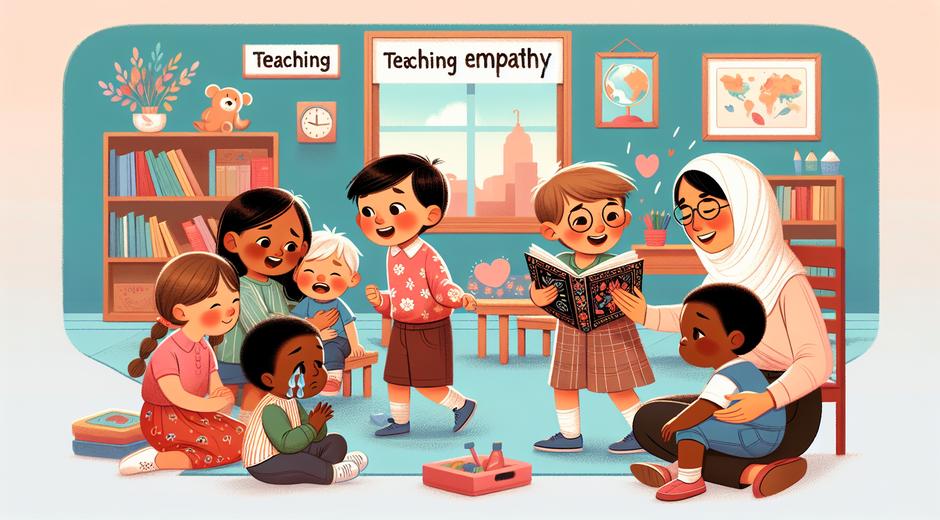
Empathy is not a single action. In early childhood it often shows as simple acts that indicate awareness. A child might offer a toy to a crying friend, physically reach for a caregiver when another child is hurt or say comforting words. These behaviors are the seeds of a lifetime of compassionate responses. Observing and praising these moments reinforces the neural pathways that support empathy.
Practical ways parents can teach empathy
Below are practical strategies that fit into everyday family life. Each one can be adjusted to match a child s temperament and developmental level.
-
Model empathic behavior
Children learn by watching. Use calm language when you handle frustrations. Narrate your own feelings and your reasons for caring about someone else s feelings. For example say I can see Sam is sad because his tower fell. I will help him rebuild it. This shows both emotional labeling and action that supports another person.
-
Label emotions often
Give feelings names in everyday moments. When a child cries you might say You seem upset. Are you feeling mad or sad? Labeling helps children connect internal states with words. As vocabulary grows, children can better communicate their needs and understand the feelings of others.
-
Use stories and pretend play
Books and role play are powerful tools. Pause while reading to ask How do you think the character feels? What would you do if that happened to you? Pretend play allows children to take another person s perspective. Encourage them to act out both sides of a scenario to deepen understanding.
-
Teach problem solving
When conflicts arise gently guide children through steps to resolve the situation. Ask questions like What happened? How did that make each of you feel? What can we do to fix this? Guiding children through repair teaches responsibility and strengthens relational skills.
-
Encourage caring routines
Simple routines build empathy muscles. Caring for a class pet, helping a sibling tie shoes or preparing a snack for a neighbor are small acts that reinforce concern for others. Praise the effort and the intention behind the action to reinforce the value of caring.
Activities to practice empathy at home
Make short daily activities part of your family rhythm. These moments add up to meaningful growth.
-
Feelings check in
Start meals with a one sentence check in. Each person shares one word about how they feel. This practice normalizes emotional expression and gives children regular opportunities to tune into feelings.
-
Emotion charades
Act out emotions and let others guess. This builds recognition skills and makes learning fun.
-
Thank you notes
Help young children draw or write simple notes to people who help them. Expressing gratitude connects the giver and the receiver in a meaningful way.
-
Perspective swap
After a disagreement ask each child to explain how the other child might have felt. This teaches children to pause and consider perspectives before responding.
How caregivers can respond when empathy is missing
Children will sometimes hurt others without seeming to care. When empathy seems absent, avoid shaming. Instead focus on teaching and connection. Use reflective statements to name feelings and gently guide toward repair. For example say It looks like you were very frustrated and grabbed the toy. How can we make that better? Offer choices for repairing the relationship such as Apologize, share the toy or find a different toy to play with together.
Consistency matters more than perfection. Repeated practice and calm coaching help children replace reactive behavior with thoughtful responses.
Benefits of early empathy for long term success
Children who develop empathy early gain advantages across many areas of life. They tend to have better friendships, perform well in collaborative learning situations and experience less peer rejection. Empathy supports leadership skills because caring leaders inspire trust. In the long run empathy also contributes to improved mental health by strengthening social supports and reducing loneliness.
Tools and resources for parents
There are many books, podcasts and community programs that provide ideas you can adapt to your daily routine. For a steady source of friendly parenting articles and quick tips visit coolparentingtips.com where you will find practical lessons and activities.
If you are looking for community advice for educational programs and resources that support social emotional learning check out BusinessForumHub.com for expert discussions and resource links that may help educators and parents find programs that teach empathy at scale.
Measuring progress without pressure
It is natural to want clear milestones but empathy grows slowly and unevenly. Look for small signs of progress. Is your child more likely to offer help when someone is hurt? Do they label feelings more often? Can they sit with someone who is sad without trying to fix everything immediately? Celebrate these steps and avoid comparing children to peers. Each child follows a unique path.
Common questions parents ask
How early can I start? You can begin in infancy by responding to cues and naming emotions. Toddlers benefit from consistent labeling and modeling. Preschoolers can engage in pretend play and simple problem solving.
What if my child seems very self centered? Start with curiosity rather than criticism. Try activities that boost perspective taking and reward acts of kindness. Professional guidance may help if persistent behavioral concerns appear.
How much is too much teaching? Balance instruction with play and natural interaction. Empathy is internalized most powerfully in warm, secure relationships that provide safety to practice new behaviors.
Final thoughts
Teaching empathy early is one of the most effective investments parents can make. Small consistent practices create a culture of care that shapes how children relate to others for life. By modeling empathy, naming feelings, using stories and guiding repair you equip children with a toolkit they will use in school, work and family life. Start with small daily habits and celebrate progress. The world benefits when more children grow into adults who understand and care about the feelings of others.