

Helping Shy Kids: Practical Strategies Parents Can Use Today
Understanding Shyness in Children
Helping shy kids starts with understanding what shyness really is. Shyness is a natural temperamental style that shows up as caution in new situations or around unfamiliar people. It does not mean a child lacks ability. Many shy kids are thoughtful observers who need time and support to feel safe. As a parent you can learn to read the signals and respond in ways that build comfort and confidence.
Create a Safe Emotional Environment
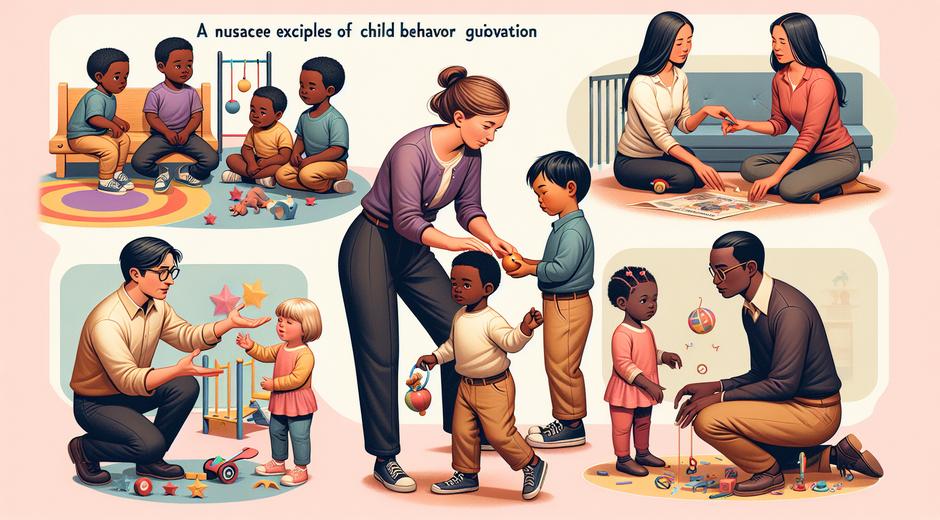
Children open up when they feel emotionally safe. Start by naming feelings for your child and for yourself. Use simple phrases like I notice you seem quiet today or I see you are feeling unsure. Validate what they feel without pressuring them to perform. Helping shy kids means giving them predictable routines, calm responses, and clear expectations so they do not waste energy on anxiety.
Model gentle social behavior. Let your child watch you make small talk with neighbors or thank a cashier. Narrate the steps you take when you speak to someone new. This slow exposure shows the child that social interaction is ordinary and manageable.
Slow Exposure and Gentle Challenges
Helping shy kids requires balancing protection and gentle challenge. Too much pressure makes anxiety worse. Too much sheltering limits growth. Introduce small new experiences that are within reach. For example, invite one peer over for a short play session rather than taking them to a large birthday party. Gradually increase the length of time and the number of people as the child shows comfort.
Use the term brave instead of confident to avoid setting unrealistic expectations. Praise effort and curiosity rather than outcome. Saying I like how you tried to greet him today helps the child focus on steps rather than perfection.
Build Social Skills Through Play
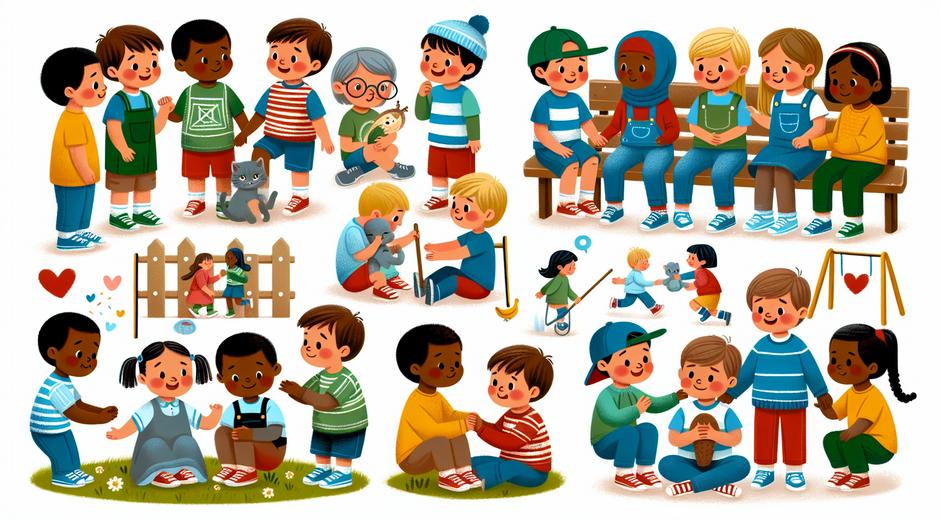
Play is the most natural way children learn social rules. Plan activities that encourage cooperation and shared focus. Simple board games, building projects, or pretend play create opportunities to practice taking turns, asking questions, and reading body language. Parents can coach by whispering prompts like What game should we play next or Can you show her how to add a block. This backstage support helps the child feel safe while trying new interactions.
Role play can be especially effective. Practice entering a group, asking to join a game, or introducing oneself. Use playful scenarios to rehearse words and gestures. Helping shy kids with short scripts removes the pressure to invent the right thing to say in the moment.
School Support and Teacher Partnerships
Work with teachers to create a consistent approach between home and school. Share strategies that work at home and ask the teacher to use similar language. Small adjustments in the classroom can make a big difference. Suggestions include seating near a friendly buddy, structured group activities, or giving the child a small leadership task to build mastery.
Inform teachers about triggers and coping tools. If a child prefers hand signals to get attention or a quiet corner to recharge, those accommodations can reduce overwhelm while still encouraging participation. Helping shy kids at school means communicating clearly and keeping the focus on growth rather than labels.
Practical Scripts and Short Phrases to Use
Children benefit from knowing exact words to say. These small scripts can be practiced and then used when needed.
Simple greeting script I like your dinosaur Can I play too For joining in I can pass the ball to you Would you like to build with me For requesting help Can you show me how You can teach these lines in a playful way so they become comfortable responses rather than rehearsed speeches.
Daily Habits to Boost Confidence
Confidence grows from daily routines and small successes. Create opportunities for the child to experience mastery. Assign age appropriate responsibilities like setting a snack plate or feeding a pet. Celebrate completion and perseverance. Regular physical activity such as a family walk or backyard games helps reduce stress and improves mood.
Reading together is another powerful habit. Choose books with characters who learn to face fears and make friends. Discuss the choices characters make and how they overcome hesitation. Helping shy kids through stories offers safe distance to explore feelings and solutions.
Use Natural Outdoor Play and Community Resources
Outdoor settings often feel less intense than crowded indoor spaces. Nature play invites exploration and shared focus without the pressure of constant eye contact. Visiting a local park for a scavenger hunt or joining a small community gardening project can create gentle social bonding around a shared activity. For ideas on eco friendly toys and tools that support outdoor learning visit Ecoglobalo.com to find products that encourage curiosity and cooperative play.
When to Seek Professional Help
Most shy behavior improves with time and supportive practice. However if shyness is severe and prevents school attendance or daily activities or if it is accompanied by intense panic or self harm thoughts then professional guidance is needed. A child psychologist or counselor who specializes in childhood anxiety can offer tools such as cognitive behavioral techniques and parent coaching to move progress forward.
Early intervention matters. The sooner skills are built the easier it is for the child to enjoy friendships and learning. If you notice your child withdrawing from activities they once enjoyed or losing skills then consult a professional.
Tips for Parents to Stay Calm and Consistent
Children pick up parental emotions. When parents stay calm and consistent the child feels more secure. Practice self care and enlist your support network so you can respond with patience. Keep routines steady and celebrate small wins. Share progress with trusted friends to receive encouragement.
Remember that helping shy kids is a marathon not a sprint. Small daily practices add up. Take photographs of smiling moments and keep a journal of social wins to remind yourself and your child of progress over time.
Resources and Next Steps
If you are looking for more parenting ideas that focus on building confidence and social skills explore our site for articles and activity guides. For a wide range of practical tips and easy routines visit coolparentingtips.com where you will find articles organized by age and theme to support everyday family life.
Conclusion
Helping shy kids means creating a patient and steady path toward social comfort. Use small exposures, role play, play based learning, school partnerships, and daily habits to build skills. Validate feelings and celebrate effort. With the right mix of encouragement and structure most shy children grow into confident communicators who use their careful nature as a strength.