

Teaching Accountability: A Parent Guide to Raising Responsible Kids
Teaching Accountability is one of the most powerful gifts a parent can give a child. Accountability builds trust confidence and the ability to face challenges with honesty and resilience. This article offers practical strategies that work for toddlers school age children and teens. You will find clear steps to model accountability set expectations create routines and resolve setbacks in a way that strengthens relationships and prepares children for adult life.
Why Teaching Accountability Matters
When parents focus on Teaching Accountability children learn to own their actions and understand the link between choices and outcomes. This skill supports academic success emotional stability and better social connections. Children who practice accountability are more likely to solve problems seek help when needed and recover from mistakes rather than hide from them. In short Teaching Accountability supports long term well being and independence.
Core Principles to Emphasize
Start with a few guiding principles that are easy to remember and apply across situations. Be consistent with expectations. Be calm when discussing mistakes. Show empathy while holding children to clear standards. Celebrate effort and learning not perfection. Use age appropriate language so the idea of responsibility feels achievable rather than overwhelming. These principles help you build a positive pattern around Teaching Accountability.
Model Accountability Every Day
Children learn more from what adults do than from what adults say. Model accountability by admitting your own mistakes and showing how you fix them. If you miss a commitment apologize and explain your plan to do better next time. When you demonstrate calm problem solving you give a living example of the skill you want to teach. This builds trust and shows that accountability is a normal part of life not a punishment.
Set Clear Expectations and Natural Consequences
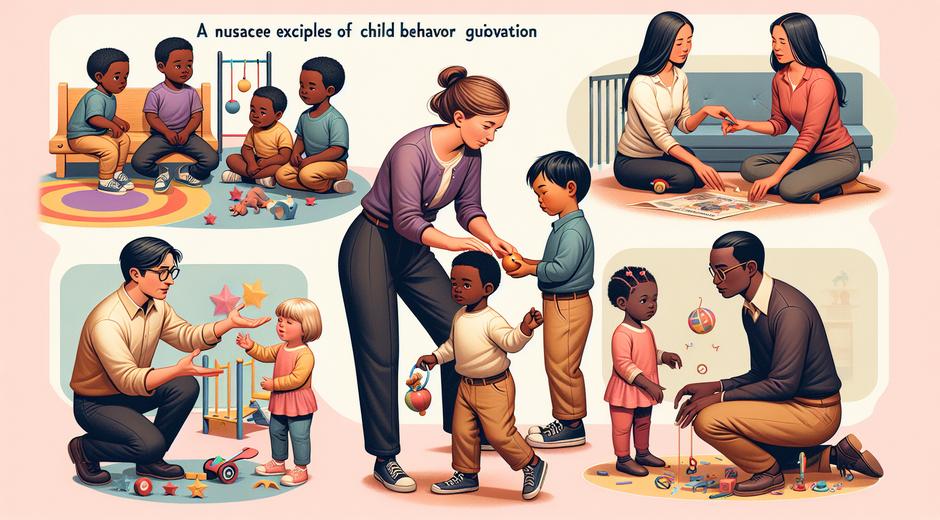
Make expectations specific and realistic. Instead of saying do your best say set your plate on the table when you finish eating. Use natural consequences that connect directly to the action. If a child forgets a permission slip the natural consequence might be missing a fun class event rather than losing screen time for a long period. When consequences are closely linked to the behavior children learn the cause and effect that underpins true accountability.
Create Routines and Tools That Support Practice
Routines reduce friction and make accountability part of the daily rhythm. Morning checklists chore charts and shared calendars help children track tasks and commitments. Use visual cues for younger children and simple digital tools for older kids. Encourage self review at the end of the day so children can reflect on what went well and what they will improve tomorrow. You can find helpful tips and ideas at coolparentingtips.com when you want more examples for every stage of childhood.
Teach Problem Solving Not Blame
When mistakes happen guide children through five calm steps. Notice the problem. Name what went wrong. Decide on a fix. Try the fix. Reflect on what was learned. This step by step focus on solutions removes the shame that makes kids hide mistakes. Teaching Accountability in this way builds confidence because children gain tools to fix situations on their own.
Use Praise That Reinforces Responsibility
Praise effort planning and honesty rather than talent. Say I appreciate how you told the teacher about the accident or I noticed how you planned your homework time. This type of feedback links behavior to outcome and strengthens the habit of taking responsibility. Avoid praise that rewards only results because children need to see that owning the process matters even when outcomes vary.
Age Appropriate Strategies
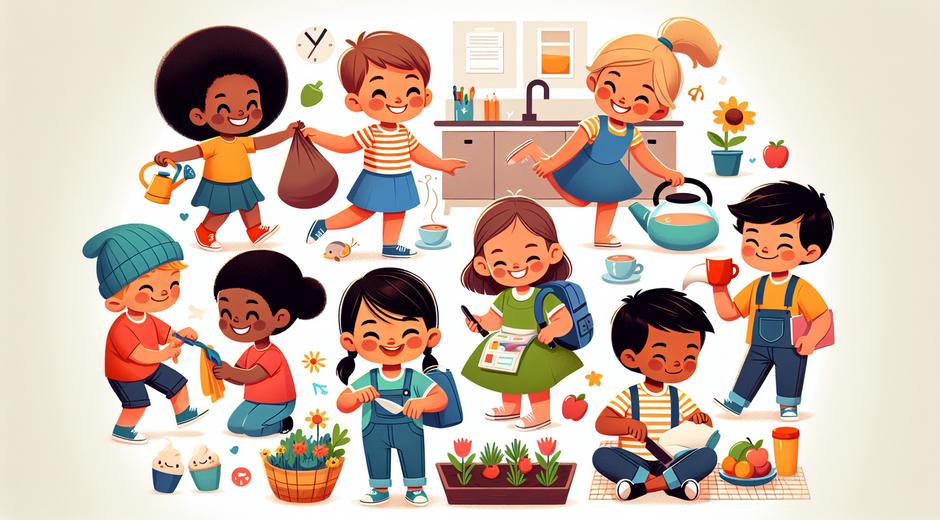
For young children keep expectations simple and concrete. Use pick up time clean up time or library book time as small practice moments. For school age children introduce responsibility for personal items and basic tasks like packing a backpack or preparing a simple snack. For teenagers focus on larger commitments such as meeting academic deadlines managing a budget or holding a part time job. Gradually increase autonomy while keeping clear check in points that support success.
Communicate with Empathy
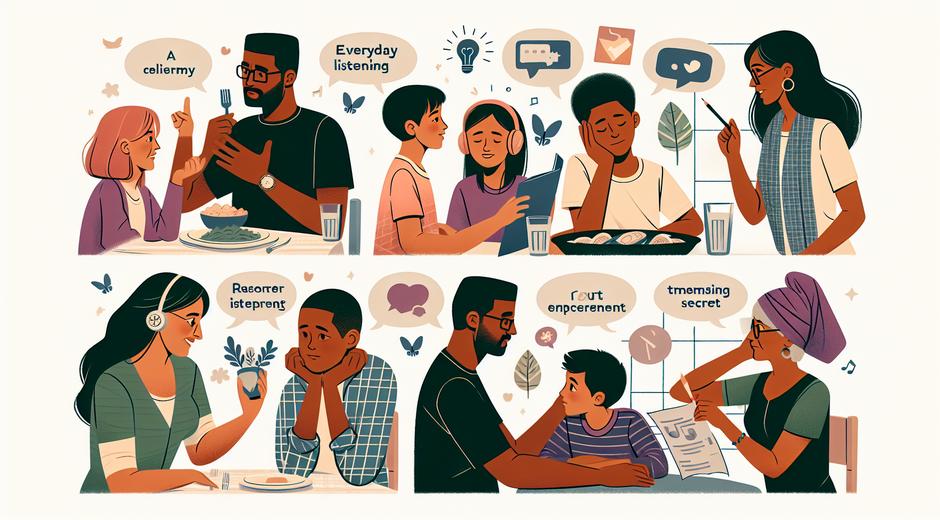
Accountability feels safe when communication is respectful. Use open ended questions and listen more than you speak. Ask what happened and what they think might help next time. When children feel heard they are more likely to accept responsibility. Keep consequences consistent but explain the reason behind them so children understand you are guiding them not punishing them.
Track Progress and Adjust
Use short term goals to sustain momentum. Track progress weekly and celebrate milestones. If patterns of avoidance continue dig deeper to check for underlying issues such as anxiety learning difficulties or social stress. Teaching Accountability works best when it is matched to a child strength level and motivation. Be willing to adapt the approach as your child grows.
Common Challenges and How to Handle Them
Resistance is normal. When children push back stay calm and consistent. Avoid power struggles by offering choices and small consequences. If honesty is an issue gently emphasize that admitting a mistake often leads to better solutions than hiding it. Repetition is part of learning so expect setbacks and treat them as practice. If you see persistent avoidance seek support from a teacher counselor or pediatrician to rule out learning or emotional factors.
Use Technology Wisely
Apps and timers can help older children manage tasks and deadlines. Use digital tools that encourage reflection and self monitoring rather than only imposing limits. Technology can support Teaching Accountability by creating reminders tracking progress and fostering independent planning. Select tools that match your child needs and combine digital reminders with face to face check ins for best results.
When to Seek Extra Help
If accountability remains difficult despite steady effort or if behavior creates serious school or relationship problems ask for help. Teachers counselors and pediatric professionals can provide strategies tailored to your child profile. Early support prevents small patterns from becoming entrenched. Parents who seek help model proactive responsibility which reinforces the message behind Teaching Accountability.
Conclusion and Next Steps
Teaching Accountability is a long term family project that pays off in trust independence and emotional strength. Start with clear expectations model the behavior provide tools and praise honest efforts. Keep communication calm and empathetic and adjust your approach as your child grows. For creative activities and printable charts to support routines visit GamingNewsHead.com and explore ideas that can make practice fun and engaging for kids. With patience consistency and the right supports you will help your child become a responsible confident adult ready to take on life challenges.