

Child Problem Solving: A Parent Guide to Growing Confident Thinkers
Why Child Problem Solving Matters
Teaching Child Problem Solving is one of the most effective ways to help children grow into confident adults who can handle life with calm and creativity. When a child learns to think through a challenge, break it into parts, and try solutions, they build skills that boost learning at school, strengthen relationships, and support emotional health. Parents who focus on problem solving give their child a lifelong tool kit that adapts to school projects, social conflicts, and everyday tasks.
Core Principles of Teaching Child Problem Solving
There are simple principles that make teaching effective. First, model the thinking process. Talk through how you decide what to do when you face a home task or a scheduling issue. Second, encourage exploration by offering choices rather than giving all answers. Third, create a safe environment where mistakes are treated as learning chances. Fourth, celebrate effort as much as outcome so your child learns persistence.
A Step by Step Method to Use Daily
Use this easy method to guide a child through a real problem. It fits into everyday moments like getting dressed, sharing toys, or finishing homework.
- Name the problem. Help the child say what is going wrong in a few words.
- Gather ideas. Brainstorm several possible ways to solve the problem. No idea is rejected at this stage.
- Pick a plan. Let the child choose one idea to try. Offer your input but let the child lead when possible.
- Try it out. Support the child as they put the plan into action.
- Reflect and adjust. Talk about what worked and what did not and try another idea if needed.
Using this routine often makes the steps feel natural and builds independence over time. If you want more structured ideas and free printable charts to track progress visit coolparentingtips.com for tools and guides that fit many home routines.
Age Specific Tips for Child Problem Solving
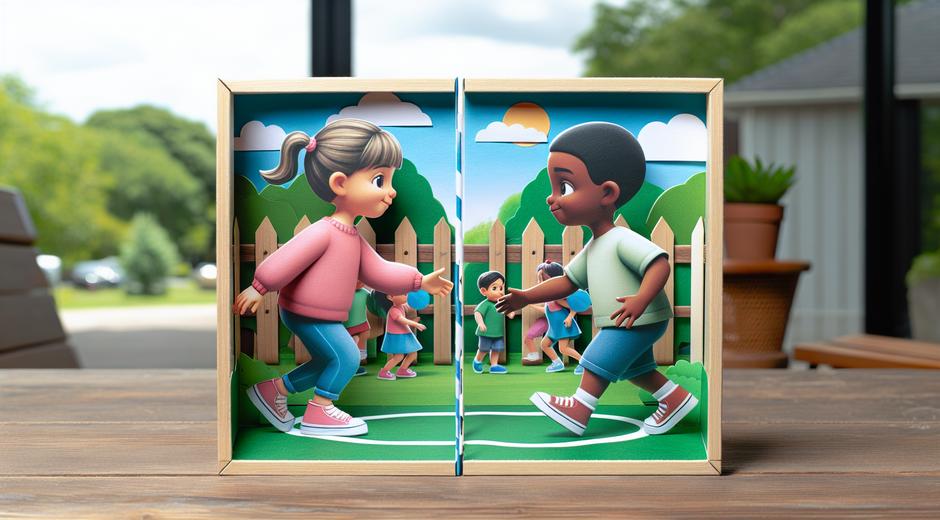
Different ages need different approaches. For toddlers focus on choice and language. Offer two safe options so the child practices decision making. For preschoolers use short role play games that mimic sharing and turn taking. For school age children introduce simple planning tasks like making a snack or packing a bag. For early teens allow more complex challenges such as resolving a conflict with a friend and working through the steps over several conversations.
Games and Activities That Build Skills
Playful activities make learning fun and sticky. Puzzles and building toys develop spatial thinking and planning. Board games teach patience strategy and rule following. Storytelling activities where you pause and ask the child how a character should solve a problem build empathy and creative thinking. Simple real life tasks such as cooking a recipe or planning a short family outing require sequencing and decision making. These real tasks are especially powerful because they show direct benefits to the child.
How to Support the Emotional Side
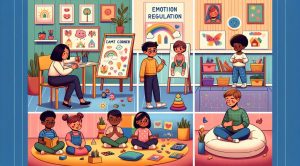
Problem solving is not only about thinking. Children need help naming emotions and managing frustration. When a child gets stuck they may feel shame or worry about being wrong. Use calm language and acknowledge feelings before moving into a solution. Say things like I see you feel upset about this. That helps the child feel heard and opens space for thinking. Teach breathing or short physical breaks to reduce tension. Emotional support makes the thinking part more effective.
What to Avoid When Teaching Problem Solving
Avoid doing the work for the child or immediately stepping in to fix every issue. That prevents skill growth. Also avoid shaming language or putting pressure on quick success. If a child fears failure they will avoid trying new ideas. Finally avoid giving only one correct answer every time. Variety builds creativity and resilience.
Measuring Progress Without Pressure
Progress shows up as how a child approaches new tasks rather than how perfect their solutions are. Notice and praise attempts to plan or think aloud. Track milestones such as choosing a solution independently or returning to a plan after it did not work. Keep a simple checklist or a short journal to record wins. These records help you see steady growth and guide your next steps.
Troubleshooting Common Challenges
Some children resist structured steps or become distracted. If a child seems bored make tasks more relevant to their interests or shorten sessions into small parts. If a child becomes anxious provide extra reassurance and focus on tiny goals. If teamwork is a problem practice cooperative tasks with clear roles. For persistent or intense struggles consider seeking advice from a professional who specializes in child learning and behavior. For vetted resources and tools that professionals recommend check a trusted partner resource like Fixolix.com for additional materials and guides.
Building a Supportive Home Environment
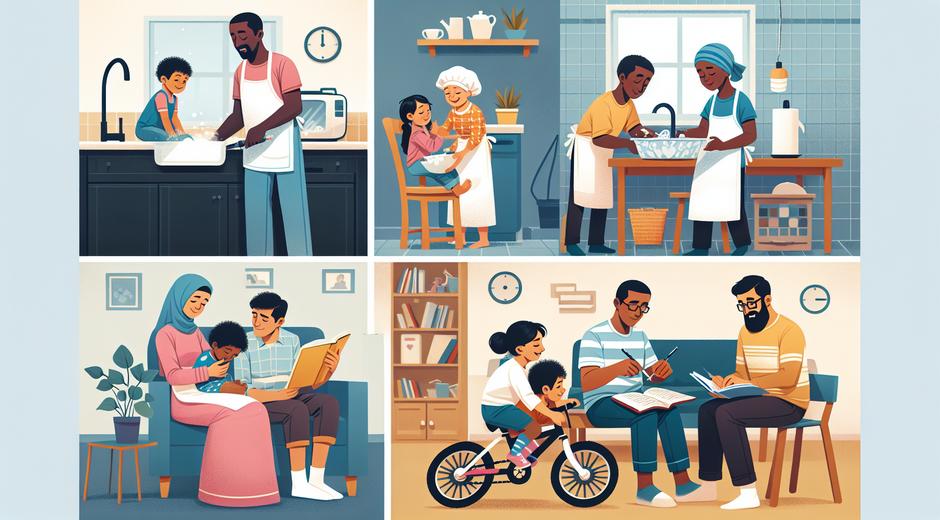
Home routines that promote problem solving include predictable schedules and consistent responses to common problems. Keep materials such as simple tools paper and crayons within reach so children can prototype ideas. Use family meetings to tackle shared challenges and let children contribute ideas and follow through. A household culture that values curiosity questions and trial makes learning feel natural and rewarding.
Final Thoughts and Next Steps
Child Problem Solving is at the heart of lifelong learning. With simple routines clear support and a safe space to try ideas your child will build the confidence to handle school tasks social moments and everyday choices. Start small and be patient. Offer choices model thinking encourage reflection and celebrate effort. Over time your child will become a creative thinker who trusts their ability to solve new problems.
For more practical tips and ongoing guides to parent led skill building visit the resource center on the site listed earlier. Put the steps into practice this week by picking one daily problem to solve together and notice how the process grows confidence and curiosity.