

Helping Kids Emotions: A Practical Guide for Parents
Understanding and supporting feelings is one of the most important tasks a parent can take on. Helping Kids Emotions is not a single moment of advice. It is a consistent set of skills parents use to support children as they grow, learn and relate to others. This guide shares clear steps, everyday practices and gentle activities you can use right away to help your child feel seen and gain emotional tools that last a lifetime.
Why Helping Kids Emotions Matters
Emotional intelligence shapes how children face challenges, make friends and manage stress. When you focus on Helping Kids Emotions you offer more than comfort. You provide a foundation for learning, decision making and resilience. Children who learn to name their feelings and calm their bodies are more likely to do well in school and in social settings. They also form healthier relationships as teens and adults.
Common Emotional Challenges at Different Ages
Every age brings its own challenges. Toddlers often test boundaries while they feel big feelings without words. Elementary age children need help with friendship conflicts and managing frustration. Teens may struggle with identity and pressure from peers. Knowing what to expect helps you tailor your approach to Helping Kids Emotions at each stage.
For toddlers use simple labels like happy sad mad and tired to begin a feeling vocabulary. For school age children use role play and problem solving to practice coping skills. With teens focus on active listening and supporting independence while staying available for conversation.
Build Emotional Vocabulary
One of the first steps in Helping Kids Emotions is giving them words for what they feel. When a child can say anxious rather than acting out, you can coach them toward calm. Try these daily practices.
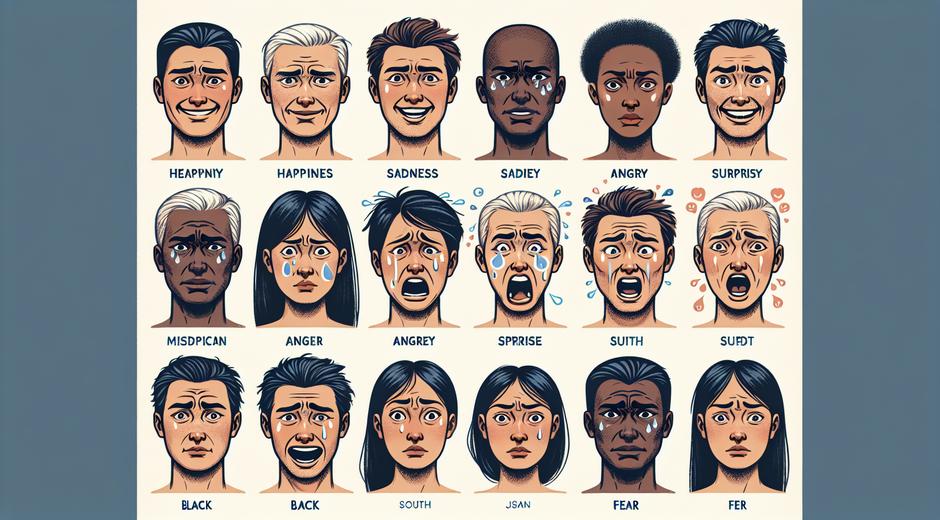
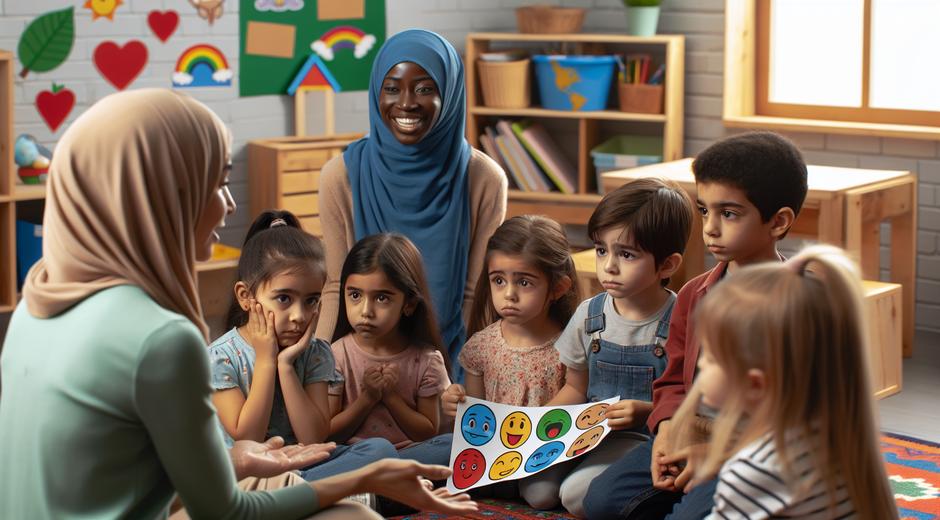
Describe feelings you see. Instead of saying stop crying say I see you are sad and I am here. Read stories and pause to name how characters might feel. Use drawings and play to act out emotions. Over time a richer feeling vocabulary makes intense states easier to manage.
Practice Active Listening and Validation
Validation does not mean you agree with a behavior. It means you acknowledge the feeling. A simple script helps. Try saying I hear you that feels really hard or That sounds frustrating. When children feel heard they are more likely to move from upset to calm. Active listening looks like eye contact gentle nods and repeating back what you heard in your own words. This approach is central to Helping Kids Emotions because it teaches self awareness and trust.
Teach Simple Calming Tools
Teaching a few calming techniques gives children reliable tools when emotions escalate. Practice them during calm moments so kids can use them when upset. Examples include slow belly breaths counting slowly to five squeezing a soft ball or guided imagery like pretending to blow up a balloon. Physical activities such as stretching a few minutes of movement or a short walk can also reset feelings. Use consistent language so the child knows these tools are part of Helping Kids Emotions routines.
Create Predictable Routines
Predictable daily rhythms reduce anxiety and make emotional regulation easier. Routines around sleep meals homework and family time create a sense of safety. When kids know what to expect they can manage transitions with less resistance. Include quiet check in time each day for conversation about highs and lows. This simple habit reinforces the work you do on Helping Kids Emotions.
Model Emotion Management
Children learn by watching. Your calm response to stress teaches them how to respond. When you admit your feelings and show how you calm yourself you model healthy habits. You might say I am frustrated and I need two minutes to breathe then show a breathing exercise. Modeling also means apologizing when you make mistakes. That shows children that emotions are part of life and change is possible.
Use Play and Creative Activities
Play is a natural way children express feelings. Puppet play drawing or storytelling lets kids explore emotions without pressure. Try creating a feelings box with cards that name and picture different emotions. You can also use music and movement to help children shift moods. These activities are joyful ways of Helping Kids Emotions and they strengthen connection as well.
Support Social Skills and Conflict Resolution
Friendship difficulties are a frequent source of upset. Role play common scenarios and practice simple scripts: I feel upset when you grab my toy then ask for a solution. Teach children to use I statements and to ask for help from an adult when needed. Encouraging turn taking and cooperative play builds confidence and reduces conflicts that can lead to big feelings.
Recognize When to Seek Extra Support
Most emotional growth happens at home with consistent support. Some children however may show prolonged sadness extreme avoidance of activities or behavior that harms themselves or others. If emotions interfere with daily life consider seeking input from a pediatrician counselor or school professional. Early support can prevent small problems from becoming bigger. For resources on family wellbeing and to learn more about professional options you may find helpful content at BodyWellnessGroup.com.
Practical Daily Steps You Can Start Today
1 Create a feelings corner with a comfy seat and soothing items like a soft toy or calming jar. 2 Use a daily check in question at dinner such as What was one thing that made you feel proud today and What was one thing that made you feel upset. 3 Celebrate small successes in emotion regulation. Praise effort rather than outcome with phrases like I noticed you used your breathing that was helpful. 4 Be consistent with consequences and keep them brief respectful and related to the behavior. These steps help build momentum in Helping Kids Emotions.
How to Talk About Big Events and Stress
When families face changes such as moving a job change illness or a new sibling children need clear honest information. Use age appropriate language and allow questions. Validate reactions and keep routines steady. If a child feels guilty anxious or angry about a change reassure them that feelings are normal and you will work through them together. This steady presence is at the core of Helping Kids Emotions during hard times.
Resources and Ongoing Learning
Parenting is a journey and learning continues. Reliable resources include books podcasts parenting classes and professional consultations. For articles tips and a community of ideas visit coolparentingtips.com to explore practical content focused on daily parenting skills. Regularly reviewing new techniques helps you adapt as your child grows.
Conclusion
Helping Kids Emotions is an investment in your child future wellbeing. The tools you teach now shape their ability to face challenges communicate clearly and build meaningful relationships. Start by naming feelings practicing calm strategies and creating predictable routines. Model emotional honesty and celebrate progress. With steady attention and small daily habits you can help children grow into people who understand their emotions and manage them with confidence.
Use the strategies in this guide as a foundation. Keep learning and be gentle with yourself as a parent. The most important ingredient is your presence and willingness to listen and respond with care. That is the single most powerful step in Helping Kids Emotions.