

Emotional Skills Kids: A Parent Guide to Growing Strong Feelings and Social Tools
Emotional Skills Kids is more than a phrase it is a focus for parents who want children to grow into confident caring adults. When parents teach emotional skills early children learn how to name feelings understand why they matter and use simple strategies to handle big emotions. This article explains why emotional skills matter offers a list of core skills to teach and provides easy everyday activities parents can try. Use these tips to create a calm supportive home where children practice feelings skills every day.
Why Emotional Skills Kids Matter for Life
Children who develop emotional skills are better able to cope with stress form healthy friendships and do well in school. Emotional skills support learning because a child who can calm themselves can focus on a task. Emotionally skilled children also show stronger social skills which helps them build friendships and work well with others. Teaching these skills now reduces conflicts later and gives children tools to manage challenges that will come at every stage of life.
Core Emotional Skills to Teach
Focus on a few key areas when you teach Emotional Skills Kids. These core skills are practical and can be woven into daily life.
- Self awareness Recognizing and naming feelings is the first step. Help children identify emotions in themselves by asking simple questions about how they feel during moments of calm.
- Emotion regulation Learning strategies to calm down or express feelings safely is essential. Teach breathing exercises counting methods and quiet time routines that work for your child.
- Empathy Understanding how others feel builds caring behavior. Model empathy by naming how someone else might feel and asking your child to imagine that feeling.
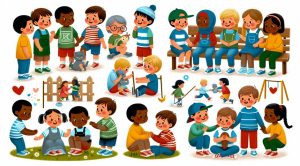
- Social skills Taking turns listening and asking questions are practical skills that help children get along with peers. Practice through play dates role play and group activities.
- Problem solving Help kids break problems into steps think of solutions and try one idea at a time. This reduces worry and builds confidence.
Daily Routines That Build Emotional Skills
Daily life is full of teachable moments. Small consistent routines help Emotional Skills Kids grow naturally without pressure.
- Morning check in Spend one or two minutes asking how your child feels today. Use simple words like happy sad tired or worried.
- Emotion naming games Turn feelings into a game with emotion cards or by reading a short story and asking which feelings the character shows.
- Calm down corner Create a cozy spot with a favorite stuffed toy a soft blanket and a simple breathing exercise chart. Visit the spot when emotions run high.
- Family reflection each night Share one thing that made everyone feel proud and one thing that was hard. Keep the tone gentle and supportive.
- Modeling Speak aloud about your own feelings and show healthy ways you handle them. Children learn more from what they see than what they hear.
Simple Activities to Teach Emotion Skills
Practical activities make learning emotional skills fun. Try activities that match your child age and interest and repeat them often.
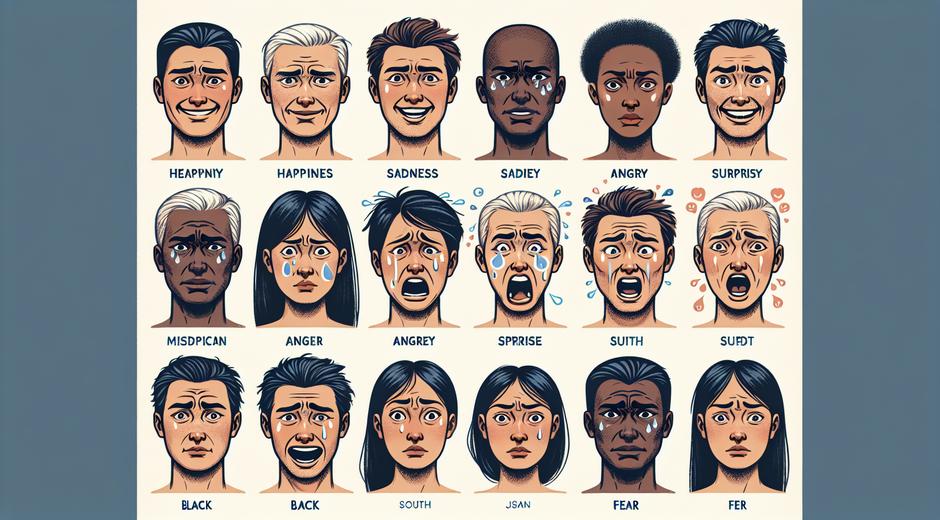
- Feelings chart Use pictures to connect faces with emotion words. Point to the chart during transitions like leaving home or starting school.
- Breathing buddies Lie down with a small toy on the belly and watch it rise and fall during slow breathing. This builds body awareness and calm.
- Role play common scenarios Practice saying no asking for help and managing playground disagreements through playful acting.
- Story time reflection After reading ask what the character felt and why. Invite your child to suggest a better solution for the character.
- Emotion drawing Give kids paper and crayons and ask them to draw a time they felt proud or scared. Talk about the drawing together.
How to Respond When Big Emotions Appear
Big emotions can feel overwhelming to both kids and parents. The way you respond in those moments teaches children how to handle similar situations in the future. Start by staying calm name the feeling and offer support without judgment. Use simple statements like I see you are feeling very upset. Would you like a hug or some time alone with your breath buddy. If behavior becomes unsafe set a clear gentle boundary and then return to a conversation when feelings are lower.
Supporting Different Ages and Steps
Age appropriate expectations matter when teaching Emotional Skills Kids. Toddlers need words for basic feelings and physical comfort. Preschoolers can learn simple calming tools and practice sharing. School age children are ready for empathy role play and basic problem solving. Teens need respect and chances to practice independence while still receiving guidance. Adapt your prompts and tools to match where your child is emotionally and developmentally.
Using Play and Creativity to Strengthen Skills
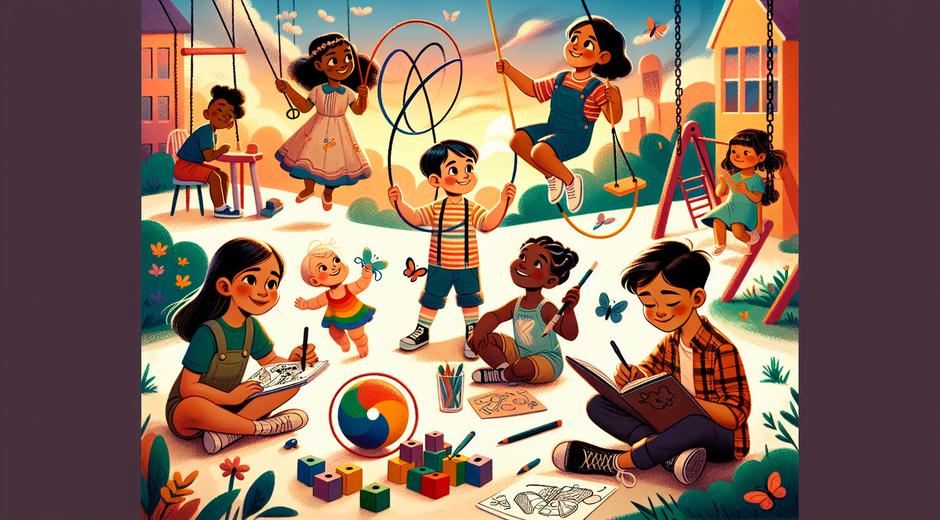
Play is a powerful way to teach emotional skills because it lowers resistance and invites exploration. Creative activities such as drawing storytelling and music help children express feelings they may not be able to say aloud. Consider regular sessions of creative play where emotion themes guide the activity. These sessions can be short and gentle and can lead to insights about what your child needs.
Resources for Parents and Teachers
Parents can use a range of resources from books to activity kits to guided play sessions. For hands on ideas and playful learning options visit a trusted resource like Museatime.com where you can find creative experiences that support emotional learning and early social skills. In addition you will find articles and tip sheets on sites that focus on parenting ideas and practical lessons for guiding emotions. For more tips about creating routines and simple daily practices visit coolparentingtips.com where you can explore many articles written for busy families.
Measuring Progress Without Pressure
Emotional growth is not a straight line. Look for small signs of progress like a child using a calming strategy asking for help or naming a feeling without tears. Celebrate these steps. Avoid comparing your child to peers. Consistent practice gentle coaching and clear routines are the keys to steady improvement. Keep a simple journal of moments when your child handled a feeling well. Over time you will see the pattern of growth.
When to Seek Extra Support
Most children respond well to consistent gentle coaching at home. If emotions become overwhelming or persist over weeks and interfere with daily life consider talking with a pediatrician school counselor or child therapist. Professionals can offer targeted strategies and support that complement home tools and help children build confidence more quickly.
Final Thoughts on Emotional Skills Kids
Teaching emotional skills is one of the best gifts a parent can give. With simple routines playful practice and patient guidance children learn to name manage and express feelings in healthy ways. This foundation supports academic success social connections and lifelong resilience. Start small add one activity at a time and celebrate each step. Emotional Skills Kids is a journey and every positive moment builds a stronger future.