

Kids Daily Structure: A Practical Guide for Busy Parents
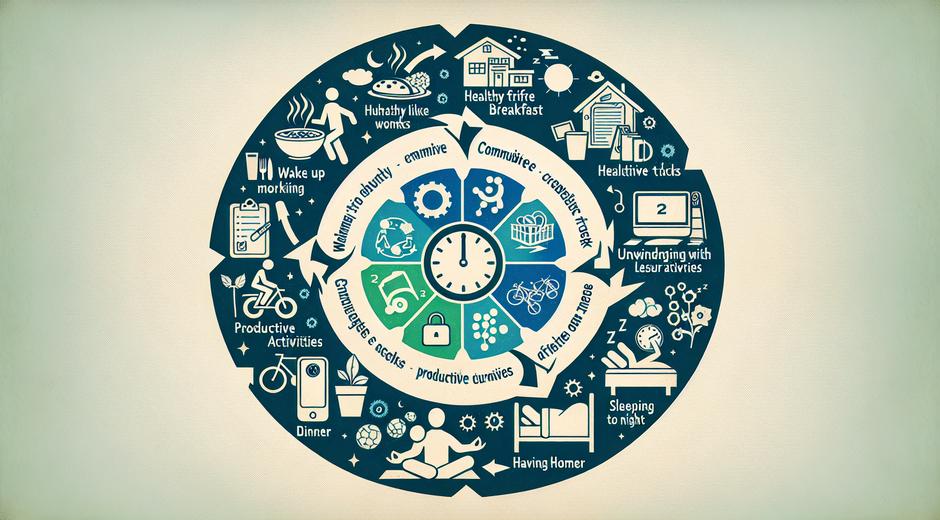
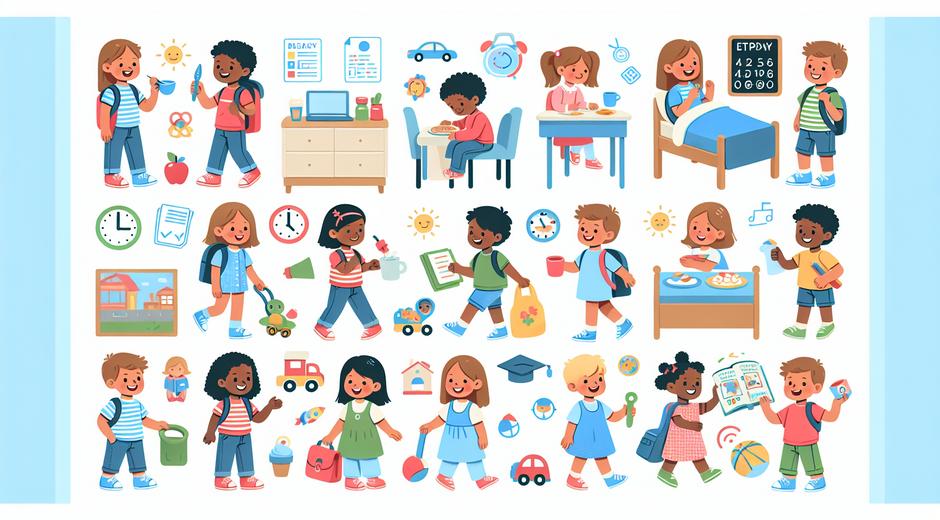
Establishing a clear Kids Daily Structure brings calm to chaotic mornings and grows healthy habits that last a lifetime. A predictable rhythm gives children a sense of safety, helps them manage emotions and makes transitions easier for the whole family. Whether you have a toddler who needs frequent naps or a school age child juggling activities and homework, a thoughtful daily plan reduces power struggles and supports steady development.
Why Kids Daily Structure Matters
A consistent routine builds emotional security and supports brain development. When children know what comes next they can shift attention more easily from one activity to another. This is especially true for younger children who process the world through routines. A strong Kids Daily Structure also helps parents model time management, prioritize sleep and plan healthy meals. Over time routines reduce stress for caregivers by creating predictable windows for work rest and play.
Core Elements of a Strong Daily Plan
A reliable daily plan includes a few key elements. Keep them simple and flexible so you can adjust to illness travel or special events without losing the overall flow.
- Morning ritual that includes wake up personal care and a nourishing breakfast
- Blocks of focused play or learning time that match your child age and energy level
- Consistent meal and snack times to regulate mood and energy
- Clear homework or quiet study period for school age children
- Planned outdoor activity or movement time every day
- Calm bedtime routine that promotes restful sleep
Designing a Morning Routine That Works
Mornings set the tone for the entire day. For older children consider a visual checklist they can follow independently. For younger children use songs or timers to make transitions fun. Pack backpacks and lay out clothes the night before to remove last minute stress. Keep the routine realistic so small successes build confidence. For a library of creative ideas and simple checklists visit coolparentingtips.com to find templates you can adapt for your family.
After School Flow and Homework Strategy
After school kids often arrive tired and hungry. Start with a healthy snack then offer a short period of free play to recharge. Set a predictable time for homework homework time can be right after snack or after a short outdoor break depending on your child temperament. Create a distraction free zone with necessary supplies close by. Use a timer for work bursts followed by short breaks to keep focus high. Praise effort rather than outcome to encourage persistence.
Meal Time and Snack Planning
Mealtime is a perfect moment for connection and for teaching routine. Aim for three balanced meals and two smaller snacks each day. Offer choices within boundaries so children learn decision making without overwhelming responsibility. Rotate a few family favorite recipes to speed dinner prep and involve children in simple tasks like rinsing vegetables or setting the table. Consider eco friendly eating gear when you travel or pack lunches to reduce waste and teach stewardship through example by visiting Ecoglobalo.com for useful options.
Managing Screen Time Within a Daily Framework
Screens can be powerful learning tools when used with intention. Define clear limits for recreational screen use and schedule it so it does not crowd out sleep physical activity or social time. Create tech free zones such as the table during meals and bedrooms at night. Encourage apps and videos that are interactive or educational and watch together when possible to build discussion and critical thinking skills.
Bedtime Routine for Restful Sleep
A calm bedtime routine signals the body to wind down. Aim for a consistent bedtime that allows sufficient hours of sleep for your child age. Include predictable steps such as a warm bath brushing teeth reading together and dim lights to cue the nervous system. Keep screens out of the bedroom at least one hour before sleep. Use soothing stories or soft music to make the transition easier. Consistent bedtimes lead to better mood attention and immune function.
Adapting Structure for Different Ages
Structure should grow with your child. Here are age tailored suggestions you can modify to fit your family daily life.
- Infants and very young toddlers need frequent feeding and nap cycles with calm transitions between activities
- Preschool children thrive with play based learning snack times and short structured activities that last ten to twenty minutes
- School age children benefit from a trusted after school routine homework block and scheduled physical activity
- Teens need more autonomy so collaborate on a schedule that includes study free time social connection and adequate sleep
Tips for Consistency and Flexibility
Consistency is the backbone of any effective Kids Daily Structure yet it must include flexibility to handle real life. Use these practical tips to stay consistent while allowing for adaptation.
- Keep routines visible with charts or calendars so everyone knows the plan
- Use positive reinforcement like specific praise or small rewards for following the routine
- Plan a few simple contingency steps for sick days travel or big family events
- Review the routine weekly and adjust times or tasks that do not fit your current reality
Sample Daily Schedule You Can Customize
Below is a simple template to jump start your planning. Tailor the timing and activities to fit your family rhythm and commitments.
- Morning wake up hygiene and breakfast
- Mid morning learning or focused play session
- Lunch and quiet time or nap for younger children
- Outdoor play or physical activity in the afternoon
- Snack then homework or creative project
- Dinner family time and light household tasks for kids
- Bedtime routine with bath story and lights out
Measuring Success Without Pressure
Success looks different in every family. Instead of striving for perfection aim for progress. Observe how your child responds to the routine and note small wins like faster transitions calmer reactions or improved sleep. Invite children to share what helps them feel ready for the next part of the day. This builds ownership and increases cooperation.
When Routines Need Professional Support
Some children struggle despite consistent routines due to sensory processing attention or mood challenges. If you notice persistent difficulty with sleep extreme resistance to daily activities or behavior that interferes with learning consult your pediatrician or a qualified specialist. Early support can make routines more effective and reduce family stress.
Final Thoughts
Building a thoughtful Kids Daily Structure takes time and patience but yields big returns for family wellbeing. Start small focus on the few areas that cause the most daily friction and build from there. With clear expectations and a flexible mindset your routine will support learning healthy habits and stronger family connection. For more practical tools simple charts and activity ideas explore helpful resources on coolparentingtips.com and consider eco friendly supplies and travel gear at Ecoglobalo.com to make routine life easier and more sustainable.