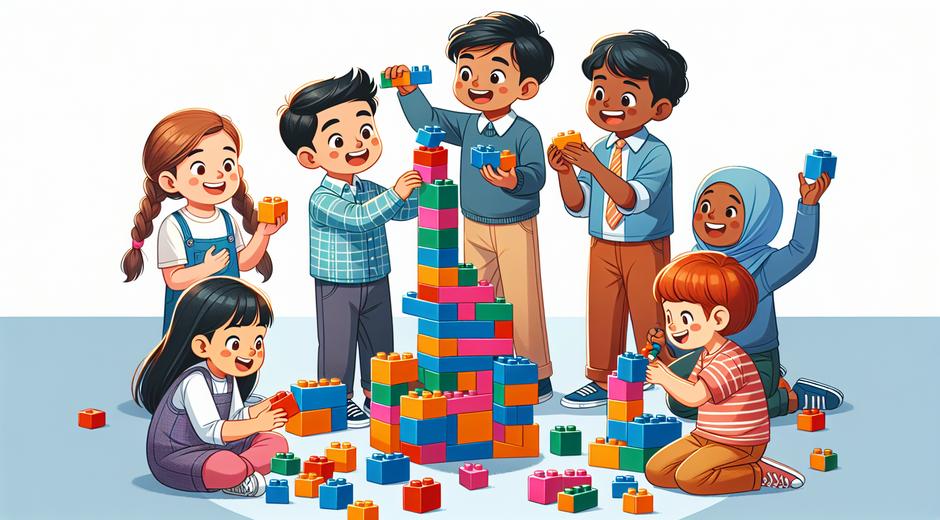


Kids Emotional Support
Providing reliable and consistent Kids Emotional Support is one of the most important tasks a parent can take on. Children who receive the right emotional guidance learn to regulate feelings cope with new challenges and form healthy relationships. This article explores practical strategies to strengthen your child emotional health at home and at school while offering expert tips you can use today.
Why Kids Emotional Support Matters
Emotional support for kids builds a foundation for confidence social skills and long term mental stability. When children feel understood they are more likely to express their needs ask for help and try new things without fear. Early emotional guidance reduces anxiety improves concentration and boosts academic performance. Parents who focus on emotional learning give their children tools that last a lifetime.
Recognize Signs Your Child Needs Extra Support
Knowing when to step in is key. Watch for changes in sleep appetite behavior or school performance. A child who becomes withdrawn loses interest in hobbies or shows sudden mood swings may be asking for help in ways that are not spoken. Physical complaints like stomach aches or headaches can also mask emotional distress. Observing patterns and keeping open lines of conversation will help you act early.
Core Principles to Guide Your Support
Start with these guiding ideas and build daily habits that reinforce emotional safety.
- Active listening is more than hearing words. Take time to reflect feelings and ask gentle questions.
- Validation matters. Acknowledge feelings even when you set limits on behavior.
- Model emotion regulation. Children learn by watching how adults manage stress and disappointment.
- Consistency creates trust. Predictable routines and calm responses help children feel safe.
Practical Steps for Everyday Care
Use simple routines and tools to make emotional support part of daily life. Start with a check in each morning or evening where you ask open ended questions about feelings. Create a calm corner at home where your child can breathe read or use sensory toys to unwind. Teach basic coping skills like deep breathing counting or guided imagery. Practice these skills together until they become natural for both child and parent.
Age Based Approaches
Support strategies should match your child developmental stage. For young children use play to name feelings and tell short stories that show healthy ways to solve problems. For school age kids encourage journaling role play and simple problem solving steps. With teens focus on respect privacy and open dialogue. Let them know you are available without forcing conversation. Each stage needs patience and gradual empowerment to help children build independence.
How to Build Emotional Vocabulary
Kids need words to explain feelings. Introduce feeling words during calm moments and link them to situations. Books and media are powerful tools to show emotions in context. When a story shows a character who is nervous or proud discuss what the character might do next. The more words a child has for feeling the easier it becomes to ask for help or explain a need.
Support at School and in Social Settings
Emotional support extends beyond the home. Partner with teachers and caregivers to create consistent expectations and responses. Share coping strategies that work at home and ask teachers to reinforce them. Encourage friendships by helping your child practice sharing listening and conflict resolution in low pressure settings. Social confidence grows when children have repeated safe experiences.
Use Technology Wisely
Technology can help your child learn about emotions but it can also increase stress when not managed. Choose quality apps and videos that teach emotional skills and limit passive screen time. Co view content and talk about how characters feel and why. Technology used thoughtfully becomes a resource for learning not a replacement for human connection.
When to Seek Professional Help
Some situations need outside support. If emotional challenges interfere with daily life cause ongoing fear or create safety concerns consult a mental health professional. Therapists can offer child focused techniques play based therapies and family guidance. Schools often have counselors who can provide resources and support plans. Seeking help early prevents small issues from becoming more serious.
Resources and Further Reading
Build a toolkit of books local support groups and online resources. For practical parenting articles and quick tips bookmark trusted sites and follow experts who share evidence based advice. If you want a starting point for family focused tips visit coolparentingtips.com where you will find ideas on everyday routines communication games and more. For broader research and articles about child welfare and policy consider materials at Politicxy.com which often links to studies that shape public understanding of child mental health.
Daily Practices That Make a Big Difference
Small consistent actions add up faster than rare grand gestures. Make time for shared meals create predictable bedtimes and practice gratitude together. Use short mindfulness breaks as a family and celebrate successes small or large. Praise effort over outcome to build resilience and motivate your child to keep trying when tasks feel hard.
How to Talk About Big Feelings
When emotions run high keep your voice calm and your attention focused. Use simple language break problems into small steps and offer clear choices. Avoid shame and instead ask what would help next. Children learn to trust when they see adults manage stress without panic. Over time these moments teach problem solving and emotional strength.
Final Thoughts
Kids Emotional Support is a long term commitment that pays dividends in confidence connection and mental strength. By practicing active listening validating feelings and teaching coping skills you create a stable base for your child growth. Remember to partner with schools seek help when needed and use community resources to extend your support. The small daily steps you take now will shape how your child handles life tomorrow.