

Secure Attachment A Practical Guide for Parents
Secure attachment is the foundation of healthy emotional growth for children and a central goal for modern parenting. When a child feels safe and supported they develop confidence to explore the world form strong relationships and learn to manage stress. This article explains what secure attachment looks like why it matters and how parents and caregivers can foster it in daily life with simple reliable practices.
What is secure attachment and why it matters
Secure attachment forms when a child trusts that their caregiver will meet their needs for comfort support and safety. That trust grows through consistent responsive care. A securely attached child is more likely to show resilience better learning outcomes and positive social skills. Secure attachment supports emotional regulation empathy and the sense that relationships are a source of strength rather than threat.
Research in child development highlights how early attachment patterns influence later behavior and relationships. Secure attachment does not mean a child will never feel upset. It means the child learns to recover from stress with the help of trusted adults. Over time this experience becomes internalized and the child carries a stable expectation that others can be relied on.
Signs of secure attachment in children
Recognizing secure attachment helps parents know they are on the right path. Common signs include seeking comfort from a caregiver when upset and calming down after receiving comfort showing curiosity and exploration when a caregiver is present and returning or checking in with the caregiver during play. Securely attached children also show empathy and interest in others. These behaviors reveal that the child sees relationships as safe and supportive.
Everyday practices that build secure attachment
Secure attachment grows in the small moments. Parents can use predictable routines consistent responses and loving presence to build trust. Responding to a baby cry quickly and gently comforting a toddler when they are scared teaches the child that help is available. Listening attentively when a child talks matching the emotion they express and offering reassurance instead of dismissive comments helps the child learn emotional vocabulary and regulation skills.
To create a secure base try to be emotionally present during interactions. That means putting away distractions during key moments like mealtime bedtime and when a child is seeking comfort. Quality does not always require long blocks of time. Short moments of wholehearted attention repeated over time are powerful. For a range of practical ideas and age specific routines visit coolparentingtips.com for tips you can use today.
How to respond to distress in a way that builds trust
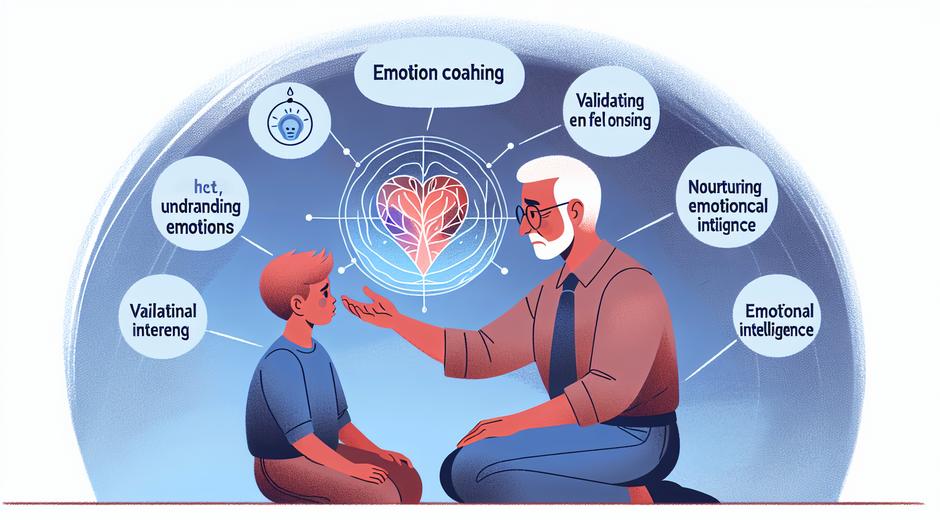
When a child is upset the goal is to soothe and to help them name what they feel. Start with calm presence and a gentle voice. Offer comfort and then reflect what you observe. For example say I see you are sad you miss your friend. This kind of response validates the child feeling and also teaches them language for inner states. Avoid telling the child to stop crying or to toughen up. Those messages can undermine trust.
It is also okay to set limits while staying emotionally attuned. For example if a child is frustrated about a rule acknowledge the feeling first then explain the limit. Saying I know you are angry we cannot climb on the table is more effective than saying No climbing now without any empathy. The child learns you can be both loving and firm and that limits are a safe part of caregiving.
Building secure attachment with older children
Secure attachment is just as important for school age children and adolescents. As children grow the form of connection evolves. Older children seek independence yet still need emotional support and availability. Parents can foster secure attachment by staying engaged in their child life respecting privacy while remaining available and maintaining open consistent lines of communication.
Try setting aside regular time to connect through conversation play or shared chores. Invite the child to express opinions and listen without immediate judgment. When conflicts arise focus on repair and understanding. Apologizing if you made a mistake and asking how to make things right models healthy relationship skills and reinforces that attachment is resilient and not fragile.
When attachment is insecure and how to respond
Some children show patterns that reflect insecure attachment. They may seem overly clingy avoidant or ambivalent in relationships. These patterns often stem from inconsistent caregiver responses or past stress. The good news is attachment can change. With patience consistent nurturing and sometimes professional support children can develop more secure patterns.
If you notice worrying patterns such as extreme fear of separation chronic withdrawal or repeated intense tantrums consider consulting a pediatrician or a child mental health professional. Many therapists specialize in attachment focused work and can recommend practical strategies to help both parent and child reestablish trust and safety.
Supporting your own capacity to be present
Parents need support too. A caregiver who is overwhelmed exhausted or emotionally unsupported will find it harder to respond consistently. Self care matters not as a luxury but as a parenting tool. Practical self care can include reaching out for help from friends family or local parenting groups maintaining restful sleep when possible and practicing simple stress management techniques like deep breathing or brief walks.
Learning to notice your own triggers and taking steps to regulate before responding can change interactions profoundly. If you feel yourself reacting strongly pause breathe and choose a calm response. Children learn regulation by mirroring powerful adult models. When a parent shows how to calm down the child learns the same skill.
Practical routines to reinforce secure attachment
Simple routines build predictability and trust. Bedtime rituals stories and cuddles consistent meal routines and predictable transitions help children feel secure. Use rituals to create moments for conversation connection and comfort. Even small rituals like a special goodbye gesture or a short bedtime check in become anchors of security.
Play is another powerful tool. Play invites shared joy and cooperation. Follow the child lead in play allow them to direct some activities and join with curiosity. Play invites attunement and gives parents a window into their child inner world. It is also a joyful way for both child and parent to practice connection.
Resources and next steps
Becoming the kind of caregiver who fosters secure attachment is a journey not a one time achievement. Educate yourself use community resources and seek support when needed. Online resources blogs and parenting groups can offer ideas and reassurance. For a resource that offers tools and programs for caregivers consider exploring Chronostual.com where you can find practical programs that align with attachment based approaches.
Finally remember that secure attachment grows through repeated acts of care. It is built in everyday moments of presence patience and emotional response. Showing up consistently even when you do not get it right every time sends a powerful message to your child. Over time those messages become the foundation for a lifetime of healthier relationships stronger emotional skills and deeper trust.
Summary key takeaways
Secure attachment is the result of consistent sensitive caregiving. It supports emotional resilience healthy social skills and strong future relationships. Parents and caregivers can foster secure attachment through responsive soothing clear predictable routines emotional presence and play. When challenges arise seek community support resources and professional guidance. Small steady practices repeated over time create lasting change for both child and family.