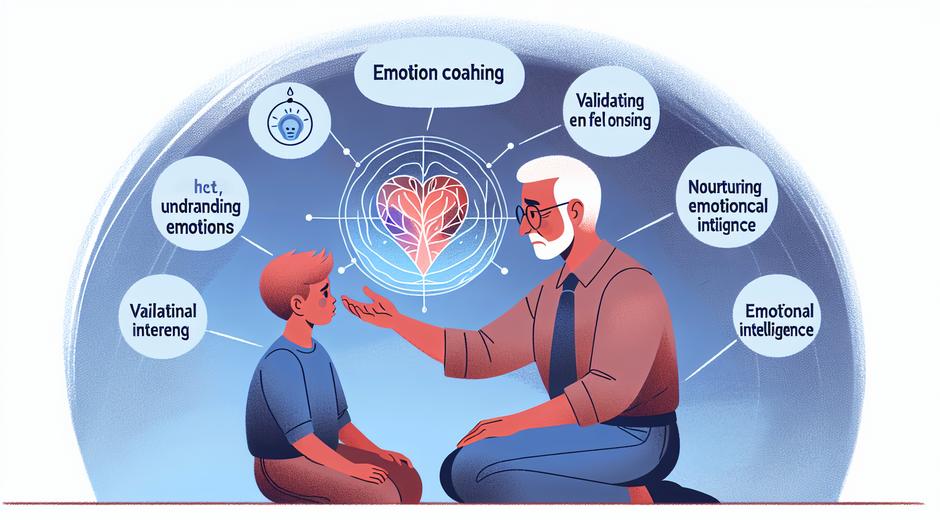


Emotion Modeling A Practical Guide for Parents
Emotion Modeling is a powerful way parents can shape a child’s emotional life by example. When adults show how to name feelings handle strong reactions and solve emotion driven problems in calm thoughtful ways children learn those skills faster than from lectures alone. This guide explores what Emotion Modeling is why it matters and how to practice it every day with practical examples that fit busy family life.
What Emotion Modeling Means for Families
At its core Emotion Modeling means demonstrating healthy emotion skills in real time. Instead of telling a child to calm down a parent might say I am feeling frustrated right now and then show a calm way to handle that feeling. Children pick up tone facial expressions body language and the verbal labels adults use. Over time those repeated cues build a mental map of how emotions work and how to manage them.
Emotion Modeling is not only about calm moments. It includes how a parent recovers from mistakes how a parent apologizes when they overreact and how they celebrate small wins. All of these moments teach children that emotions are manageable and that relationships can survive intense feeling.
Why Emotion Modeling Matters for Child Development
Research links strong emotion skills to better social success school readiness and long term mental health. Children who learn to recognize their feelings and respond with flexible strategies are more likely to form lasting friendships cope with frustration and bounce back after setbacks. Emotion Modeling offers a real world training ground for these skills by using everyday interactions as teachable moments.
When parents consistently model naming feelings and choosing constructive responses children internalize these habits. This process supports emotional intelligence which in turn supports decision making impulse control and the ability to read social cues. For parents who want to raise resilient empathetic children Emotion Modeling is one of the most efficient strategies available.
Simple Daily Practices for Emotion Modeling
Here are practical practices parents can try today. They require no special tools and fit into common routines.
Name feelings aloud When you or your child feels a strong emotion use a short clear label I feel sad I feel angry I feel excited. Naming feelings reduces their intensity and helps build emotional vocabulary.
Describe what you are doing Model coping moves in action I am taking a deep breath to calm down I am going to take a short pause and then come back to this. Seeing the steps makes them feel achievable.
Share brief explanations Without long lectures explain why you felt a certain way and what you will do next I felt upset because I dropped my cup I cleaned it up and I will be more careful next time. This shows problem solving in action.
Use repair language When you make a mistake apologize and describe the fix I am sorry I raised my voice I will try to speak more quietly. Children learn that mistakes can be fixed which reduces anxiety around failure.
Practice calm down routines Create a consistent short routine such as breathing counting or a cozy corner for settling down. Use the routine yourself and invite the child when needed. The routine is more effective when adults use it too.
Modeling in Tough Moments
Hard situations test Emotion Modeling the most. When a parent is overwhelmed it is tempting to act purely on feeling. Instead try these tips to keep modeling effective even under pressure.
Pause before responding A short pause gives your brain time to choose a response. Try counting slowly or placing a hand on your heart to signal self comfort.
Use short clear language In heated moments brief statements work best I am upset I need a moment. This keeps the interaction from escalating and models self awareness.
Follow up later If a moment went poorly follow up when calm to explain what happened and what you will do differently next time. This models accountability and recovery which are key components of emotion skill building.
Age Based Examples for Emotion Modeling
Different ages need different approaches. Here are examples by age group that keep modeling simple and effective.
Toddlers Use simple labels and short routines. Say I am sad and take a deep breath then offer a hug. Toddlers learn from tone facial cues and predictable steps.
School age Use slightly longer explanations and invite problem solving I feel frustrated because our craft fell apart what can we do next time. Encourage brainstorming and praise efforts.
Teens Focus on privacy respect and shared problem solving. Share your own feelings and coping strategies without lecturing I felt anxious about my meeting I went for a short walk to clear my head ask if they want support or space.
Using Stories Play and Routine to Reinforce Skills
Children learn through stories and play. Use books movies and role play to point out emotions and ask questions What do you think she felt when that happened What could he do next. Puppet play and emotion cards can make the process playful and safe.
Routines are natural scaffolds. Use mealtime or bedtime to check in with feelings. Ask What was one feeling you had today and how did you handle it. Praise their attempts and add your own example to normalize adult emotion work.
Technology Tools and Resources for Emotion Modeling
There are intelligent tools apps and online guides that can support Emotion Modeling by providing prompts tracking practice and offering child friendly activities. For curated tech suggestions and tool reviews visit Techtazz.com which highlights apps and gadgets that make emotion learning more interactive for families.
Use tech as a supplement not a replacement. An app can prompt a breathing exercise but the most powerful modeling comes from watching a trusted adult use that exercise in real life.
Common Mistakes and How to Avoid Them
Even well meaning parents can make missteps. Here are common traps and alternatives that keep Emotion Modeling constructive.
Over correcting Constantly telling a child how they should feel can backfire. Instead validate first then guide. I can see you are upset that makes sense then offer a strategy like taking three breaths.
Showing only calm Pretending to never feel intense emotion teaches kids that feeling is wrong. Instead model that feeling is normal and that healthy coping is the response.
Relying only on rules Rules alone do not teach how to manage feelings. Pair rules with visible strategies and explain the why behind them.
Measuring Progress and Celebrating Growth
Emotion skill growth is gradual and often subtle. Look for signs such as improved time to recover after upset greater willingness to try problem solving and more use of words for feelings. Celebrate these wins with specific praise I noticed you took deep breaths when you were mad that was a smart choice.
If you want more tips sample scripts and daily routines that fit real family life explore our resources at coolparentingtips.com for ideas that match different ages and family rhythms.
Final Thoughts on Emotion Modeling
Emotion Modeling is an accessible high impact strategy parents can use every day. It requires attention patience and a willingness to show vulnerability. When parents consistently name feelings model healthy coping and repair relationships they not only teach emotion skills they lay a foundation for empathy resilience and strong social bonds. Start small pick one routine one phrase and one calm down step and practice it daily. Over time those small efforts become the emotional instruction manual your child will carry into adulthood.