

Emotional Check Ins
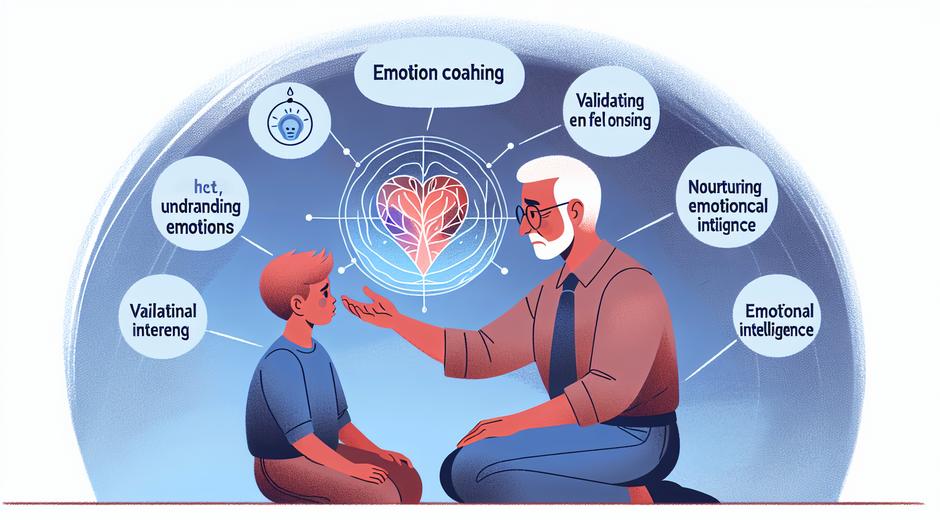
Emotional check ins are small intentional moments when caregivers connect with children to understand how they feel and to help them name emotions. These brief conversations build emotional intelligence, strengthen bonds and support healthy development. For busy families, learning to add emotional check ins into daily routines can make a big difference in how children manage stress and how families handle conflict.
What an Emotional Check In Is
An emotional check in is a simple question or invitation that helps a child identify and talk about their feelings. It does not need to be long. A check in can be a five minute talk at the kitchen table, a quiet moment in the car, or a bedtime ritual. The goal is to listen with openness and to validate feelings without rushing to fix things right away.
Why Emotional Check Ins Matter
Children who experience regular emotional check ins learn that their feelings are real and important. That validation reduces anxiety, builds trust and boosts emotional vocabulary. Over time children learn to self regulate, which improves focus at school and reduces acting out. Caregivers also benefit because regular check ins help prevent big blow ups by addressing small frustrations early.
How to Start Emotional Check Ins
Starting is easier than many caregivers expect. Begin with one intentional moment each day. Use open ended prompts that invite sharing. Examples include How was your heart today? What made you smile? What was hard for you today? Keep tone gentle and curious. If a child is reluctant, offer a visual aid like a feelings chart or a jar with color coded feelings cards. The key is consistency. Even five minutes a day can create meaningful change.
Tips for Different Ages
Emotional check ins look different as children grow. Here are age friendly ways to adapt them.
For toddlers, use simple labeling. Say I can see you are upset. You feel sad. Offer a hug and name the need, like You need comfort. For preschoolers, add choices and stories. Ask Did something happen that made you mad or sad? For school age children, invite more detail. Ask What part of your day felt tricky? For teens, respect privacy and offer low pressure options. Texting a check in message can be welcome. Try Something on your mind? I am here to listen when you want.
Language That Works
Choice of words shapes how safe children feel. Use validating language such as I hear you, That sounds really hard and It makes sense you would feel that way. Avoid minimizing phrases like It is not a big deal or You will get over it. Instead ask clarifying questions and reflect what you hear. If a child cannot find words, offer them. You can say You might be feeling frustrated or disappointed and see if they agree.
Integration Into Daily Life
Emotional check ins are most effective when they are part of routines. Try these easy places to add them.
Before school, ask How are you feeling about today? At dinner, invite a quick go around the table where each person shares one feeling word and one highlight. At bedtime, do a short review of feelings from the day. During car rides, use the time to notice energy levels and moods. These repeated moments help normalize emotional expression.
Practical Scripts You Can Use
Scripts can help when you are unsure what to say. Try these starters.
Tell me one good thing and one thing that was hard about your day. I noticed you were quiet today. Do you want to tell me about it? I felt you seemed upset after school. Do you want to talk now or later? These lines make it clear you see the feeling and you are available without pressure.
When Check Ins Need Extra Support
Sometimes feelings are bigger than what a brief check in can handle. If a child shows persistent sadness, anxiety that interferes with daily life, or repeated angry outbursts, consider consulting a professional. Extra support from a counselor or pediatrician can provide tools and a safe space to work through deeper issues. For caregiver resources and community advice, visit BusinessForumHub.com for practical articles and forum discussions that can help you find next steps.
Common Challenges and Solutions
Some caregivers worry that talking about emotions will make problems worse. The opposite is true. Naming feelings reduces their intensity and gives children tools to cope. If a child resists talking, honor their boundary and offer a choice. Say Would you rather draw how you feel or tell me in one minute? Another challenge is running out of time. Solve this by making check ins brief and routine so they fit easily into the day.
Measuring Progress
Progress often shows up as better communication and fewer sudden outbursts. You may notice a child who used to shut down beginning to ask for help. Look for changes in sleep, appetite and school behavior as signs of improved wellbeing. Keep track of what works and adjust tools as children grow. Sometimes small changes in language or timing produce big gains.
How Caregivers Can Model Emotional Health
Children learn emotion skills by watching adults. Model calm naming of your own feelings. Try statements like I am feeling stressed about this task. I will take a deep breath and come back in five minutes. Demonstrating healthy ways to cope teaches children how to respond in their own lives. Apologize openly when you make a mistake. That shows repair is part of relationships.
Tools That Support Emotional Check Ins
Visual aids and routines reinforce emotional learning. Feelings charts, mood wheels and emotion cards help children find words. Journals or art time create nonverbal outlets. Use small rituals like a feelings jar where family members drop a token labeled with a mood. These tools make emotions concrete and manageable for young minds. For more ideas on practical family routines and tips to build emotional habits, explore resources on coolparentingtips.com.
Final Thoughts
Emotional check ins are a simple high impact practice. They require intention more than time. When caregivers commit to gentle curiosity and steady validation, children learn that their inner world matters. This foundation supports resilience, improved relationships and stronger communication across the lifespan. Start small, stay consistent and celebrate the progress along the way.