

Family Rituals
Family rituals are simple repeated actions that give daily life shape and meaning. They are moments where connection is prioritized, values are passed along, and memories are formed. Whether you have toddlers or teenagers, creating and keeping rituals can transform ordinary days into a coherent family story. This article explores why family rituals matter, practical ideas you can start today, and tips to keep rituals resilient as your family grows.
Why Family Rituals Matter
Rituals anchor families in routines that create safety and predictability. Children feel secure when they know what to expect. Adults find grounding in small acts that mark time and intention. Rituals also build identity and culture for your family. Over time a ritual becomes more than the action itself. It becomes a language of love, a way to show care and to teach the behaviors you value most.
Research links rituals to improved emotional wellbeing across generations. Regular shared moments can reduce stress, improve communication, and strengthen attachment. Even brief daily rituals have outsized benefits. A consistent bedtime ritual can signal calming to a young brain. A weekly family meal invites conversation in a setting that supports active listening and mutual respect.
Daily Rituals That Fit Into Busy Lives
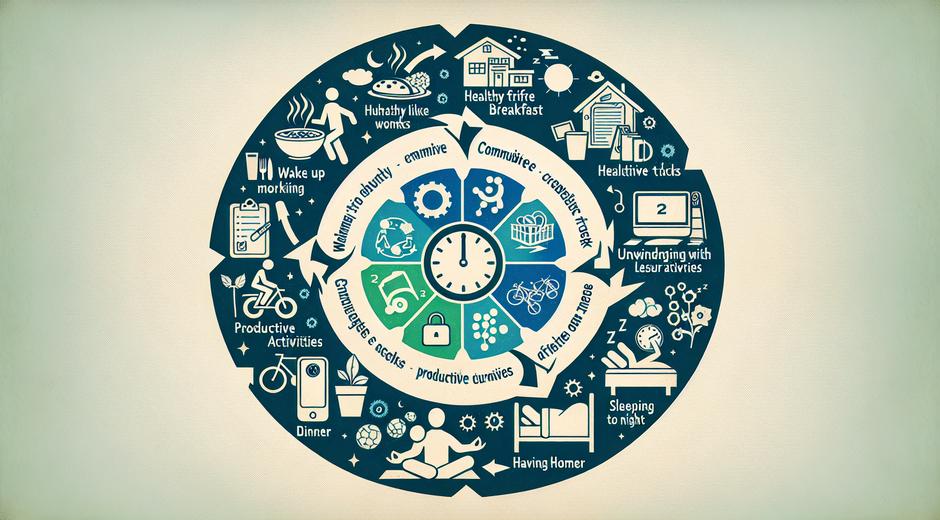
Daily rituals do not need to be elaborate. The most powerful ones are consistent and meaningful. Try these ideas that families of many sizes and schedules can adopt.
- Morning hello: A special greeting on waking for each family member. It can be a handshake, a hug, or three words you say to start the day.
- Shared breakfast moment: Even five minutes of eye contact and a check in about the day ahead improves connection.
- After school or work debrief: A short ritual where each person names one highlight and one challenge from their day.
- Bedtime ritual: Stories, song, or a short reflection that signals rest. Keep it predictable and calm.
Small rituals add up. If you are looking for more ideas and simple templates to adapt to your family, visit coolparentingtips.com where you will find collections of easy to use family friendly practices and seasonal suggestions.
Weekly and Monthly Rituals That Build Rhythm
Weekly rituals create a larger cadence that anchors the family week. Monthly rituals mark time in a way that helps children understand cycles and anticipate special events. Ideas include:
- Sunday planning session: A family meeting to organize schedules and share intentions for the week.
- Game night: Rotate choice so everyone feels included and excited.
- Volunteer afternoon: Once a month serve together in the community to teach empathy and civic responsibility.
- Family project day: Cook a meal together, plant a garden bed, or craft seasonal decorations.
These rituals are opportunities to practice teamwork and to pass along practical skills. They also create a shared archive of experiences that become family lore.
Seasonal and Special Occasion Rituals
Rituals tied to seasons and holidays help children learn about cultural traditions and family heritage. They also offer chances to innovate new rituals that reflect your family values. For example, at harvest time you might create a gratitude jar where everyone adds notes throughout the season to read on a special night. On birthdays, consider a ritual of sharing a memory and a wish for the year ahead.
If sustainability is part of your family value system, you can incorporate eco mindful rituals. Simple actions like a yearly clothing swap, a family clean up day in a local park, or learning to compost together teach responsibility while creating meaningful repetition. For practical ideas and resources on eco friendly family choices, explore Ecoglobalo.com which offers guides and tools that fit family life.
Rituals That Teach Values
Every ritual carries implicit lessons about how to live. Thoughtful design of rituals can help you teach kindness, gratitude, patience, and resilience. Consider rituals that make values explicit. For example, a weekly gratitude circle where each person names someone they appreciate promotes attention to others. A ritual of asking for forgiveness after a conflict models accountability and repair. Rituals that involve caring for household tasks together teach responsibility and mutual support.
When rituals align with your core family values they become more than a habit. They become a practice of the life you want to live together.
How to Start New Rituals
Begin with intention and simplicity. New rituals succeed when they are clear and manageable. Use these steps to get started.
- Choose one focus: Pick a single area like mealtime, bedtime, or weekend time to begin.
- Keep it short: Start with five to fifteen minutes so everyone can commit.
- Invite input: Let family members help design the ritual so they feel ownership.
- Set a cue: Use an action or a sound that signals the ritual is beginning.
- Be consistent: Repetition builds the neural pathways that make the ritual automatic.
Remember that rituals evolve. Allow flexibility and make adjustments as children grow or schedules change. The most important element is continuity and the message that you care enough to show up consistently.
Troubleshooting Common Challenges
Even well meant rituals can falter. Common obstacles include busy schedules, resistance from children, and parental burnout. Address these issues with compassion and creativity.
- Time pressure: Shorten the ritual rather than canceling it. Ten minutes of focused attention beats an hour of distracted presence.
- Resistance: Offer choices within the ritual. Choice increases cooperation.
- Inconsistency: Schedule rituals in a planner or set reminders so they are honored more often.
- Parental fatigue: Rotate responsibility so rituals do not fall on one person alone.
Use these moments as teaching opportunities about flexibility and compromise. Modeling how you adapt can itself be a valuable ritual for children to observe.
Measuring Impact and Keeping Rituals Alive
Rituals are practices not projects. Evaluate them not by perfection but by the quality of connection they create. Ask simple questions like: Does this bring us closer? Do we feel calmer or more joyful after this ritual? If the answer is yes most of the time, the ritual is working.
To keep rituals fresh, rotate small elements. Change a song, try a new recipe, or add a different question to your debrief. Celebrate milestones related to rituals to reinforce their importance. When a ritual reaches a decade or more, mark the milestone with a special ceremony that honors continuity.
Conclusion
Family rituals are accessible and powerful tools that cultivate belonging, pass on values, and create lasting memories. They do not require perfect execution or expensive materials. What matters most is intention and regularity. Start small, invite everyone into the design, and adjust as you go. Over time your rituals will become the scaffolding of family life, supporting each member through change and celebration. For ongoing practical ideas to adapt rituals to your daily life consult the curated collections at coolparentingtips.com and explore eco friendly practices at Ecoglobalo.com as you build traditions that last for generations.