

Cooperative Play A Parent Guide to Growing Social Skills
What is Cooperative Play and Why It Matters
Cooperative play is a stage of play where children interact with shared goals and roles while creating stories and solving problems together. Unlike parallel play where children play side by side without interaction, cooperative play involves communication negotiation and teamwork. This type of play helps children learn how to listen take turns plan ahead and manage emotions. For parents and caregivers who want to support strong social foundations cooperative play is a crucial focus.
Key Benefits of Cooperative Play
When children engage in cooperative play they develop many essential abilities. Social skills improve as children practice greeting peers asking for help and offering support. Language skills grow because children describe ideas negotiate roles and explain plans. Cognitive skills expand as children imagine scenarios follow rules and solve conflicts jointly. Emotional skills become stronger as children learn empathy patience and how to regulate frustration during disagreements. Long term studies link early cooperative experiences to better school adjustment and more stable friendships later in life.
Stages of Play to Expect
Children move through recognizable stages as they grow. Infants begin with solitary exploration. Toddlers often engage in parallel play. Preschoolers start to join peers in simple shared activities and by age four to five many children can plan roles and sustain a pretend scene together. These stages are guides not strict rules. Variations are normal and many children will move back and forth between stages depending on context personality and familiarity with playmates.
Practical Tips for Encouraging Cooperative Play
Creating environments that support cooperative play is something parents can do with small intentional steps. Offer open ended materials such as blocks dress up clothes and craft supplies that invite shared creation. Organize small group activities so that children have more chances to practice turn taking. Model how to ask questions and propose ideas by narrating your own cooperation during daily tasks. Praise effort for working together and for solving problems so children value collaboration more than winning.
Suggested Activities to Foster Team Work
Here are simple activities that encourage cooperation
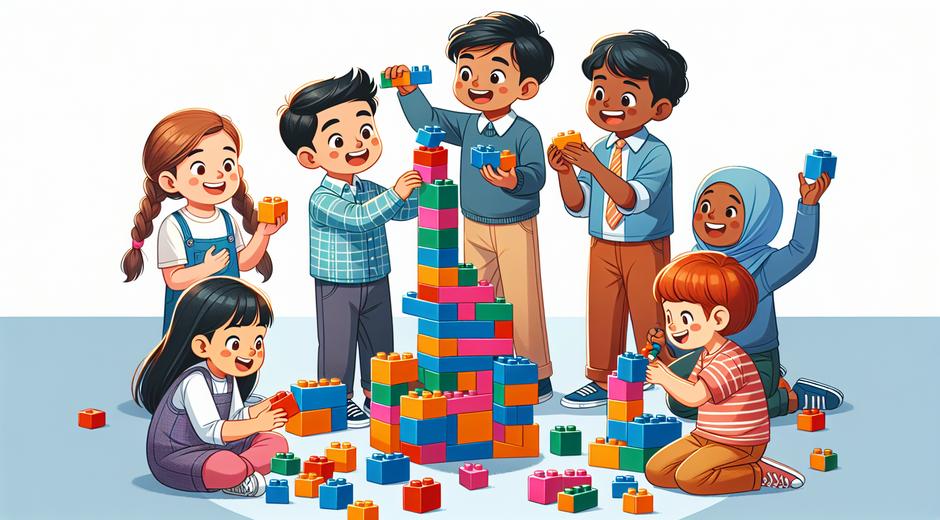
- Shared building challenges where teams create a single large structure
- Storytelling circles where each child adds a sentence
- Role play scenes such as running a pretend shop or caring for a pet
- Group art where every child contributes to one mural
- Simple science projects that require passing tools and recording observations
These activities require children to plan delegate tasks and discuss outcomes. As they try again and again they build confidence in their ability to work with others.
How Adults Should Support Without Taking Over
Adults play a critical role by setting up opportunities stepping in when needed and stepping back to allow children to resolve small issues. Use gentle prompts to help children articulate their needs and to brainstorm solutions. Ask open ended questions such as What could we do next or How might we share this so everyone gets a turn. Avoid solving every conflict for them. When adults intervene only to guide children through their own choices children learn negotiation and resilience.
Handling Conflict During Cooperative Play
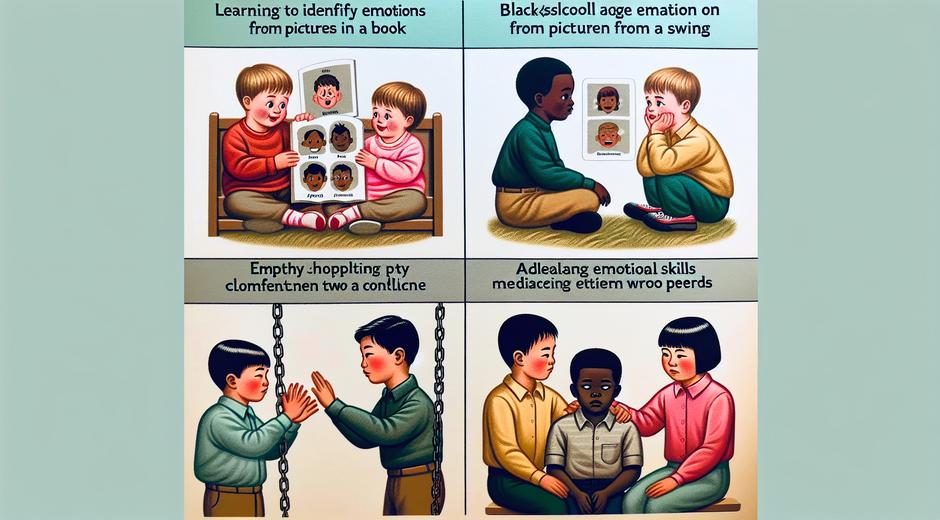
Conflict is a natural part of cooperative play and an opportunity for teaching. Teach children simple phrases they can use to express feelings and requests. Encourage them to name the problem and propose a solution. If tempers flare separate the children briefly then return to the issue with calm language. Reinforce two things in every resolution empathy for the other person and a clear plan to avoid the same issue again. Over time this process helps children internalize effective conflict management skills.
Including Children with Different Abilities
Cooperative play should be welcoming for all children. Adapt activities to the abilities of each child by assigning roles that match skills and by using visual schedules or simple cues when needed. Small gestures such as demonstrating a task giving a role that offers success and allowing extra time for turn taking can make a big difference. When children learn to include peers with different abilities they develop stronger empathy and more flexible thinking.
Balancing Cooperative Play and Independent Play
While cooperative play is important it is not a replacement for solitary or parallel play. Independent play helps a child develop concentration creativity and self regulation. Aim for a balance where children have opportunities for both types of play across a single day or week. A mix of independent exploration and shared projects gives children a rounded experience that supports social learning and personal growth.
Cooperative Play in the Digital Age
Technology can support cooperative play when used intentionally. Choose apps and games that require joint planning or shared goals rather than isolated screen time. Look for multiplayer options that encourage communication and role sharing. Also set clear limits on screen time and follow up digital sessions with real life cooperative activities so children can practice skills in face to face settings.
Signs of Progress to Watch For
As children engage in cooperative play over time you will see subtle shifts. They will propose ideas rather than wait to be told. They will take on roles and stay in them for longer. They will manage disagreements with fewer tears and get creative when a plan is not working. These milestones indicate growing social competence and offer a roadmap for supportive parenting interventions.
Resources and Next Steps for Parents
For parents who want practical routines to encourage cooperative play consider creating a weekly play plan that includes mixed group activities quiet solo time and a family cooperative task such as cooking or gardening. Connect with other families for play dates and rotate homes so children gain experience with new peers and spaces. For broader lifestyle tips and resources visit our home at coolparentingtips.com where you will find articles and activity ideas to build strong social skills through play. For curated product suggestions and creative gear that help support group play you might also explore curated lists at StyleRadarPoint.com which offers ideas for choosing toys that invite collaboration.
Final Thoughts
Cooperative play is more than a way to fill time. It is a classroom for life skills empathy and problem solving. By arranging supportive environments modeling cooperative behavior and giving children room to practice parents can turn everyday play into powerful learning. Start small be consistent and celebrate moments of teamwork and you will see children grow into confident social learners who enjoy working with others.