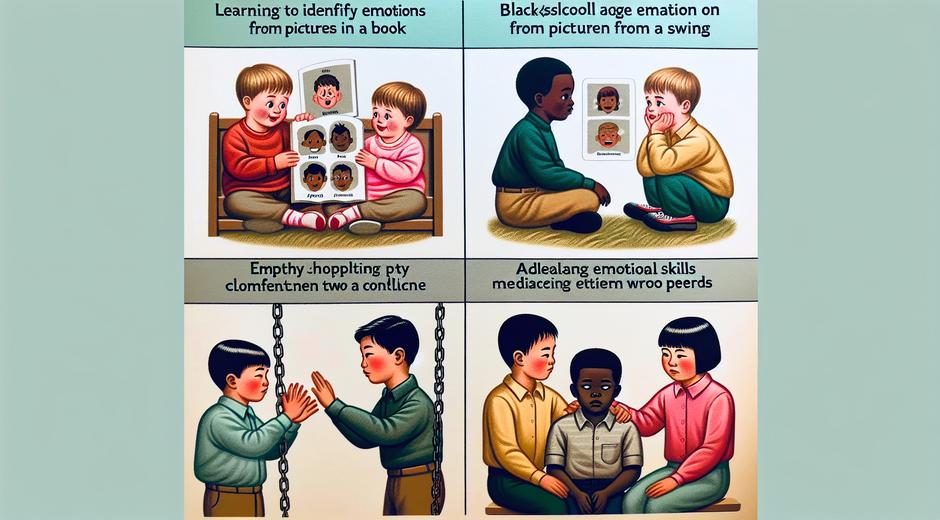


Emotional Literacy A Parent Guide to Raising Resilient Children
Emotional Literacy is a core skill set that helps children understand name and manage emotions with confidence. For parents who want practical strategies that build empathy and resilience this guide offers evidence based steps you can use at home. Emotional Literacy is not a fixed trait. It grows through daily moments of connection practice and reflection. For more ideas that fit into busy family life visit coolparentingtips.com where we share approachable tips for every stage.
What Emotional Literacy Really Means
Emotional Literacy is the ability to recognize name and express emotions in healthy ways. It includes emotion vocabulary the skill to read body cues and the capacity to regulate feelings when they are strong. Emotion recognition allows a child to know they are sad or frustrated instead of acting out without understanding why. When a child can label feelings they can ask for help make choices and solve problems more effectively.
This skill also includes understanding how other people feel and responding with care. That adds empathy which supports friendships classroom success and family harmony. Emotional Literacy is a foundation for social skills academic focus and long term mental health.
Why Emotional Literacy Matters for Children
Children who develop Emotional Literacy tend to experience less anxiety and fewer behavior struggles at school. They can focus on tasks collaborate with peers and seek support when needed. Emotionally literate children are better at forming stable friendships and showing compassion.
For parents Emotional Literacy reduces daily conflict because feelings get named and addressed before they turn into power struggles. Teaching these skills early saves energy and builds a home culture where feelings are respected and processed. Over time this contributes to better academic performance and stronger self direction.
Key Components to Teach
1. Emotion vocabulary Teach words for basic feelings such as happy sad angry worried excited and bored. Gradually add more subtle labels such as disappointed relieved or overwhelmed.
2. Body cues Help children notice physical signs that come with emotions. Racing heart sweaty palms tight jaw or a lump in the throat can indicate strong feeling. Name these cues together.
3. Expression Teach safe ways to express feelings. Use words drawing or movement instead of aggression. Practice phrases your child can use like I feel upset because or I need a break.
4. Regulation Teach simple tools to calm down. Breathing exercises counting techniques or stepping away for a quiet moment work well for younger children. Older children can learn grounding or visualization.
5. Perspective Taking Practice seeing a situation from another person point of view. Ask questions like how would you feel if that happened to you. This builds empathy and reduces conflict.
Age Specific Strategies
Preschool Children
– Use picture cards with faces and story time to point out feelings in characters. Create emotion jars with colored tokens that match emotion words.
– During routine moments ask questions like how does teddy feel and why to make naming feelings playful and low pressure.
School Age Children
– Encourage journaling or drawing about the day. This helps with reflection and deeper vocabulary.
– Role play common social situations and model calm responses. Praise attempts to use words to handle conflict.
Teenagers
– Validate feelings even when they seem dramatic. Adolescents need space plus structured support.
– Teach problem solving steps and encourage use of coping moves like physical activity creative projects or time with a trusted friend.
Simple Daily Practices That Work
1. Check in two times a day Use a morning and evening routine to ask what emotion your child is carrying and why. Keep the questions open ended and listen more than advise.
2. Model naming your own feeling Out loud say I am feeling frustrated because and show how you cope. Children learn faster from watching than from lectures.
3. Use stories and media Pause a movie or book to ask what a character might be feeling and why. This builds reading of social cues.
4. Create a calm corner Stock a small space with soft items headphones for music and a feelings chart. Use it as a place to practice regulation not as punishment.
5. Praise the process Notice attempts to name or handle emotions and celebrate them. This reinforces learning even when the child still struggles.
Language Parents Can Use
Use short validating phrases and avoid quick fixes. Examples include
– I see that you are feeling angry right now
– That seems really hard I am here to help
– Tell me what happened so I can understand
Avoid statements that dismiss feelings or compare them to others. When a child hears your acceptance they feel safe to explore solutions.
Common Mistakes to Avoid
1. Minimizing feelings Saying it is nothing or stop crying can shut down communication. Instead accept the feeling and name it.
2. Solving too quickly Resist jumping to solutions before your child feels heard. Listening first often makes problem solving more effective.
3. Using shame or punishment for emotional outbursts This links emotion to fear and can limit future sharing.
4. Expecting perfection Emotional skills develop with time and practice. Mistakes are part of learning.
How to Measure Progress
Progress can be subtle and slow. Watch for these signs
– Your child uses feeling words more often
– They request support before an outburst
– They try a coping strategy you practiced together
– Peer relationships show more stability
Keep a simple log of situations where your child applied a skill. Celebrate small wins and review where extra practice helps.
When to Seek Extra Help
Some children need more support than home practice can provide. Consider professional guidance when
– Emotions regularly impair daily functioning at school or home
– There are sudden changes in mood or behavior
– Anxiety or fear prevents normal activity
A clinician with experience in child development can offer targeted tools and family coaching. For tools and guided programs that help build focus emotional skills consider exploring resources at FocusMindFlow.com which offer structured practices for families.
Integrating Emotional Literacy into Family Life
Make emotional skill building part of everyday routines not a special lesson. At meal time ask each family member to share one emotion from their day. Turn car rides into check in sessions. Use family meetings to plan how to handle stressful events and to rehearse calm down strategies.
Keep expectations realistic. Busy families benefit from short consistent practices rather than long rare sessions. A two minute check in practiced daily builds more than a long conversation once a week.
Role of Schools and Caregivers
Partnering with teachers and caregivers magnifies results. Share the vocabulary and strategies you use at home so children get consistent messages. Schools often welcome simple tools parents provide such as emotion charts or a short note explaining a regulation routine. Consistent practice across settings helps the child generalize skills.
Final Thoughts and Next Steps
Emotional Literacy is a gift that keeps giving. When parents invest in teaching feelings children gain tools that support relationships learning and mental health for life. Begin with small steps and practice them daily. Name feelings model calm coping and celebrate progress.
If you want ongoing tips activities and printable tools to support your family please check our site for fresh ideas and simple routines at coolparentingtips.com. Start today with one short practice and watch how connection and confidence grow.