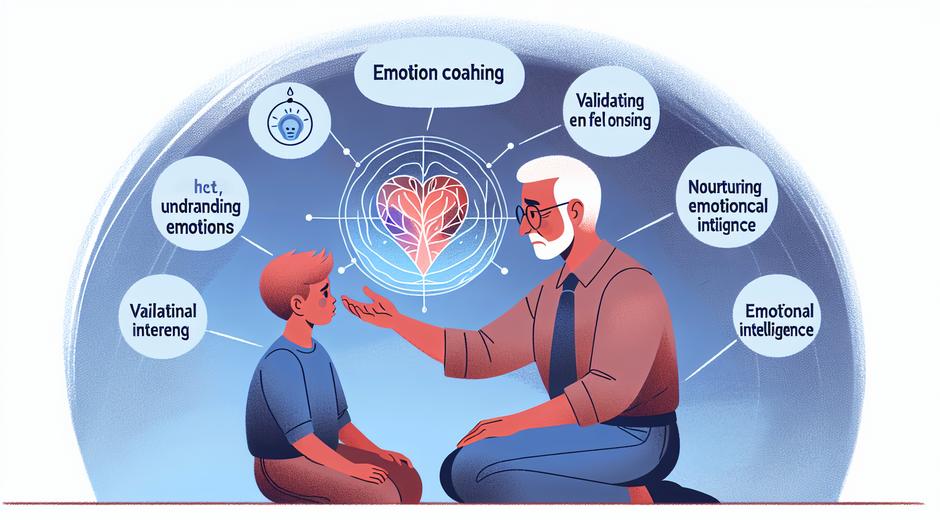


Emotion Coaching for Parents How to Raise Emotionally Smart Children
What Emotion Coaching Means
Emotion Coaching is a parenting approach that helps children learn to understand and manage their feelings. It is a gentle method that turns emotional moments into learning moments. Instead of ignoring feelings or punishing emotional expression parents use guided conversation and calm support. This supports healthy self regulation and stronger parent child connection.
Why Emotion Coaching Matters
Children who receive Emotion Coaching tend to develop better social skills higher resilience and improved mental health. When parents name emotions and validate feelings children learn a vocabulary for what they experience. That vocabulary becomes a tool for solving conflicts for calming down and for forming positive relationships. In classrooms and in peer groups emotionally aware children handle stress with greater ease. For families Emotion Coaching reduces power struggles and creates a more peaceful home.
Five Practical Steps of Emotion Coaching
-
Notice the feeling
Pay attention to changes in posture tone of voice and facial expression. Notice early signs of frustration fear sadness or anger. Early notice gives you a chance to guide the child before the emotion intensifies.
-
Connect with empathy
Get close make eye contact and offer soothing words. Use phrases that show you are on the child side such as I see you are upset or That looks hard. Empathy builds trust and opens the door to conversation.
-
Label the emotion
Help the child name what they feel. Use simple labels like mad sad scared or disappointed. Naming feelings helps the child separate the experience from identity and reduces overwhelming intensity.
-
Set limits while accepting feelings
It is important to acknowledge feelings without allowing unsafe behavior. For example you can say It is okay to be angry but not to hit. This keeps boundaries clear while validating emotion.
-
Problem solve together
Once the child calms brainstorm ways to handle the situation next time. Ask What could we do differently or How can we make this better. Involving the child builds agency and teaches planning skills.
How to Use Emotion Coaching with Different Ages
Toddlers need short simple labels and a calm presence. Preschoolers respond well to basic emotion stories and role play. School age children can handle more conversation about why feelings happen and how thoughts affect mood. Adolescents often need a balance of empathy and respect for independence. In each stage keep your tone steady and your listening deep. The core steps remain the same adjust only the language and the level of problem solving you expect.
Common Mistakes to Avoid
- Avoid dismissing feelings with phrases like You are fine or Stop crying. Such responses teach children to hide emotions rather than process them.
- Avoid excessive rescue. Fixing every problem prevents children from building coping skills and confidence.
- Avoid lecturing during high emotion. Long talks are less effective in the moment. Use short statements and follow up later with deeper discussion.
Simple Scripts Parents Can Use
When a child is upset try these short supportive lines. I see you are feeling mad. That must be hard. I am here with you. Or You look sad do you want to tell me about it? For older children try I notice you have been more withdrawn lately Would you like to talk about what is going on? Small consistent scripts help create safety and predictability.
Daily Routines That Build Emotional Skills
Emotion Coaching works best when it is a steady habit not a one time intervention. Add brief practices to daily life such as a feelings check in at dinner reading books that explore emotions and practicing calming techniques together. Model healthy emotion habits. When you share how you cope with stress you teach by example. Children learn more from what you do than from what you say.
Benefits for Family Life and School Success
Emotion Coaching strengthens family bonds and increases cooperation. Children who can express their feelings clearly get fewer teacher referrals and have smoother peer relationships. Over time Emotion Coaching can reduce anxiety and outbursts and build a foundation for lifelong emotional intelligence. These gains show up at home at school and in future adult relationships.
How to Get Support and Learn More
If you want practical guides and regular tips on implementing Emotion Coaching visit our main resource page at coolparentingtips.com where you will find articles quick scripts and activity ideas for children of all ages. Engaging with a community of parents and professionals can speed learning and provide fresh perspectives.
Training and Further Reading
Some parents benefit from formal courses or workshops to build confidence with Emotion Coaching techniques. For professional development resources and discussion of evidence based practices consider visiting BusinessForumHub.com which offers curated articles and links to training options. Local family centers and school counselors can also recommend practical workshops.
Measuring Progress and Staying Patient
Progress in Emotion Coaching is steady not instant. Track small wins such as fewer tantrums more candid conversations or improved calm down skills. Celebrate those wins and reflect on moments that did not go well. Use every challenge as a chance to refine your approach. Consistency patience and warmth are the keys that turn Emotion Coaching from a technique into a family culture.
Final Practical Tips
Start small and be realistic. Pick one routine such as a daily feelings check in or a calm down corner and practice it for a month. Use simple language and keep expectations age appropriate. If you slip apologize and restart. Showing your child that emotions are normal and manageable is one of the greatest gifts you can give. Emotion Coaching does more than prevent outbursts it builds empathy resilience and lifelong emotional skill.
Putting these steps into practice will help your child feel seen understood and equipped to handle life with confidence. The effort you invest now will pay dividends in your child social school and family life for years to come.