

Social Skills A Parent Guide to Raising Confident Communicators
Social Skills are the building blocks children use to connect with others feel understood and succeed in school and life. As a parent you can help your child develop strong Social Skills through simple daily routines thoughtful modeling and playful practice. This guide covers why Social Skills matter how they develop and practical steps you can take at home and in the community to support lasting growth.
Why Social Skills Matter
Social Skills include the ability to start and keep conversations read nonverbal cues cooperate with peers regulate emotions and solve conflicts. Children who develop Social Skills early tend to have better academic outcomes stronger friendships and higher self esteem. Employers also value Social Skills because collaboration and clear communication are essential in adult life. Investing time in Social Skills development now pays off throughout childhood and into adulthood.
How Social Skills Develop Over Time
Social Skills emerge gradually from infancy through adolescence. Babies begin with eye contact smiling and turn taking during interactions. Toddlers practice sharing taking turns and using words to express needs. School age children refine perspective taking empathy and problem solving. Teenagers build independence navigate complex peer groups and learn how to manage deeper relationships. Knowing typical milestones helps you set realistic expectations and provide the right level of support.
Core Social Skills to Teach
Focus on core skills that are useful across settings. Practice each skill in short consistent sessions and look for opportunities in daily life.
– Greeting people with eye contact a smile and a clear hello
– Listening without interrupting and asking follow up questions
– Using names when speaking and remembering details about others
– Sharing toys ideas and attention in group settings
– Managing emotions with words calming strategies and time outs when needed
– Reading facial expressions body language and tone of voice
– Apologizing and making amends when mistakes happen
– Solving conflicts by describing feelings brainstorming solutions and picking one to try
Everyday Strategies to Build Social Skills
You do not need a formal lesson plan to help your child learn Social Skills. Small adjustments in daily routines create frequent low pressure practice moments.
Model the behavior you want to see Use polite language show empathy and handle conflicts calmly when your child is watching. Children learn a great deal by copying real life examples.
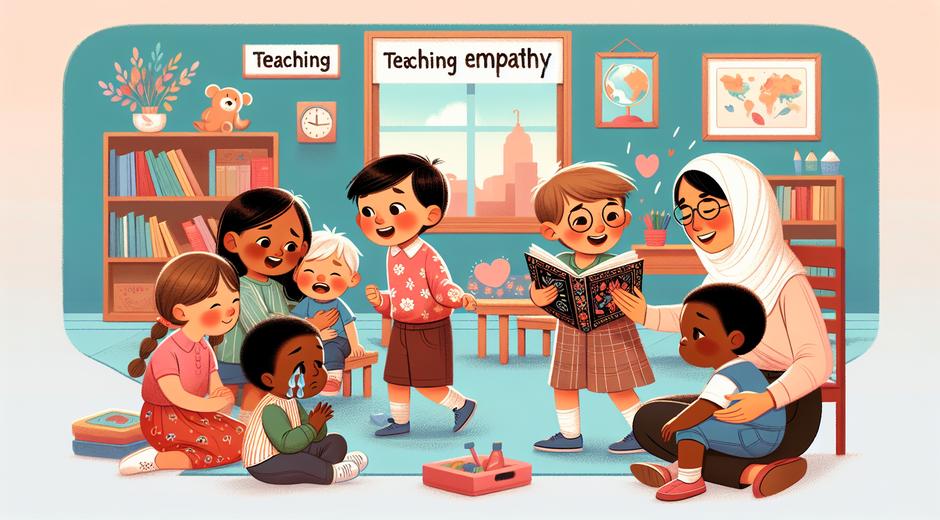
Narrate social interactions aloud For young children say what you are doing and why For example I see Mrs Lopez She looks sad I will ask if she is okay. This teaches empathy and attention to emotion.
Role play common situations Practice starting conversations asking to join a game returning an item and saying no respectfully. Role play lets children try different responses without real world pressure.
Create small group play dates Small groups reduce overwhelm and give your child a chance to practice turn taking and sharing with fewer distractions.
Use books and TV moments Pause to ask What would you do next Why does she feel that way This encourages perspective taking and verbalizing emotions.
Teach calming techniques Deep breathing counting to ten and stepping away for a minute are simple tools you can practice together so they are ready when big feelings arise.
Praise progress specifically Say I liked how you waited your turn and your friend noticed that rather than general praise. Specific praise reinforces the exact behavior you want to encourage.
Games and Activities to Encourage Social Skills
Interactive play can make Social Skills training fun and memorable.
– Emotion charades Have players pick cards with feelings and act them out while others guess
– Story building Take turns adding a sentence to build a story This supports listening imagination and cooperation
– Board games that require turn taking and strategy Teach winning and losing gracefully and managing disappointment
– Community helper play Create scenarios where one child is a doctor teacher or librarian and others role play patients students or readers
– Cooperative art projects Work together on a mural where each child adds a piece so the result depends on collaboration
School and Social Skills
Teachers and school staff play a vital role in Social Skill development. Communicate with teachers about your child strengths and areas to build. Many schools offer programs that include peer mediation social groups and social skills lessons. Encouraging participation in clubs teams or after school activities provides natural contexts to practice new skills and expand social networks.
Screen Time and Social Skill Balance
Screens can support Social Skills when used intentionally but can also displace face to face practice. Choose shows and apps that model strong social interactions and watch together to discuss character feelings and choices. Set limits and prioritize real world play dates family meals and group activities so your child gets ample practice interacting live.
When to Seek Extra Support
Most children make steady progress with consistent support. Consider professional help if your child:
– Has persistent trouble making friends or is frequently bullied
– Avoids or freezes in social situations and shows intense anxiety
– Struggles to understand basic social cues such as eye contact facial expressions or tone of voice
– Shows delayed speech or language skills that interfere with social interaction
A pediatrician school counselor speech language therapist or child psychologist can assess Social Skills and recommend targeted interventions and therapies.
Using Community Resources
Many communities offer social skills groups camps and classes designed for different ages and needs. Libraries schools community centers and local parenting networks often host events that add structure and practice opportunities. For trusted resources and parenting ideas visit coolparentingtips.com where you will find articles and tips focused on healthy child development and family routines.
For families balancing schedules and transportation check services that help parents manage logistics so children can attend social programs regularly. A reliable car care resource can keep your family mobile and on time for important events and activities. Learn more at AutoShiftWise.com for practical tips to maintain your vehicle and plan safe routes to school and activities.
Practical Daily Routines to Reinforce Social Skills
Consistency beats intensity. Small daily rituals provide steady practice time.
– Family meals Discuss the day take turns sharing one good thing and one challenge
– Morning check ins Ask How are you feeling today and teach simple emotion words
– Chore teamwork Assign tasks that require cooperation like setting the table and collecting recyclables
– Bedtime reflection Talk about a social success from the day and one thing to try tomorrow
These routines build language for feelings strengthen listening skills and create a predictable space to practice new behaviors.
Measuring Progress and Staying Patient
Social Skill growth is often gradual and uneven. Keep a journal of milestones such as initiating play asking a question or resolving a dispute. Celebrate small wins and focus on progress rather than perfection. If you notice setbacks remember that transitions stress and changes in routine can temporarily reduce social confidence. Maintain encouragement and steady practice.
Final Thoughts
Social Skills are essential for academic and lifelong success but they are also a source of joy connection and identity. Parents can nurture Social Skills through modeling intentional practice and creating supportive environments that encourage empathy cooperation and communication. With patience and consistent effort your child will gain the tools needed to form meaningful relationships navigate challenges and thrive socially.
For a steady stream of parenting tips strategies and practical ideas to help your child build Social Skills visit the resource link above and check back regularly for new content and community suggestions.