

Sibling Harmony: Practical Parenting Tips to Build Lifelong Bonds
Sibling Harmony is a goal many parents want but few understand how to create in daily family life. When brothers and sisters share respect care and joy they develop social skills emotional stability and a sense of belonging that lasts a lifetime. This article explains why Sibling Harmony matters common triggers of conflict and concrete steps parents can take to nurture peaceful relationships between children.
Why Sibling Harmony Matters
Healthy connections between siblings shape how children view relationships outside the home. Sibling Harmony supports emotional regulation empathy and problem solving. Children who learn to negotiate and support each other at home tend to have stronger friendships and better coping skills at school. Investing in Sibling Harmony is an investment in your child lifelong wellbeing.
Common Challenges That Disrupt Harmony
Understanding the typical sources of sibling tension helps parents respond in ways that lead to learning rather than escalation. Common triggers include competition for attention perception of fairness conflicts over toys or space differences in temperament and unmet emotional needs. Life transitions such as a new school move or family change can increase stress and make old patterns more likely to resurface.
Establishing a Foundation for Sibling Harmony
Start with routines and expectations that promote predictability and security. Clear simple rules about respect sharing and personal boundaries reduce daily friction. When children know what to expect they are less likely to act out. Create family rituals such as shared meals story time or weekend projects that give siblings positive shared experiences. These rituals build connection and a sense of family identity.
Model the behavior you want to see. Children learn social skills by watching adults. Show calm conflict resolution honest admission of mistakes and genuine apologies. When parents correct their own errors in front of children they teach that repair is possible without shame.
Practical Strategies Parents Can Use Right Now
Use these actionable strategies to promote Sibling Harmony in everyday moments.
1. Teach communication skills. Practice using feelings words and turn taking in conversations. Encourage children to say I feel upset when you take my toy instead of accusing language that escalates conflict.
2. Use problem solving steps. Guide children through identifying the problem brainstorming solutions choosing one to try and evaluating how it worked. This process builds autonomy and reduces parental burden.
3. Set up shared responsibilities. Age appropriate chores create teamwork and reduce competition for attention. Assign tasks that require cooperation such as setting a table together or caring for a pet.
4. Protect one on one time. Regular individual attention from a parent reduces jealousy and reassures each child of their unique value. Short daily rituals such as a five minute chat before bedtime can make a big difference.
5. Celebrate differences. Teach children to appreciate that each sibling has strengths and challenges. Celebrate unique talents and avoid constant comparison.
Designing Fair Systems That Encourage Cooperation
Fairness is not always equality. Younger children need more help and older children need more responsibility. Explain why tasks are assigned in certain ways and rotate privileges when possible so each child has moments of leadership. Use charts or simple visual systems to track turns and rewards. Reward cooperative behavior rather than only punishing conflict.
When conflicts arise focus on teaching rather than punishment. Ask questions that help children reflect on what happened and how they can fix it. For example ask What happened How did it make you feel and What can you do next time to avoid this problem. This approach turns mistakes into growth opportunities.
Encouraging Positive Interactions Through Play
Play is the primary way children learn social rules. Create play experiences that require cooperation and shared goals. Team games creative building projects and imaginative play foster collaboration. Offer toys and materials that invite joint attention rather than items that are easily guarded by one child.
When buying toys choose options that spark shared creativity. If you want more ideas for thoughtful toys that support cooperation consider ethical and eco friendly options from Ecoglobalo.com which can encourage joint play while teaching responsibility for the planet. Choosing gifts that encourage group fun reduces rivalry over exclusive items.
Teaching Emotional Skills for Sibling Harmony
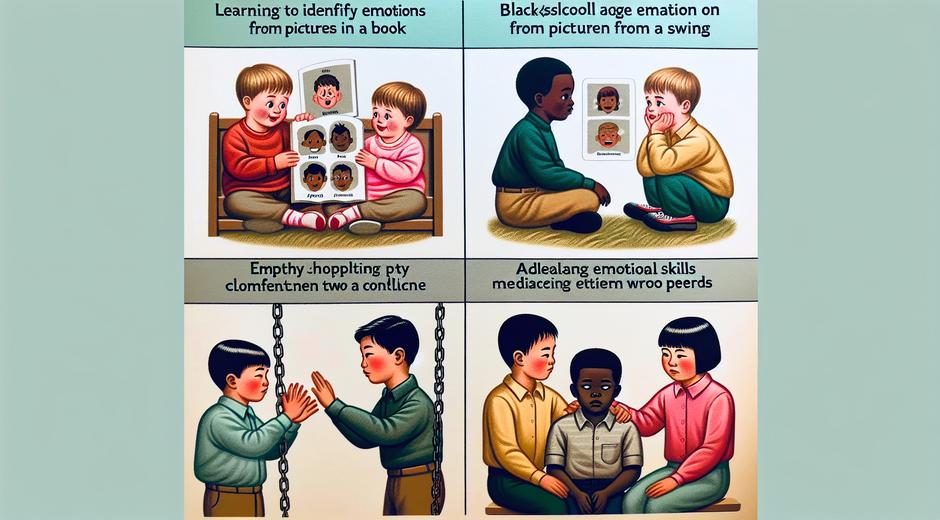
Emotional literacy is a cornerstone of Sibling Harmony. Help children name feelings practice calming techniques and recognize when a sibling needs space. Simple practices like deep breathing counting to ten or using a calm corner to pause can help kids manage intense feelings without an adult stepping in every time.
Role play common scenarios with your children. Practice how to ask for help share a special item or respond when someone breaks a rule. Repeated low stakes practice builds confidence and reduces anxiety in real moments of conflict.
When to Seek Outside Help
Most sibling conflict is normal and manageable with consistent parenting. However persistent hostility frequent physical aggression refusal to engage or patterns of exclusion may require support from a professional. A pediatric therapist family counselor or parenting coach can offer strategies tailored to your family unique dynamics.
If you need a broad range of parenting resources visit coolparentingtips.com to find guides worksheets and expert advice that can help you build strong family routines and improve Sibling Harmony over time. Early intervention prevents patterns from becoming entrenched and creates opportunities for repair and growth.
Long Term Benefits of Strong Sibling Relationships
Children who grow up with positive sibling relationships often enjoy lifelong friendships built on trust and mutual history. Sibling Harmony contributes to resilience better stress management and a stronger sense of identity. Parents who prioritize family connection help children develop skills that matter for academic success career relationships and mental health.
Conclusion
Creating Sibling Harmony takes intention practice and patience. Focus on teaching emotional skills modeling respectful behavior and creating opportunities for shared success. Use consistent routines fair systems and one on one attention to reduce rivalry. When needed seek outside support and use trusted resources to refine your approach. With time and steady effort families can transform daily conflict into moments of learning connection and lasting love.