

Skill Building for Kids and Parents: A Practical Guide
Skill Building is a lifelong process that starts early and evolves with purpose. Parents who focus on intentional learning can help children develop abilities that matter for school success social interaction and emotional health. This article explains proven strategies for Skill Building at home and in the community. It gives clear examples for daily routines games and conversations that boost learning and confidence. For extra resources and ideas visit coolparentingtips.com to explore related tips and articles.
Why Skill Building Matters
When parents prioritize Skill Building they help children become adaptable creative and resilient. Skills such as attention control problem solving communication and self regulation support academic work and friendships. Early support creates a strong base so teens and adults can learn new skills faster and manage stress in healthy ways. Rather than focusing only on test scores parents can guide children toward habits that make learning easier over a lifetime.
Core Areas to Target
Effective Skill Building covers several key areas. Aim to practice each area through short daily activities so learning becomes routine.
1. Cognitive skills: Play memory games ask open ended questions and solve puzzles together. These activities strengthen attention working memory and reasoning.
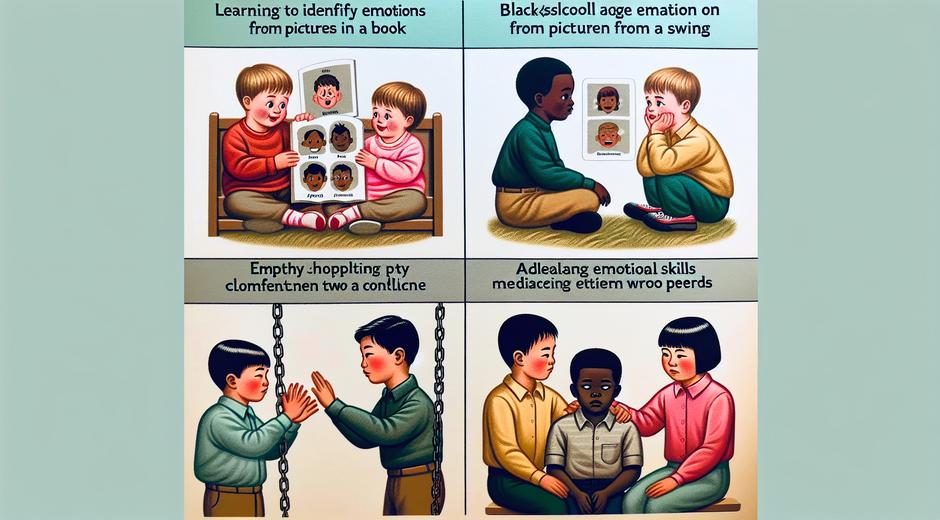
2. Social skills: Role play turn taking and conversation practice build empathy and listening skills. Discuss emotions and name feelings to increase emotional literacy.
3. Motor skills: Fine motor games like bead threading or cutting with safety scissors help handwriting and hand eye coordination. Gross motor play like climbing and running improves balance and endurance.
4. Creative skills: Drawing making up stories and imaginative play boost flexible thinking and confidence in novel situations.
5. Life skills: Teach basic chores cooking money management and time planning to promote independence and planning ability.
Daily Routines That Promote Learning
Small habits yield big gains. Incorporate tiny Skill Building moments into routines so practice feels natural. Mornings can include a five minute planning chat about the day. After school try a short reflection where each family member names one success and one challenge. Before bed read together and ask questions that probe comprehension and prediction. These rituals create frequent chances to practice language planning and self awareness.
Use Play to Teach Skills
Play is the most powerful form of learning for young children and it still matters for older ones. Games teach rules cooperation and problem solving. Board games and cooperative games are especially useful for teaching turn taking strategy and graceful handling of frustration. Outdoor play challenges physical skills and offers new sensory learning. For digital play choose apps and games that reward creative thinking and persistence rather than only fast reactions. If you want curated lists of age appropriate digital options see GamingNewsHead.com for recent reviews and ideas.
How to Set Smart Goals for Skill Building
Set clear realistic goals that match a child s current ability. Use simple steps so progress is visible and motivating. For example instead of a vague goal like get better at reading try read one short book per week and discuss the main idea. Track progress with a chart or a journal and celebrate small wins. Short cycles of practice and feedback help children understand that effort leads to real growth.
Feedback That Builds Motivation
Praise effort and specific strategies rather than talent. Comments such as You worked through each step even when it was hard or I like how you explained your idea show that process matters. When children face setbacks encourage a problem solving approach. Ask What could we try next time and Who can we ask for help. This turns mistakes into learning opportunities and promotes persistence.
Scaffolding Skills With Supportive Guidance
Scaffolding means giving just enough help that a child can succeed and then gradually reducing support. Start by modeling a task then guide practice and finally let the child try independently. For example teach planning by making a list together talk through each step and then ask the child to plan a similar task alone. This approach builds competence and confidence without taking over the task.
Use Real World Tasks for Meaningful Practice
Everyday life offers rich chances for Skill Building. Cooking together teaches following directions measurement and sequencing. Shopping trips involve budgeting comparing prices and communication. Gardening teaches patience observation and scientific thinking. When practice connects to real outcomes children see the value of new abilities and stay motivated.
Make Learning Social and Collaborative
Group activities teach negotiation leadership and perspective taking. Arrange play dates project work or family challenges that require cooperation. Older children can help younger siblings which reinforces skills for both. Community programs clubs and volunteer opportunities provide chances to practice skills in new settings and build social networks.
Balance Challenge With Safety
Good Skill Building requires a balance. Tasks should be demanding enough to push growth but not so hard that the child feels defeated. Monitor stress signs and step in to offer support or a break. Celebrate resilience and the willingness to try again. This mentality helps children learn to regulate emotions and sustain effort.
Monitor Progress and Adjust
Keep a practical record of what works and what does not. Short notes about successful activities or repeated struggles help you refine practice. If progress stalls try new methods such as breaking a task into smaller steps using visual supports or changing the practice context. Flexibility keeps Skill Building fresh and effective.
Encourage a Growth Mindset
Teach children that skills develop with practice and time. Share stories of people who improved through effort and explain the brain s ability to change. When children believe their actions matter they are more likely to choose challenging tasks and persist through difficulty. Model this belief by describing your own learning efforts and how you handle setbacks.
Support for Busy Families
Time pressures are real so focus on small high impact actions. Use five to ten minute pockets of time for targeted Skill Building. Turn routines into practice opportunities and rotate activities across the week to cover different skill areas. Involve caregivers and extended family so practice happens in many settings and becomes part of daily life.
Final Thoughts on Skill Building
Skill Building is practical enjoyable and powerful when it becomes part of family life. Use daily routines play goals feedback and real tasks to shape abilities that matter most. Keep goals clear track progress and celebrate growth to sustain motivation. With intentional practice children develop the tools they need for school work relationships and future challenges. Start small remain consistent and build a supportive environment where learning feels safe and exciting.
If you want more ideas and tools to support active learning and family routines visit our main site for updated articles and tips to help your family thrive.